 0
0
 0
0
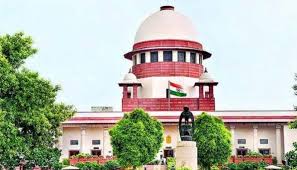
On September 1, 2025, the Supreme Court of India heard a public interest litigation (PIL) filed by a group of NEET-PG 2025 aspirants challenging the National Board of Examinations in Medical Sciences’ (NBEMS) new answer key disclosure policy. Citing a lack of transparency and fairness in the new Question ID-only system, candidates argue that it prevents meaningful verification of their results in this high-stakes national postgraduate medical entrance exam.
Key Findings and Recent Developments
The controversy intensified after NBEMS, following a corrective notice issued on August 21, shifted to publishing answer keys and candidate responses only in the form of “Question ID Numbers” tied to a master paper set, rather than providing the exact questions and options each candidate received.
-
Petitioner Concerns: Candidates assert that the scrambled order of questions and options in the exam software makes it impossible to map the official answer key to their specific test versions, frustrating efforts to cross-check responses and file objections if errors are suspected.
-
Student Outcry: Medical aspirants have taken to social media—on platforms such as X (formerly Twitter), Instagram, and Telegram—voicing concerns that the new system is “confusing, unclear, and not transparent,” with many reporting anxiety and mistrust in the evaluation process.
-
Legal Basis: The PIL, filed by advocate Satyam Singh on behalf of the affected aspirants, does not seek re-evaluation but calls for candidate-wise disclosure of questions, marked responses, correct answers, and awarded marks, arguing that the system currently violates Articles 14 and 21 of the Constitution by denying a fair admission process.
Expert Perspectives and Commentary
Medical Professionals Speak Out
Several medical educators and professionals not involved in the case have commented on the need for transparency.
-
Dr. Vinod Bagra, Medical Educator: “Releasing only question IDs, rather than actual questions, leaves aspirants with no practical way to verify their marks. Transparent disclosure is critical, particularly when a candidate’s professional future may hinge on a single mark”.
-
Advocacy Groups: Student advocacy groups note that other national-level entrance exams—like IIT-JEE, CLAT, and AIIMS INI-CET—already practice more transparent, candidate-wise response disclosures, setting a precedent for NEET-PG reform.
Context and Background Information
Evolution of the NEET-PG Answer Key Policy
-
Historical Lack of Access: Until recently, NEET-PG candidates had no access to answer keys or detailed raw scores, fueling public suspicion and legal challenges about the fairness of the normalization process in this multi-shift exam.
-
Supreme Court Directive: In April 2025, the Supreme Court mandated NBEMS to enhance transparency by releasing official answer keys, raw scores, and normalization formulas for the first time. Despite this, candidates complain the implementation has been superficial, as the answer key alone lacks context without the corresponding questions.
-
Counseling Consequences: With postgraduate counseling and seat allotment on tight schedules, students worry that unresolved disputes could delay admissions and exacerbate already intense mental stress among medical graduates.
Implications for Public Health and the Medical Education System
Trust and Fairness in High-Stakes Exams
-
Impact on Candidates: NEET-PG is a gateway to all postgraduate medical training in India, so even isolated errors or opacity in result verification risk undermining the perceived integrity of the entire process.
-
Public Health Concerns: Transparency and trust in medical selection systems are essential for ensuring the quality and diversity of future healthcare professionals in India.
Practical Takeaways for Aspirants
-
Scorecard Access: Despite the controversy, qualified candidates can presently access and download their scorecards to proceed with the counseling process while keeping abreast of court proceedings for any potential changes.
-
Advice: Aspirants are encouraged to document all communication, retain their own recall records of the exam, and follow updates from medical associations and NBEMS on further steps.
Potential Limitations and Counterarguments
-
NBEMS Perspective: The exam authority maintains that Question ID-based disclosure complies with software limitations and is intended to standardize a multi-version, secure exam.
-
Security vs. Transparency: Administrators argue that disclosing individual question sets may create risks related to item leakage and misconduct in future exam cycles. However, student groups counter that proper controls and digital disclosures, as seen in other national exams, address these risks without sacrificing transparency.
-
Judicial Resolution Pending: The Supreme Court is assessing the balance between examination security, logistical feasibility, and candidates’ rights to transparent evaluation. Final decisions and any policy shifts remain under judicial consideration.
Medical Disclaimer
Medical Disclaimer: This article is for informational purposes only and should not be considered medical advice. Always consult with qualified healthcare professionals before making any health-related decisions or changes to your treatment plan. The information presented here is based on current research and expert opinions, which may evolve as new evidence emerges.
References
-
EdexLive. “NEET-PG 2025: PIL against ‘unintelligible’ answer key heard by SC.” September 1, 2025. https://www.edexlive.com/news/2025/Sep/01/neet-pg-2025-pil-against-unintelligible-answer-key-heard-by-sc