 0
0
 0
0
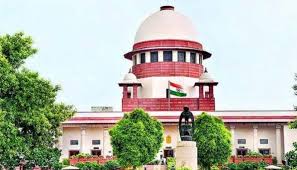
On September 11, 2025, the Supreme Court of India postponed hearing a cluster of petitions demanding a more transparent evaluation of the National Eligibility-cum-Entrance Test for Postgraduates (NEET PG) until September 23, 2025. Petitioners, representing thousands of medical graduates, have challenged the National Board of Examinations in Medical Sciences’ (NBEMS) revised answer key disclosure policy. They argue the policy falls short of international best practices and adds to candidate distress at a pivotal career juncture.
Key Developments and Core Issues
At the heart of these petitions is NBEMS’s abrupt rollback of its August 21 commitment to publish the complete set of NEET PG questions, answer keys, and individual candidate response sheets. Instead, NBEMS limited its disclosure to question IDs and matching responses—a move that petitioners describe as “opaque, unintelligible and incapable of meaningful verification.”
The petitioners argue that such partial disclosures hinder candidates’ ability to verify their scores or seek redress in the event of errors. They want all candidates to receive not only answer keys but also the actual question papers and detailed explanations of normalisation procedures—a system for adjusting scores when an exam is held in multiple shifts to account for difficulty variations.
Statistical and Contextual Background
-
NEET PG is the primary gateway for admission to MD, MS, and Diploma courses across India, with over 242,000 candidates appearing in 2025 at more than 1,050 centers in 301 cities.
-
Out of these, 50% of seats for postgraduate medical programs are mapped under the national All India Quota (AIQ), for which the Medical Counselling Committee (MCC) oversees selection.
-
In 2025, Kerala has already initiated state-level NEET PG counselling while the national AIQ process remains on hold, leaving students anxious about their futures.
Expert Commentary
Dr. Deepa Malik, an educational policy expert not involved in the case, commented: “Transparent competitive exams are the backbone of public trust in our education system. Without full disclosure of answer keys and question papers, students feel disenfranchised and may lose faith in merit-based selection.”
Dr. Sanjay Jha, a medical education consultant, added: “India has made progress in digitalizing and streamlining medical entrance exams, but transparency remains uneven. Publishing detailed score reports, raw scores, and challenge windows—as seen in exams like JEE and GATE—would bolster confidence and set best-practice benchmarks.”
Broader Implications for Public Health and Medical Education
The outcome of this case holds weighty implications:
-
For students: Lack of transparency can result in distrust, demotivation, and potentially missed career opportunities for deserving candidates.
-
For institutions: A transparent admissions system is crucial for institutional credibility and attracting the best talent.
-
For society: Public faith in India’s healthcare system partly hinges on the fairness of its medical education pipeline.
A 2023 Lancet Global Health commentary notes that transparent, standardised entrance processes correlate with improved candidate satisfaction and career outcomes (Sharma et al., 2023). Without such practices, there is increased risk of litigation and burnout among young healthcare professionals (Nair et al., BMJ Open, 2022).
Debated Points and Limitations
-
Some legal observers note that Article 32 petitions on exam conduct can sometimes be misused to contest results after the fact rather than to fix systemic problems.
-
NBEMS has cited concerns about protecting question paper integrity and preventing misuse of disclosed content in withholding full disclosure.
-
The Supreme Court itself questioned whether calls for transparency stem from genuine grievances or simply dissatisfaction with scores, urging careful judicial consideration.
What This Means for Candidates and the Broader Public
Patients and communities ultimately rely on India’s next generation of doctors. Transparent, accountable entrance tests play a vital role in ensuring quality care and public trust. Until the Supreme Court hands down its ruling, NEET PG aspirants should monitor official communications from NBEMS and MCC, document any exam discrepancies, and participate in feedback mechanisms where possible.
Practical Takeaways
-
Candidates should preserve all exam-related communications and be prepared to use post-exam challenge windows, if offered.
-
Medical educators and policymakers are encouraged to consult international models for exam transparency, such as the USMLE in the U.S. or PLAB in the UK, which offer detailed breakdowns of scores and open challenge processes (Federation of State Medical Boards, USMLE Bulletins).
Medical Disclaimer: This article is for informational purposes only and should not be considered medical advice. Always consult with qualified healthcare professionals before making any health-related decisions or changes to your treatment plan. The information presented here is based on current research and expert opinions, which may evolve as new evidence emerges.
References
-
Medical Dialogues. “NEET PG 2025: Supreme Court Defers Transparency Case Hearing by Two Weeks.” 11 Sept 2025. https://medicaldialogues.in/news/education/neet-pg-2025-supreme-court-defers-transparency-case-hearing-by-two-weeks-155113