 0
0
 0
0
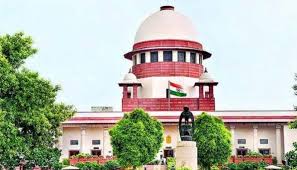
New Delhi, April 25, 2025 — The Supreme Court of India has refused to issue new guidelines for the protection of doctors against rising incidents of assault, asserting that it cannot be expected to monitor every incident or activity across the country. The decision came during a hearing on multiple petitions that sought comprehensive measures and stronger safeguards for medical professionals facing increasing violence and harassment.
A bench comprising Justices Bela M Trivedi and Prasanna B Varale emphasized that the apex court had already laid down relevant guidelines in previous verdicts. The justices noted that any further action, such as enacting new laws or strengthening existing protections, falls within the purview of Parliament rather than the judiciary. “The Supreme Court cannot monitor each and every incident sitting here,” the bench remarked, highlighting the limitations of judicial intervention in such widespread and complex issues.
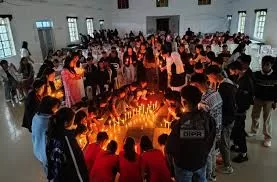
The petitions, filed in 2022 by organizations including the Delhi Doctors Forum and the Indian Medical Association (Dwarka), cited a surge in assaults on doctors and specifically referenced the tragic suicide of Dr. Archana Sharma, a gynaecologist from Rajasthan. Dr. Sharma took her own life after facing intense harassment and an FIR following a patient’s death during delivery, which led to mob pressure and allegations of medical negligence.
During the hearing, petitioners argued that, despite existing guidelines, the ground reality for doctors had not improved, and called for additional measures such as police training and more robust enforcement. The bench responded by stating, “These are all policy matters,” and reiterated that the judiciary’s role is limited once guidelines have been set. Any violations of these directions, the court added, would amount to contempt.
The court also addressed concerns about the registration of criminal cases against doctors following patient deaths, questioning the generalization of such allegations against police stations nationwide. The bench suggested that if petitioners remained dissatisfied, they could approach the relevant High Courts for further relief, particularly in cases specific to individual states like Rajasthan.
This decision comes at a time when safety concerns for healthcare workers remain a pressing issue in India, especially after high-profile incidents of violence and tragic losses within the medical community.
Disclaimer: This article is based on official court proceedings and publicly available information as of April 25, 2025. It is intended for informational purposes only and should not be construed as legal advice or a substitute for professional counsel. For the most current updates or legal guidance, please consult relevant authorities or legal experts.
Citations: