 0
0
 0
0
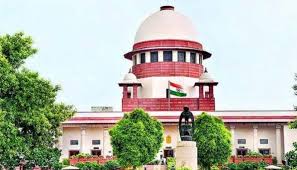
New Delhi — The Supreme Court of India has issued a notice to the Union Government, signaling a potential overhaul of how medical negligence cases are handled in the country. The apex court is responding to a Public Interest Litigation (PIL) seeking a clear statutory framework for the criminal prosecution of doctors—a mandate that has remained unfulfilled for nearly two decades.
The bench, comprising Justices Vikram Nath and Sandeep Mehta, issued the notice returnable within four weeks, following a plea filed by the Sameeksha Foundation. The petition highlights a critical gap in the Indian legal system: the absence of formal rules to govern the prosecution of medical professionals, despite a direct directive from the Supreme Court in the landmark Jacob Mathew v. State of Punjab judgment in 2005.
The “Jacob Mathew” Gap
For the past 20 years, the prosecution of doctors in India has largely relied on “stopgap” guidelines established by the 2005 judgment. These guidelines require investigating officers to obtain an independent medical opinion, preferably from a government doctor, before proceeding with criminal charges against a medical practitioner.
Senior Advocate Shadan Farasat, appearing for the petitioner, argued that this temporary arrangement has failed to deliver justice. The plea termed the government’s inaction “disheartening and disappointing,” noting that the mandatory statutory rules “are yet to be framed and notified even after two decades.”
The Controversy: “Doctors Judging Doctors”
A central argument of the petition is the inherent bias in the current inquiry system. The plea contends that relying solely on medical boards comprised of doctors to judge potential negligence creates a conflict of interest, often described as “doctors judging doctors.”
The petition cites the 73rd Parliamentary Standing Committee Report (2013), which observed that medical professionals are often “very lenient towards their colleagues” and reluctant to testify against one another. This “fraternity bias,” the petitioners argue, leaves victims of gross medical negligence helpless.
“In the absence of Statutory Rules… the medical inquiry reports, in many cases, do not happen to be unbiased,” the petition states. To remedy this, the PIL proposes the establishment of multi-stakeholder inquiry panels that would include retired judges, civil society members, and patient representatives alongside medical experts.
The Data Dilemma
The petition underscores its case with startling statistics. According to the National Crime Records Bureau (NCRB), only 1,019 deaths due to medical negligence were recorded over a six-year period. In a nation of 1.4 billion people with millions of daily medical interactions, the petitioners argue this low number reflects a systemic failure to register and prosecute valid cases, rather than a lack of negligence.
Medical Community’s Perspective
While patient rights groups welcome the move, the medical fraternity views the push for stricter prosecution with caution. The Indian Medical Association (IMA) has long argued that the fear of criminal prosecution drives “defensive medicine”—where doctors order unnecessary tests or avoid high-risk procedures to protect themselves from liability.
Dr. R.V. Asokan, National President of the IMA, has previously stated that “criminal intent” (mens rea) is fundamentally absent in medical practice. The association maintains that medical negligence should primarily be treated under civil law or consumer protection laws, rather than criminal statutes, to ensure doctors can practice without the constant fear of imprisonment.
This tension is further complicated by the new Bharatiya Nyaya Sanhita (BNS). Section 106(1) of the BNS, which recently replaced the Indian Penal Code, prescribes a reduced sentence of two years for medical negligence compared to five years for general negligence. However, it does not solve the procedural ambiguity of how a doctor is investigated and charged.
Implications for Public Health
The Supreme Court’s intervention comes at a critical juncture for Indian healthcare.
-
For Patients: A standardized framework could mean more transparent investigations and a higher likelihood of justice in cases of gross negligence.
-
For Doctors: Clear statutory rules could provide better protection against frivolous complaints by defining precise thresholds for what constitutes “criminal” negligence versus a civil error.
“Every human life is precious,” the petition argued, asserting that preventable hospital deaths cannot be dismissed merely as disciplinary issues. The Court’s decision in the coming weeks will determine whether India finally bridges the gap between patient safety and professional protection.
Medical Disclaimer
Medical Disclaimer: This article is for informational purposes only and should not be considered medical advice. Always consult with qualified healthcare professionals before making any health-related decisions or changes to your treatment plan. The information presented here is based on current research and expert opinions, which may evolve as new evidence emerges.
References
-
Legal Proceedings: Sameeksha Foundation v. Union of India, Supreme Court of India (2025). Bench: Justices Vikram Nath and Sandeep Mehta.
-
News Source: Medical Dialogues. (2025, December 2). SC to decide on Statutory framework for criminal prosecution of doctors in medical negligence cases, notice issued.