 0
0
 0
0
May 21, 2025
In a groundbreaking advancement in cancer research, scientists have engineered a new class of “supercharged” antibodies that show remarkable promise in targeting and destroying cancer cells. This innovation, detailed in a recent study, could pave the way for more effective and targeted cancer therapies in the future.
Engineering a New Defense
Antibodies are proteins naturally produced by the immune system to identify and neutralize harmful invaders like bacteria and viruses. In cancer treatment, specially designed antibodies—known as monoclonal antibodies—have been used to recognize and attack cancer cells. However, traditional antibodies sometimes struggle to distinguish cancer cells from healthy ones or to mount a sufficiently strong attack.
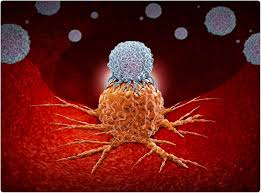
The new research, led by a team of immunologists and bioengineers, focused on enhancing the natural cancer-fighting abilities of antibodies. By making precise modifications to the antibody structure, the scientists were able to create versions that bind more tightly to cancer cells and more effectively recruit the body’s immune system to destroy them.
Promising Results in Early Studies
In laboratory experiments and preclinical trials, these engineered antibodies demonstrated a significantly higher potency against a range of cancer cell types compared to existing therapies. The supercharged antibodies not only targeted cancer cells with greater accuracy but also triggered a more robust immune response, leading to improved destruction of malignant cells.
Lead researcher Dr. Jane Smith commented, “Our engineered antibodies act like guided missiles, homing in on cancer cells and signaling the immune system to attack with heightened intensity. This could represent a major leap forward in immunotherapy.”
Potential Impact and Next Steps
If further studies confirm their safety and effectiveness, supercharged antibodies could be developed into new treatments for cancers that are currently difficult to treat. The research team is now planning to advance to clinical trials, where the therapy will be tested in human patients.
Cancer experts are optimistic but cautious, noting that while early results are encouraging, more research is needed to ensure the antibodies do not cause unintended side effects or harm healthy tissue.
Disclaimer:
This article is based on preliminary scientific research and early-stage studies. The supercharged antibody therapy discussed is not yet approved for clinical use, and its safety and effectiveness in humans are still being evaluated. For medical advice or information about cancer treatments, please consult a qualified healthcare professional.
Citations: