 0
0
 0
0
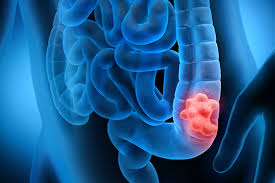
Mumbai, Aug 22, 2025 — Colorectal cancer (CRC), the cancer of the colon or rectum, is now the second most common cause of cancer deaths worldwide. According to the World Health Organization (WHO), it accounts for nearly 10% of all global cancer cases. In men, it is the second most frequently diagnosed cancer, while in women it ranks third. Against this sobering backdrop, new research suggests a simple nutrient widely known as the “sunshine vitamin” could significantly reduce the risk.
A sweeping analysis published in April 2025 in the Journal of Cancer Prevention and Nutrition titled “Vitamin D and Colorectal Cancer Prevention: Immunological Mechanisms, Inflammatory Pathways, and Nutritional Implications” has drawn global attention by suggesting that maintaining optimal Vitamin D levels may cut colorectal cancer risk by as much as 58–60%.
What the Research Found
The international research team conducted one of the most comprehensive reviews to date, evaluating over 10,000 studies and narrowing them to 50 high-quality investigations that directly examined Vitamin D and colorectal cancer risk.
-
A meta-analysis of 31 studies showed individuals with the highest blood Vitamin D concentrations (around 80 ng/mL) had a 25% lower risk of CRC compared to those with very low levels (about 10 ng/mL).
-
Data from the well-established Nurses’ Health Study, which tracked thousands of U.S. women for decades, found that women with the highest Vitamin D intake were 58% less likely to develop colorectal cancer.
The review also examined mechanistic studies, which suggest Vitamin D helps regulate cell growth, slows tumour-feeding blood vessel formation (a process called angiogenesis), promotes the self-destruction of abnormal cells (apoptosis), and reduces inflammation in the gut — all biological pathways implicated in colorectal cancer.
“These findings shine light on how a vitamin best known for strengthening bones may also act as a guardian of our intestines,” said Dr. Nisha Kapoor, oncologist at AIIMS-Delhi, who was not involved in the study. “While the evidence is promising, it should not be seen as a licence for megadoses of supplements without medical supervision.”
Why Vitamin D Matters Beyond Bones
Long celebrated for its role in calcium absorption and bone health, Vitamin D is increasingly understood as a multi-tasking hormone-like compound. According to the National Institutes of Health (NIH), it:
-
Supports healthy communication in nerve and muscle cells.
-
Modulates immune defenses and helps protect against infections.
-
Regulates blood pressure and cardiovascular functions.
-
Plays a role in maintaining a healthy gut microbiome, which is emerging as a key factor in cancer prevention.
With these diverse roles, researchers are now exploring Vitamin D as a central player in preventing not just osteoporosis but also inflammatory disorders and multiple cancers.
What Experts Advise: Prevention, Not Self-Prescription
While the new findings broaden the case for Vitamin D, experts caution against blanket supplementation.
“Vitamin D deficiency is extremely common, particularly in South Asia, where despite abundant sunlight, lifestyle patterns often limit sun exposure,” explained Dr. Rajiv Menon, Senior Gastroenterologist at Tata Memorial Hospital, Mumbai. “But supplementation should never be done blindly. A 25-hydroxy Vitamin D blood test is the gold standard to assess levels. Based on this, doctors can recommend safe doses tailored to the individual.”
Current general recommendations by the U.S. Institute of Medicine (IOM) suggest a daily intake of:
-
600–800 IU for most adults
-
With higher therapeutic doses sometimes prescribed under supervision for those with deficiency (blood levels <20 ng/mL).
Excessive Vitamin D intake can cause toxicity, leading to kidney damage, calcium buildup, and heart rhythm problems—making self-medication potentially dangerous.
Other Established Risk Factors for Colorectal Cancer
While Vitamin D appears promising, colorectal cancer has many risk drivers. Studies highlight the following as well-established contributors:
-
Age: Risk rises significantly after 50 years.
-
Diet: High intake of red and processed meat; low intake of fiber, fruits, and vegetables.
-
Obesity & Lack of Exercise: Sedentary lifestyles raise risk sharply.
-
Family History: Genetic predispositions play an important role.
-
Excessive Alcohol and Smoking: Both linked to higher incidence of CRC.
Addressing these modifiable risk factors—through diet, exercise, screening, and safe sun exposure—provides the best defense alongside medical guidance on Vitamin D.
The Research Gaps: Why More Trials Are Needed
Though the associations are strong, researchers admit limitations:
-
Causation vs. Correlation: Most studies are observational, meaning Vitamin D levels may reflect better overall health rather than directly preventing cancer.
-
Population Differences: Effects may vary in different ethnic and genetic groups.
-
Optimal Dosage Unclear: Studies show benefits at higher blood levels, but an exact “sweet spot” is not yet universally agreed.
-
Few Randomized Controlled Trials (RCTs): Gold-standard RCTs with thousands of participants are still limited.
“Vitamin D sits at the exciting intersection of nutrition and oncology prevention research,” said Dr. Michael Chen, Professor of Nutritional Sciences at Harvard University, who reviewed the study independently. “But until we have larger RCT evidence, Vitamin D should be seen as a potential aid, not a guaranteed shield.”
Practical Takeaways for Readers
Based on current knowledge, here are safe, practical approaches:
-
Get Tested: Ask your doctor about a Vitamin D blood test, particularly if you have risk factors like limited sun exposure, darker skin tone, or gastrointestinal diseases.
-
Dietary Sources: Include fatty fish (salmon, sardines), fortified cereals, eggs, and dairy products.
-
Safe Sun Exposure: 10–15 minutes of sun on arms and face, 2–3 times a week, may be sufficient for many, though individual needs vary.
-
Lifestyle Habits: Regular exercise, fiber-rich diets, reduced red/processed meat, and quitting smoking remain cornerstones of risk reduction.
The Bottom Line
The new evidence linking Vitamin D to colorectal cancer prevention is encouraging and offers a glimmer of hope in the fight against one of the deadliest cancers worldwide. However, experts stress the importance of moderation, medical guidance, and a broader preventive lifestyle strategy.
As Dr. Kapoor succinctly put it: “Vitamin D may well be a valuable tool in our prevention arsenal, but it is not a magic bullet. It works best as part of a bigger picture of healthy living, timely screening, and individualized care.”
References
- https://www.daijiworld.com/news/newsDisplay?newsID=1289967