 0
0
 0
0
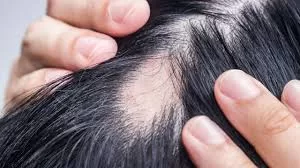
Emerging scientific evidence highlights the impact of dietary choices on hair health, revealing that high consumption of sugary drinks may significantly increase the risk of hair loss, especially in men. A recent systematic review published in the journal Nutrition and Health synthesizes findings from 17 peer-reviewed studies involving over 61,000 participants, providing one of the most comprehensive looks yet into how diet influences hair growth and alopecia severity. This review signals a shift toward recognizing nutrition’s vital role in maintaining hair wellness beyond genetic and hormonal factors.
Overview of Key Findings
The systematic review assessed the relationship between specific dietary factors and hair outcomes such as hair density, growth, and loss. It found a strong inverse correlation between vitamin D levels and severity of alopecia—including forms such as alopecia areata and androgenetic alopecia—underscoring vitamin D’s importance in hair follicle health. Conversely, consuming more than 3,500 ml of sugary drinks per week was associated with a substantial increase in hair loss risk, particularly among young men, according to a large cross-sectional study from China included in the review.
Other dietary components also demonstrated notable effects:
-
Iron supplementation was linked to improved hair growth in women with feminine alopecia.
-
Higher intake of cruciferous vegetables and soy showed trends toward reduced hair loss, though not all findings reached statistical significance.
-
Alcohol consumption correlated with increased hair shedding and premature hair depigmentation.
-
Protein deprivation was related to thinner and less pigmented hair bulbs in men, pointing to protein’s structural role in hair integrity.
-
Supplements such as persimmon leaf extract and marine protein complexes showed potential to enhance hair thickness or reduce loss, but with caution due to a high risk of bias in some trials.
Expert Perspectives
Dr. Anjali Mehta, a dermatologist not involved in the study, comments, “This review solidifies the critical role nutrition plays in hair health. While genetics and hormones set the stage for alopecia, the supporting cast of vitamins, minerals, and dietary habits can influence outcomes dramatically.” She cautions that “there’s no one-size-fits-all nutrient, and appropriate dosing is key; for instance, too much vitamin A (retinol) may worsen hair loss, showing the need for balanced intake.”
Nutritionist Rajiv Kumar highlights the mental health dimension, explaining, “Hair loss significantly impacts self-esteem and psychological well-being. Public awareness of how everyday dietary choices affect hair can empower individuals to take proactive steps before severe alopecia develops.”
Context and Background
Hair serves as more than a physical feature—it is deeply tied to individual identity and psychological health worldwide. Alopecia affects millions across all demographics, yet its causes are multifactorial. Traditional focus has been on genetics and hormones, but recently, subtle nutritional influences have emerged as important modifiers. Severe nutrient deficiencies have long been known to cause hair loss, but this review emphasizes even moderate dietary patterns shape hair follicle health.
This synthesis followed Preferred Reporting Items for Systematic Reviews and Meta-Analyses (PRISMA) guidelines and methodological quality was rigorously assessed. Despite moderate quality in observational studies and some bias in clinical trials, the volume and consistency of data provide meaningful insights for public health interventions.
Public Health Implications
These findings stress the importance of balanced nutrition and limiting high sugar intake to promote hair health. Given the rising global consumption of sugary beverages, public education campaigns could incorporate hair health as another compelling reason to reduce sugar in diets. Ensuring adequate vitamin D and iron intake, either via diet or supplements, should be encouraged particularly among populations at risk for deficiency and hair loss.
Healthcare providers might consider nutritional evaluation as part of holistic management for patients presenting with alopecia or thinning hair. Additionally, mental health professionals could integrate dietary counseling to support psychosocial outcomes related to hair conditions.
Limitations and Future Directions
The review authors emphasize the preliminary nature of some findings due to study design variability and biases. Notably, no meta-analysis was feasible because of heterogeneous methods and outcome measures. Further large-scale, well-controlled trials are required to confirm causality and clarify optimal nutrient dosages for hair health.
Confounding factors such as genetics, lifestyle habits, and comorbidities also complicate interpretation. While nutritional strategies appear promising, they should complement—not replace—established treatments for alopecia.
Practical Takeaways for Readers
-
Limit sugary drink consumption to reduce hair loss risk.
-
Monitor and maintain adequate vitamin D and iron levels through diet or supplements.
-
Include protein-rich foods and nutrient-dense vegetables such as those from the cruciferous family.
-
Be cautious with excessive intake of some vitamins like vitamin A; balance is essential.
-
Consult healthcare professionals for personalized advice, especially when experiencing hair thinning or loss.
Medical Disclaimer: This article is for informational purposes only and should not be considered medical advice. Always consult with qualified healthcare professionals before making any health-related decisions or changes to your treatment plan. The information presented here is based on current research and expert opinions, which may evolve as new evidence emerges.
References
-
Systematic Review: “Assessing the relationship between dietary factors and hair health: A systematic review,” Nutrition and Health, June 2025.