 0
0
 0
0
8 March 2026, Port Sudan, Sudan – On 3 March 2026, Sudan declared the end of the cholera outbreak following no report of cases for 48 days – longer than the 2 full incubation periods of 10 days without reported cases that are required before declaring an end to an outbreak. The last case was reported on 14 January 2026.
Cholera cases were first detected in Kassala State in late July 2024, prompting the Federal Ministry of Health to declare an outbreak in August 2024. The disease subsequently spread to all 18 states, infecting 124 418 people and resulting in 3573 deaths.
The outbreak was driven by disruptions to water and sanitation systems, population displacement, flooding and limited access to health care services.
“Sudan’s health leadership, health care workers and WHO teams fought hard and long to contain the outbreak in the midst of a complex humanitarian emergency with an extremely challenging operational context,” said WHO Representative to Sudan and Head of Mission Dr Shible Sahbani. “We are able to celebrate the end of the outbreak today thanks to the sustained multisectoral response and coordinated efforts of all stakeholders.”
The outbreak was contained as a result of sustained surveillance and coordinated response efforts. WHO supported and coordinated the response alongside the Federal Ministry of Health. Surveillance was strengthened, rapid response teams and mobile laboratories deployed, supplies for cholera detection and treatment and vaccines provided, access to safe water, sanitation and hygiene (WASH) improved and community engagement campaigns undertaken.
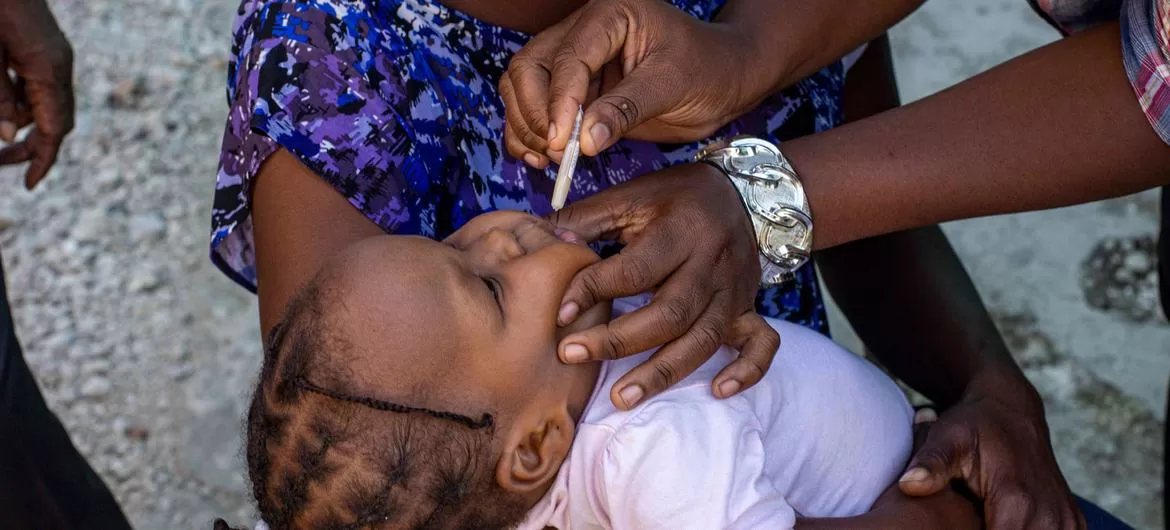
Since the beginning of the outbreak, vaccination efforts have protected more than 23 million people, contributing significantly to interrupting transmission in affected and high‑risk areas.
“As with all health responses in Sudan’s current complex situation, managing the cholera outbreak was challenging and pushed our teams and partners to their limits,” said H.E. the Federal Minister of Health Dr Haitham Ibrahim. “We have overcome this through strong coordination and the dedication of our teams across the country. We have documented these lessons and are now better prepared for future outbreaks.”
Nearly 3 years of conflict in Sudan have severely disrupted essential services, including WASH and health care, damaging the health system and creating conditions conducive to cholera transmission.
Cholera is an acute diarrhoeal illness caused by ingesting contaminated food or water. A global public health threat, cholera reflects underlying inequities and gaps in social and economic development. Ensuring access to safe water, sanitation and hygiene is vital to preventing cholera and other waterborne diseases.
With over half of Sudan’s population – 33.7 million people – in need of humanitarian assistance, 21 million requiring health support and 13.6 million displaced, the risk of cholera and other waterborne diseases is high. Lessons learned from the outbreak and strengthened recovery and health system rehabilitation efforts are critical to improve preparedness and response to future health threats.
WHO is committed to supporting surveillance, reporting, capacity building and pre‑positioning supplies in high‑risk areas. This requires safe and unhindered access to all parts of Sudan and sustained funding for prevention and response efforts.
The declaration of the end of the cholera outbreak in Sudan marks an important public health milestone achieved through coordinated national leadership and strong partner support.