 0
0
 0
0
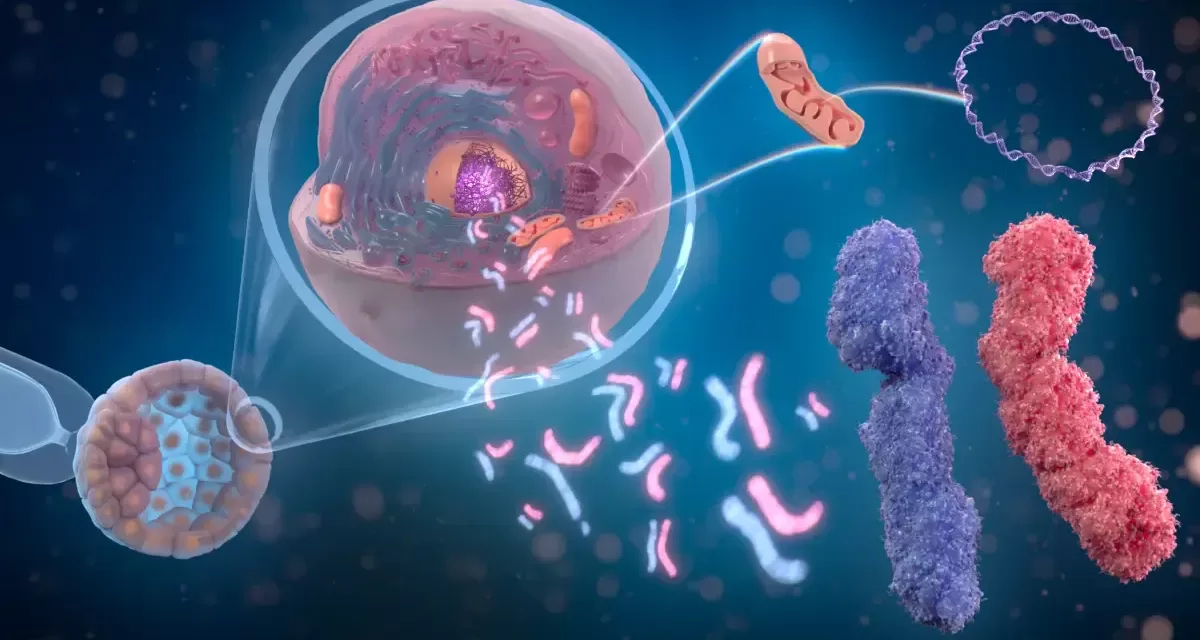
New York, May 4 – A recent breakthrough study has revealed the mechanism by which “jumping genes,” scientifically known as transposable elements, invade the nucleus of human cells to replicate themselves. Unlike viruses, these elements are simpler genetic sequences that hijack the host cell’s machinery to copy their own genetic code.
The research, published in Science Advances, focused on a particular transposable element called long interspersed nuclear element 1 (LINE-1), the only such element still capable of autonomous movement within the human genome. LINE-1 elements constitute about 20 percent of human DNA and are responsible for driving genome evolution. However, their activity can also contribute to neurological diseases, cancer, and aging when they disrupt essential genes or trigger immune responses.
Scientists from NYU Langone Health and the Munich Gene Center at Ludwig-Maximilians-Universität (LMU) Munich, led by Associate Professor Liam J. Holt, discovered that LINE-1 exploits the brief moments during cell division when the nucleus temporarily breaks down. During this window, LINE-1 RNA clusters with a protein it encodes, ORF1p, forming condensates-large clusters of hundreds of molecules-that latch onto the exposed DNA. Once attached, LINE-1 can insert copies of itself into new locations in the genome before the nucleus reforms.
This detailed understanding of LINE-1’s replication strategy sheds light on how these genetic elements maintain their presence in human DNA despite cellular defense mechanisms. Dr. Holt emphasized that these findings could pave the way for developing therapies aimed at preventing LINE-1 replication, potentially mitigating its role in disease and aging. He also noted the broader implications for understanding other cellular processes involving molecular condensates.
Disclaimer: This article is based on findings published in Science Advances and information provided by NYU Langone Health and LMU Munich. The research is ongoing, and while promising, therapeutic applications targeting LINE-1 are still under development.
Citations: