 0
0
 0
0
Since the Industrial Revolution about 170 years ago, human movement has increased approximately 40 times, far exceeding the total movement of all wild land mammals, birds, and insects combined, new research reveals. Published in the journal Nature Ecology & Evolution, the study underscores the profound shift in global mobility patterns and the resultant ecological impacts, marking a new chapter in humanity’s dominance over natural ecosystems.
Key Findings of the Study
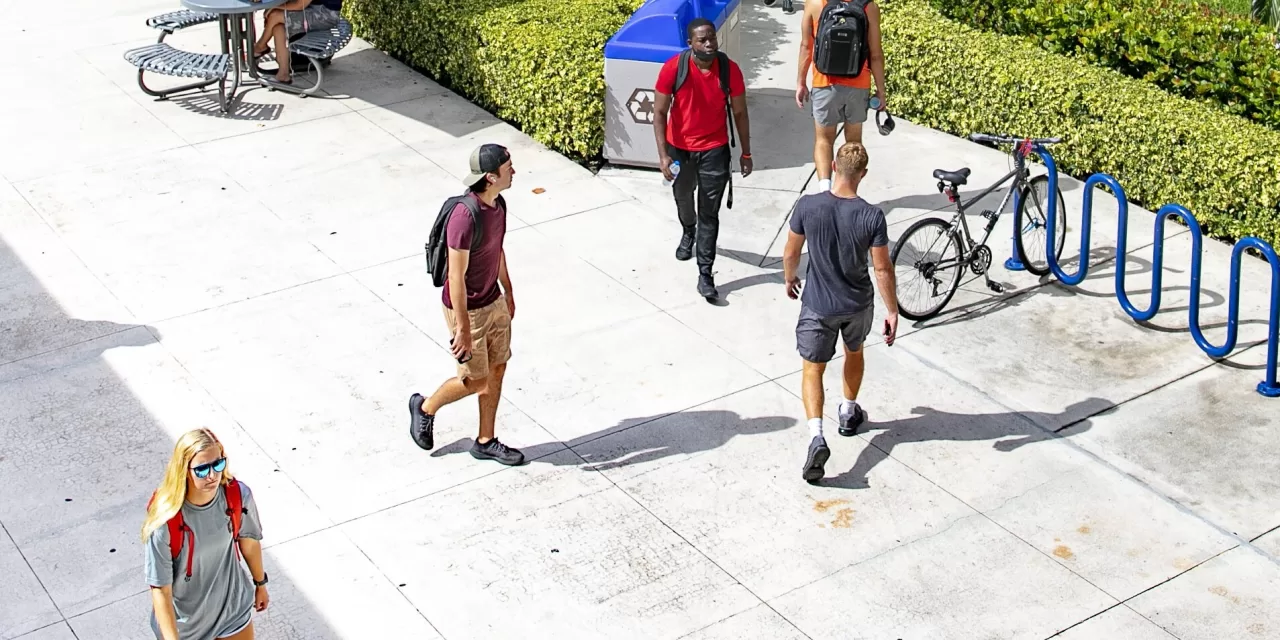
An international team led by the Weizmann Institute of Science developed a novel measurement combining the total biomass of a species (the collective body weight of all individuals) with the distance it travels annually. Using this biomass movement metric, the researchers found that humans now move at levels about 40 times greater than all wild land animals combined. Notably, the movement of humans traveling on foot alone exceeds the combined movement of all wild land mammals, birds, and arthropods sixfold.
Most human mobility today occurs via modern transport modes: roughly 65% by car or motorbike, 10% by airplane, 5% by train, and the remaining 20% on foot or bicycle. On average, individuals travel about 30 kilometers daily—a distance slightly greater than wild birds and substantially more than the roughly 4 kilometers traveled daily by wild land mammals. The study also found that the energy used by a single airline annually equals the total energy expended in flight by all wild birds worldwide.
Each year since the Industrial Revolution, the total biomass movement of humans has increased 4,000%, while marine animal movement has decreased by approximately 60%. Concurrently, the total biomass of wild land and marine mammals dropped by about 70%, declining from around 200 million tonnes in 1850 to just 60 million tonnes today. In contrast, human weight increased by around 700%, and farm animal biomass surged by 400%. People and their livestock now collectively weigh about 1.1 billion tonnes, illustrating vast human expansion amid wildlife decline.
Expert Perspectives
Professor Ron Milo of the Weizmann Institute highlighted the surprising scale of human mobility compared to wildlife migrations. “Even the great migrations we see in nature documentaries pale when contrasted with the biomassed movement caused by human travel—for example, people gathering globally for a single World Cup tournament,” Milo stated.
Dr. Yuval Rosenberg, who led the study, emphasized the ecological consequences of shrinking animal movement: “Animal movement underpins ecosystem function and connectivity. The steep global decline in animal mobility signals considerable pressure on nature’s balance.”
Context and Background
Movement is essential across species for feeding, reproduction, predator evasion, and ecosystem connectivity. The Industrial Revolution triggered expansive economic and technological advances—such as mechanized transport and urbanization—that enabled unprecedented human mobility. These developments drastically shifted how humans interact with landscapes and ecosystems, disrupting natural animal movement and contributing to habitat fragmentation and biodiversity loss.
The study’s novel biomass movement metric provides a powerful quantitative tool to compare movement across species, highlighting the unprecedented scale of human mobility relative to wildlife. This new insight clarifies humanity’s growing ecological footprint and dominance on Earth and underscores the challenges to conserving biodiversity amid ongoing industrial development.
Public Health and Environmental Implications
This surge in human movement facilitates rapid urbanization, increased resource consumption, and transportation emissions—all key factors in climate change and environmental degradation, indirectly impacting public health worldwide. Furthermore, increased mobility has historical and ongoing implications for infectious disease spread, lifestyle changes, and access to healthcare.
While enhanced mobility brings opportunities for economic development and cultural exchange, it imposes significant ecological costs. The drastic reduction in animal movement—particularly in marine environments—raises concerns about ecosystem resilience and function, potentially threatening food security and biodiversity critical to human wellbeing.
Potential Limitations and Alternate Views
The study primarily quantifies movement based on biomass and distance, which may not fully capture complexities like behavioral or seasonal variations in wildlife migration. Some critics might argue that technological advances improving human mobility also create better opportunities for environmental management and conservation practices. Nonetheless, the overwhelming dominance of human movement documented persists as a directional warning about biodiversity loss.
Implications for Daily Life
For readers, this study highlights the environmental weight of daily travel habits and urges consideration of sustainable transportation alternatives such as walking, cycling, and public transit to reduce ecological footprints. It also accentuates the interconnectedness of human activities and natural ecosystems, encouraging greater awareness and engagement in conservation efforts.
In an era of accelerating global change, understanding the scale and impact of human movement compared to wildlife offers a vital perspective for policymakers, health professionals, and citizens alike to promote healthier, more sustainable coexistence with nature.
Medical Disclaimer: This article is for informational purposes only and should not be considered medical advice. Always consult with qualified healthcare professionals before making any health-related decisions or changes to your treatment plan. The information presented here is based on current research and expert opinions, which may evolve as new evidence emerges.
References