 0
0
 0
0
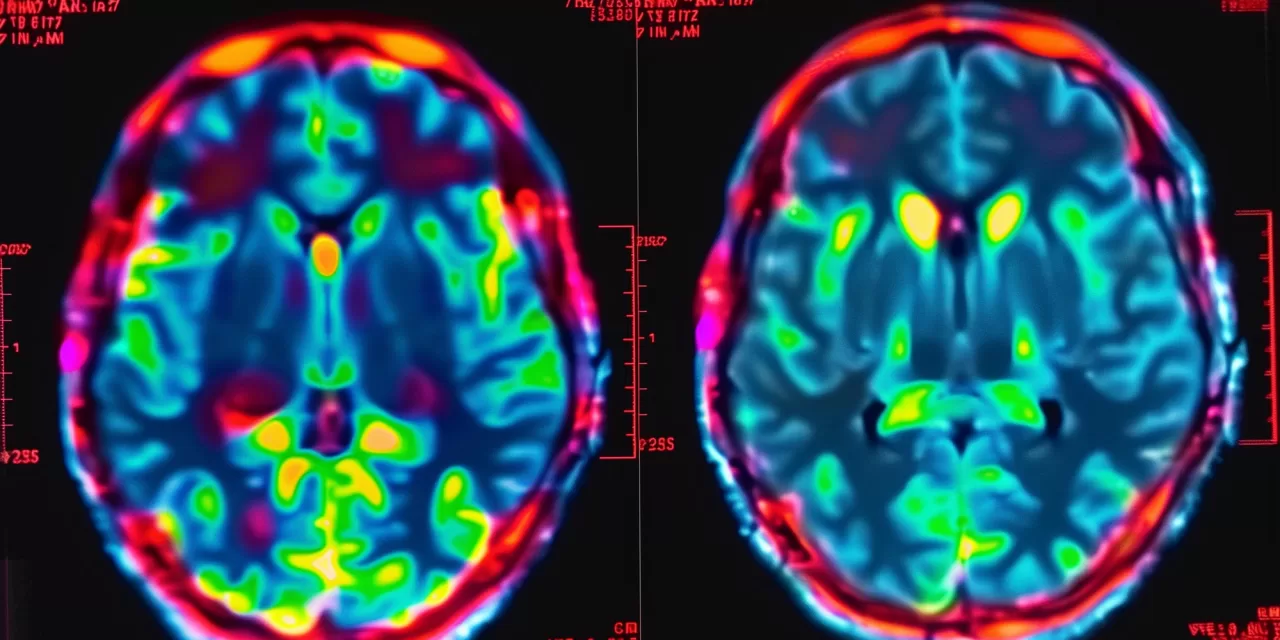
A new study has identified the difference between a person’s chronological age and their brain’s predicted age—known as the “brain age gap” (BAG)—as a significant factor mediating cognitive decline, particularly among individuals with cerebrovascular disease.
What is the Brain Age Gap?
The brain age gap is calculated by subtracting an individual’s chronological age from their brain’s predicted age, as determined by advanced brain imaging and machine learning models. A larger gap suggests that the brain is aging faster than expected for a person’s actual age.
Key Findings
-
Study Design: Researchers analyzed data from over 2,000 participants using brain scans and machine learning to predict brain age. The study focused on individuals without dementia, with a subset matched for further analysis.
-
Risk Factors: Higher numbers of cognitive impairment risk factors were linked to lower cognitive performance scores. The BAG was found to mediate this relationship, especially in those with cerebrovascular disease (CeVD), such as microbleeds and infarcts.
-
Domain-Specific Effects: The strongest mediation effects were observed in executive function and language abilities. In participants with high CeVD burden, BAG accounted for nearly 20% of the relationship between risk factors and global cognition, and up to 34% for executive function.
-
Implications: Accelerated brain aging, as measured by BAG, appears to disproportionately increase cognitive vulnerability in individuals with vascular pathology. This suggests that interventions targeting vascular health could have a meaningful impact on preserving cognitive abilities.
Expert Insights
Dr. Saima Hilal, a co-investigator from the National University of Singapore, noted, “While we expected BAG to have some mediating effect, the domain-specific nature of this influence was unexpected. Accelerated brain aging plays a disproportionate role in cognitive vulnerability among individuals with vascular pathology”.
What Does This Mean for Patients?
-
Early Identification: Measuring the brain age gap could help identify individuals at higher risk of cognitive decline before symptoms appear.
-
Targeted Interventions: Those with a larger BAG and vascular risk factors may benefit most from early lifestyle or medical interventions aimed at slowing brain aging and improving vascular health.
Disclaimer
This article summarizes findings from recent research and is intended for informational purposes only. It does not constitute medical advice. Individuals concerned about cognitive health or risk factors for cognitive decline should consult a qualified healthcare professional for personalized guidance.