 0
0
 0
0
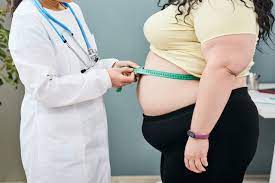
A sweeping international study has revealed that adopting new, stricter criteria for defining obesity could dramatically lower reported obesity rates worldwide—but may also compromise efforts to identify and prevent serious health issues.
The research, led by a team from Emory University, Johns Hopkins University, University of Queensland, Zhejiang University School of Medicine, and top Peruvian universities, compared the current BMI-based standard for obesity to a proposed definition that would require an individual to have a high BMI and at least one related health condition, such as diabetes, hypertension, or high cholesterol, to be classified as clinically obese.
Analyzing survey data from 56 countries and more than 142,000 adults, the team discovered that under the new criteria, obesity prevalence would drop sharply in many nations—sometimes by more than half. For instance, in Malawi, male obesity rates plunged by 68% and female rates by 53% when the additional health condition criterion was applied.
The study, published in PLOS Global Public Health, raises concerns that such a definitional change might hinder early detection and prevention. Rodrigo M. Carrillo-Larco, MD, PhD, of Emory University explained, “At the population level we would expect the prevalence of obesity to drop, but we should be mindful that it’s an artificial drop because the new definition is more strict or complex—that reduction in obesity is not real.” People with high BMI but no other conditions would no longer be considered clinically obese, yet their risk factors—and need for preventive care—would remain unchanged.
Researchers caution that while the new criteria might more closely align with current disease risks, shifting official definitions would create serious measurement, equity, and implementation challenges. Importantly, it could also give many individuals a misleading sense of security about their health.
“Just because people who have high BMI but no additional comorbidities would not be considered clinically obese, it does not mean that by some miracle their risk has reduced,” Carrillo-Larco said. “They should still receive preventive care counseling, they should still be eating healthy diets, and they should continue working to achieve their optimal healthy weight.”
The findings urge health authorities to consider both the statistical and real-world impact before any major revision to existing obesity criteria.
Disclaimer:
This article is based on early findings from the referenced study and should not be used as medical advice. Please consult a healthcare professional for personalized health recommendations.