 0
0
 0
0
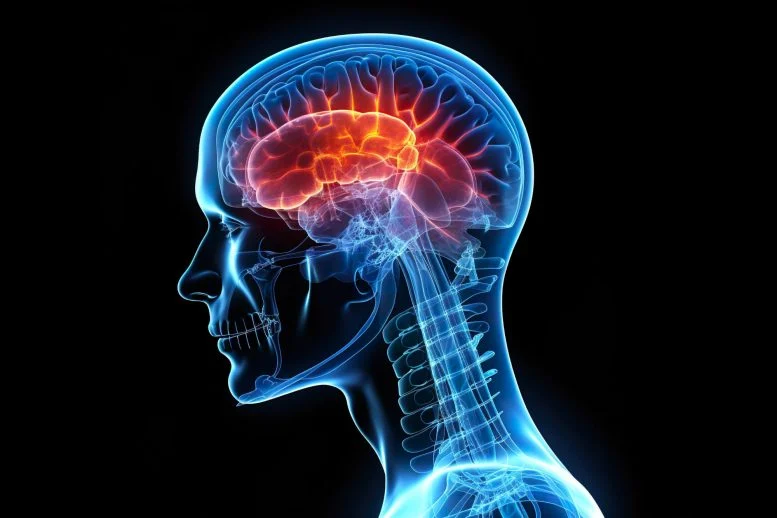
A groundbreaking new study reveals that the COVID-19 pandemic may have accelerated brain aging in the general population, even among those who never contracted the virus. The research, led by scientists at the University of Nottingham and published in the journal Nature Communications, utilized brain imaging data from nearly 16,000 healthy adults in the UK Biobank to measure the impact of pandemic-related stressors on brain health.
Researchers found that, on average, people who lived through the pandemic showed brain changes equivalent to 5.5 months of accelerated aging compared to pre-pandemic controls. This effect was observed regardless of whether participants had been infected with the virus or not. The changes were most notable in males, older individuals, and those from socio-economically disadvantaged backgrounds.
The phenomenon is believed to be linked to the cumulative psychological and social stresses of the pandemic—such as prolonged isolation, changes in routine, reduced physical and mental activity, and economic uncertainty. All of these factors are known to negatively impact brain health over time.
Fortunately, the study suggests that this accelerated brain aging did not translate to measurable declines in memory or cognitive performance for uninfected individuals. Only those who contracted COVID-19 showed a direct link between structural brain aging and declines in cognitive test scores. While it remains unclear whether the observed brain changes are reversible, experts highlight the need to monitor long-term neurological health as society continues to recover.
Dr. Ali-Reza Mohammadi-Nejad, the study’s lead author, emphasized the importance of environmental and lifestyle factors in shaping brain health, not just illness itself, saying, “What surprised me most was that even people who hadn’t had COVID showed significant increases in brain aging rates. It really shows how much the experience of the pandemic itself…may have affected our brain health”.
While the findings are concerning, some neuroscientists believe there is potential for recovery as normal social interactions, physical activities, and routines are restored in post-pandemic life.
Disclaimer:
This article summarizes current research on the neurological impact of the COVID-19 pandemic. The findings should not be interpreted as medical advice. If you have concerns about your brain health or cognitive function, please consult a healthcare professional. The research on this topic is ongoing, and our understanding may evolve as new data emerges.