 0
0
 0
0
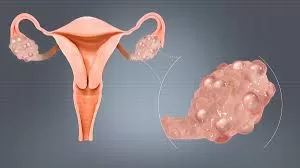
A recent study has revealed that 17.4% of college-going women aged 18–25 years in Delhi and the National Capital Region (NCR) are affected by Polycystic Ovary Syndrome (PCOS), a rate significantly higher than the national average previously reported for similar age groups in India. The research, conducted in 2024 and involving 1,164 participants, highlights growing concerns about women’s reproductive health in urban India.
Key Findings
-
Out of the 1,164 women surveyed, 202 were found to have PCOS.
-
Of those diagnosed, 70.3% were already aware of their condition, while 29.7% were newly diagnosed during the study.
-
The prevalence rate in Delhi NCR (17.4%) is notably higher than the pooled national prevalence of 8.41% for the same age group.
-
Higher risk of PCOS was associated with being aged 20 or above, having higher education, belonging to certain ancestries (East India and immigrants), and living in nuclear families.
-
Conversely, women from Other Backward Classes (OBC) and lower middle-class backgrounds had a reduced risk of PCOS.
Comparative Prevalence Across India
A review of similar studies across India shows considerable regional variation. For example, Mumbai reported a prevalence of 22.5% among adolescents and young adults, while Lucknow and Madhya Pradesh reported much lower rates of 3.7% and 8.2%, respectively. The findings from Delhi NCR suggest that urban lifestyle and sociodemographic factors may play a significant role in the increased risk of PCOS.
Implications for Public Health
The study’s authors emphasize the urgent need for targeted public health interventions in urban areas. They point out that factors such as modern lifestyle, socioeconomic status, and family structure are closely linked to PCOS risk, underlining the importance of awareness, early diagnosis, and management strategies tailored to urban populations.
“The high prevalence of PCOS in Delhi NCR compared to other regions highlights the need for targeted epidemiological research and intervention strategies in urban settings,” the study notes.
Disclaimer
This article is based on findings from a cross-sectional study and systematic review published in 2024. The results reflect associations and trends specific to the study population and may not be generalizable to all women in India. PCOS diagnosis and management should always be conducted by qualified healthcare professionals. For personal medical advice, readers should consult a healthcare provider.
Citations: