 0
0
 0
0
New Delhi, May 3, 2025:
A recent study has revealed a sobering statistic: at least 35,000 lives were lost in India due to extreme temperatures between 2001 and 2019. The findings highlight the growing threat posed by climate change and the urgent need for comprehensive adaptation strategies across the country.
The study, conducted by a team of researchers and reported by PTI News, analyzed mortality data over an 18-year period. The researchers found that both heatwaves and cold waves contributed significantly to the death toll, with vulnerable populations such as the elderly, children, and those with pre-existing health conditions being the most affected.
Key Findings
-
Total Deaths: At least 35,000 lives lost due to extreme temperatures from 2001 to 2019.
-
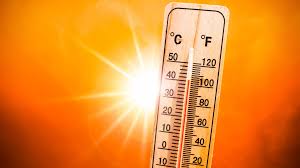
Heatwaves: Increasing frequency and intensity of heatwaves have led to a sharp rise in heat-related deaths, particularly in northern and central India.
-
Cold Waves: Cold spells, though less publicized, also accounted for a substantial number of fatalities, especially in the northern states.
-
Vulnerable Groups: The elderly, young children, and people with chronic illnesses were disproportionately affected.
Expert Reactions
Climate experts warn that the numbers could rise in the coming decades if global warming continues unabated. “Extreme weather events are becoming more common, and India is particularly vulnerable due to its vast and diverse geography,” said Dr. Anjali Mehra, a climate scientist not associated with the study.
Government Response
The Indian government has launched several initiatives to mitigate the impact of extreme weather, including early warning systems, public awareness campaigns, and city-level heat action plans. However, experts stress that more needs to be done, especially in rural and underserved areas.
The Way Forward
The study underscores the importance of climate resilience and the need for robust public health infrastructure. Researchers recommend increased investment in heat shelters, improved healthcare access, and stronger community outreach to protect at-risk populations.
Disclaimer:
This article is based on information reported by PTI News and a referenced study. The figures and findings are estimates and may be subject to revision as more data becomes available. For further details and the full study, please refer to the original PTI News report.
Citations: