 0
0
 0
0
February 14, 2026
NEW DELHI — In a move to fortify the nation’s “Pharmacy of the World” status, the Indian Government is accelerating the development of specialized “Bulk Drug Parks” and medical device clusters. Announced in a detailed update to the Lok Sabha on Friday, February 13, by Union Minister of State for Chemicals and Fertilizers, Smt. Anupriya Patel, the initiative aims to slash the country’s dependence on imported raw materials for life-saving medications.
By investing over ₹3,000 crore into common infrastructure across three dedicated states—Andhra Pradesh, Gujarat, and Himachal Pradesh—the government is attempting to insulate the domestic healthcare system from the kind of global supply chain shocks witnessed during the early 2020s.
Understanding the “Bulk” of the Issue: What are APIs?
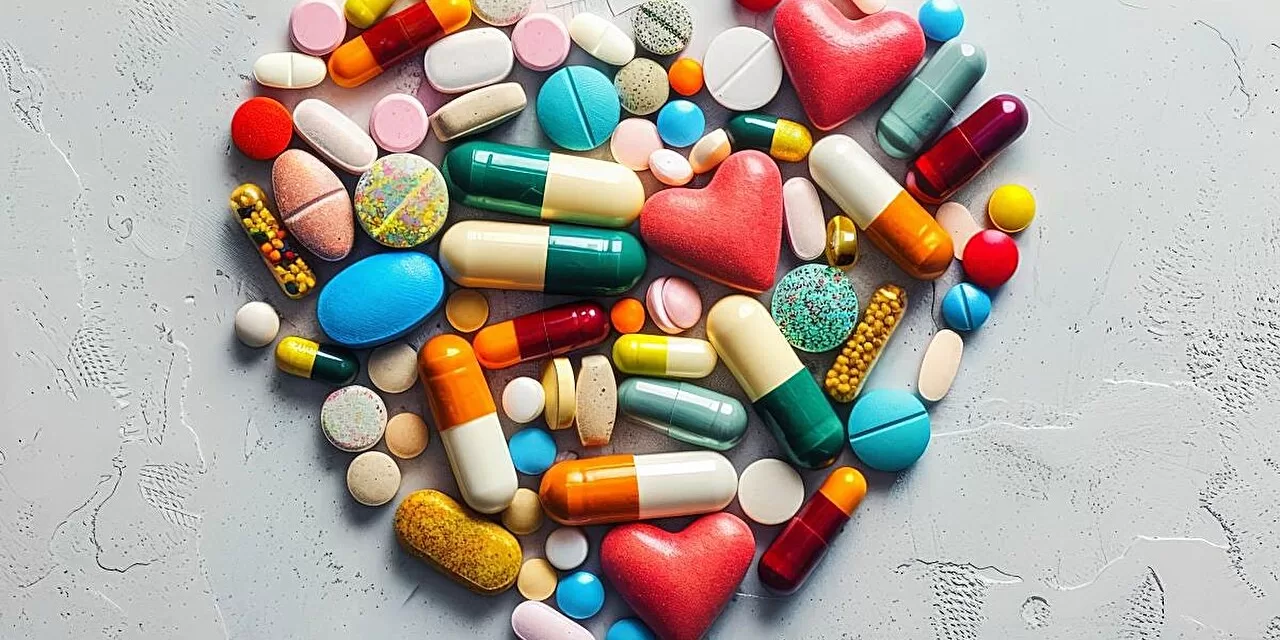
For the average consumer, a “bulk drug” might sound like a wholesale purchase at a pharmacy. In medical manufacturing, however, these are Active Pharmaceutical Ingredients (APIs)—the biologically active component of a drug that produces the intended health effect.
If a blood pressure pill were a cake, the API would be the flour; without it, the final product cannot exist. For years, India has excelled at making the “cake” (finished formulations) but has relied heavily on external sources for the “flour.”
“Self-reliance in APIs is not just an economic goal; it is a matter of national health security,” says Dr. Aranya Sen, a public health policy analyst not involved in the government report. “When we rely on a single source for critical raw materials, any geopolitical or logistical disruption can lead to a shortage of essential medicines like antibiotics or cardiac drugs on our local pharmacy shelves.”
The Blueprint: Three Parks, One Goal
The Department of Pharmaceuticals is currently overseeing the Scheme for Promotion of Bulk Drug Parks. Unlike the Production Linked Incentive (PLI) schemes—which reward companies based on their sales—this specific scheme focuses on building the “cities” where these drugs are made.
The three approved parks represent a combined project cost of over ₹6,306.68 crore. Each park receives up to ₹1,000 crore in Central assistance to build world-class shared facilities, including:
-
Common Effluent Treatment Plants (CETPs): Essential for managing the chemical waste produced during drug synthesis.
-
Subsidized Utilities: Low-cost power, water, and steam to reduce manufacturing overhead.
-
Advanced Warehousing: Specialized storage for volatile chemical precursors.
By centralizing these high-cost utilities, the government hopes to make Indian-made APIs price-competitive with global imports, ultimately leading to more stable medicine prices for the general public.
Beyond Bulk Drugs: The Rise of MedTech
While the Bulk Drug Parks are concentrated in the north and west, the government clarified that other regions are seeing significant growth in medical technology. In Tamil Nadu, for instance, a world-class Medical Devices Park is nearing completion in Kanchipuram.
As of December 2025, 199 medical device manufacturers have been allotted land across three national parks (located in Uttar Pradesh, Madhya Pradesh, and Tamil Nadu). Currently, 34 units have already begun construction. This shift aims to reduce the cost of high-tech medical equipment, from imaging devices to cardiac implants, which are often the largest expense in hospital billing.
Key Financial Pillars of the Transformation
| Scheme | Outlay | Primary Objective |
| Bulk Drug Park Scheme | ₹3,000 Cr | Developing shared infrastructure for API manufacturing. |
| PLI for Bulk Drugs | ₹6,940 Cr | Financial incentives for 41 identified critical raw materials. |
| PLI for Pharmaceuticals | ₹15,000 Cr | Boosting production of high-value goods like biopharmaceuticals. |
| PRIP Scheme | ₹5,000 Cr | Strengthening R&D and industry-academia collaboration through 2030. |
Innovation and the Road Ahead
The government is also looking toward the future of medicine through the Promotion of Research and Innovation in Pharma-MedTech Sector (PRIP) scheme. This ₹5,000 crore initiative has established seven “Centres of Excellence” at National Institutes of Pharmaceutical Education and Research (NIPER). Notably, the NIPER in Hyderabad has been designated as the hub for Bulk Drug innovation.
For the consumer, this means that the next generation of “complex generics”—drugs that are harder to copy, such as certain cancer treatments or autoimmune therapies—could be discovered and manufactured entirely within Indian borders.
Challenges and Considerations
Despite the momentum, industry experts urge cautious optimism. “Infrastructure is the first step, but the regulatory environment must keep pace,” notes Sarah Williams, a pharmaceutical supply chain consultant. “We must ensure that while we speed up production, we maintain the highest international quality standards (GMP) to ensure patient safety remains the priority.”
Furthermore, while states like Tamil Nadu may not have a “Bulk Drug Park” under the specific ₹3,000 crore scheme, they remain hubs for finished medicine production, with 16 manufacturing units currently operating under the broader PLI scheme for pharmaceuticals.
What This Means for You
For the health-conscious citizen, these developments signal a future with:
-
Lower Risk of Shortages: Domestic production reduces the chance of pharmacies running out of critical medications during global crises.
-
Potential Cost Savings: Lower production costs for manufacturers can, over time, translate to more affordable medications for chronic conditions.
-
Advanced Treatments: Local research into “biosimilars” (complex biological medicines) may bring down the price of expensive treatments for diseases like rheumatoid arthritis or cancer.
Medical Disclaimer: This article is for informational purposes only and should not be considered medical advice. Always consult with qualified healthcare professionals before making any health-related decisions or changes to your treatment plan. The information presented here is based on current research and expert opinions, which may evolve as new evidence emerges.
References and Sources
-
Primary Source: Press Information Bureau (PIB) Delhi, “Bulk Drug Parks Update,” Posted 13 FEB 2026.