 0
0
 0
0
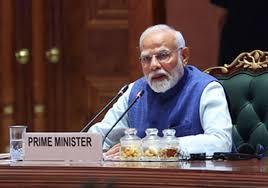
Addis Ababa — In a landmark diplomatic event that promises to reshape healthcare dynamics in East Africa, Indian Prime Minister Narendra Modi arrived in Ethiopia this week for a historic state visit, becoming the first Indian premier to do so in over a decade. The visit, characterized by warm embraces and high-level dialogues with Ethiopian Prime Minister Abiy Ahmed Ali, culminated in the elevation of bilateral ties to a “Strategic Partnership,” with the health sector emerging as a cornerstone of this new era of cooperation.
For healthcare professionals and policy experts, the visit signals a pivotal shift from traditional aid to robust, two-way medical commerce and capacity building. As Ethiopia strives to overhaul its healthcare infrastructure, India’s established role as the “Pharmacy of the World” offers a symbiotic solution that goes beyond mere transactional trade.
A Strategic Prescription for Growth
The centerpiece of the health-focused agreements is the commitment to “health security” as a pillar of the new strategic partnership. Prime Minister Modi, addressing a joint press briefing, emphasized the deep historical bonds between the two nations and outlined a roadmap that includes upgrading the Mahatma Gandhi Memorial Hospital in Addis Ababa.
“We have decided to elevate India-Ethiopia relations to a Strategic Partnership,” Modi stated. “This step will provide new energy, new momentum, and new depth to our ties, particularly in health security and capacity building.”
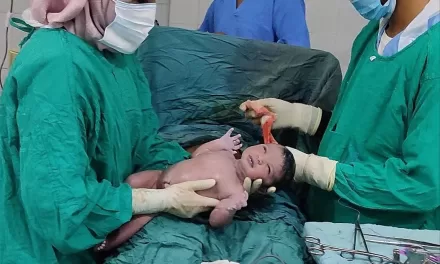
The specific focus on the Gandhi Memorial Hospital—a key public facility specializing in maternal and neonatal care—is significant. India has pledged support to augment the hospital’s capacity, a move that Tariku Deressa, the hospital’s CEO, described as a potential game-changer.
“The arrival of His Excellency will boost and capacitate every activity we have been doing,” Deressa told reporters. “India has one of the largest medical industries in the world. This visit serves as a mighty opportunity for Ethiopia to explore that potential, not just in aid, but in attracting Indian investors to set up factories and services here.”
From Imports to Indigenous Manufacturing
While India has long been a primary source of pharmaceutical imports for Ethiopia, the new dialogue emphasizes local manufacturing—a critical need for a nation facing foreign currency shortages and supply chain disruptions.
Indian pharmaceutical giants are already demonstrating the viability of this model. Kilitch Drugs India Ltd., for instance, has established a state-of-the-art manufacturing plant in Ethiopia.12 The facility, touted as the largest Cephalosporin (antibiotic) manufacturing plant in East Africa, boasts a capacity of 26.4 million vials annually—far exceeding the local demand of 16 million vials. This surplus allows Ethiopia to transition from a net importer to a potential exporter to neighboring African nations.
Mukund Mehta, Chairman of Kilitch Drugs, noted in a statement that “Africa has always been our focus market.there is more demand than supply in Ethiopia, so we see good business opportunities that also help the people.”
Similarly, Cadila Pharmaceuticals has operated a joint venture formulation facility in the country for years, employing local staff and transferring critical technical know-how. These investments align perfectly with Ethiopia’s “import substitution” strategy, aiming to reduce the country’s $600+ million annual pharmaceutical import bill.
The Medical Tourism Bridge
Beyond manufacturing, the visit highlighted the robust “Medical Value Travel” corridor. India remains the top destination for Ethiopian patients seeking advanced medical procedures that are currently unavailable domestically, such as complex cardiac surgeries, oncology treatments, and organ transplants.
Estimates suggest that approximately 3,500 Ethiopians travel abroad annually for medical reasons, with a significant majority choosing India due to cost-effectiveness and quality. Procedures in India can cost 60% less than in Western nations, yet they offer world-class clinical outcomes.
Ethiopian Ambassador to India, Demeke Atnafu Ambulo, has been a vocal advocate for streamlining this process. In recent forums, he has emphasized “bridging connections through medical value travel,” urging Indian hospital chains to not only treat patients but to invest in tertiary care facilities within Ethiopia to reduce the need for travel.
Challenges and Limitations
Despite the optimism, the road ahead is not without hurdles. A comprehensive report must acknowledge the operational challenges Indian companies face in Ethiopia. The primary bottleneck remains the acute shortage of foreign currency, which hampers the import of essential active pharmaceutical ingredients (APIs) and machinery parts needed for local factories.
Furthermore, while medical tourism provides a lifeline, it highlights a disparity in access.21 The cost of travel and treatment, though lower than in the West, remains prohibitive for the average Ethiopian citizen, creating a “two-tier” access system. Navigating medical visas and logistical arrangements also remains a complex hurdle for many patients, though agencies like Divinheal and direct partnerships with Ethiopian Airlines are attempting to streamline these pathways.
Regulatory backlogs at the Ethiopian Food and Drug Authority (EFDA) have also been cited by industry insiders as a barrier to the swift introduction of new medicines, though capacity-building agreements signed during this visit aim to address such administrative bottlenecks.
Implications for Public Health
For the general public, this strengthened partnership promises tangible benefits. The influx of Indian manufacturing technology is expected to stabilize the supply of essential medicines, reducing the frequency of stockouts for critical antibiotics and chronic disease medications.
“The doubling of scholarships for Ethiopian students to study in India is perhaps the most impactful long-term investment,” notes a public health policy analyst. “Returning doctors and specialists bring back not just skills, but a culture of advanced clinical practice that can transform local institutions.”
Conclusion
PM Modi’s visit to Ethiopia is more than a diplomatic formality; it is a strategic alignment of needs and capabilities. By marrying India’s medical industrial might with Ethiopia’s growing market and development goals, the two nations are poised to create a healthcare ecosystem that is more self-reliant, accessible, and robust. As the “Strategic Partnership” takes shape, the true measure of success will be seen in the factories built in Oromia and the lives saved in the wards of the Gandhi Memorial Hospital.
Medical Disclaimer:
This article is for informational purposes only and should not be considered medical advice. Always consult with qualified healthcare professionals before making any health-related decisions or changes to your treatment plan. The information presented here is based on current research and expert opinions, which may evolve as new evidence emerges.
References:
- https://tennews.in/pm-modis-visit-mighty-opportunity-for-ethiopia-to-bolster-ties-with-indian-medical-industry/