 0
0
 0
0
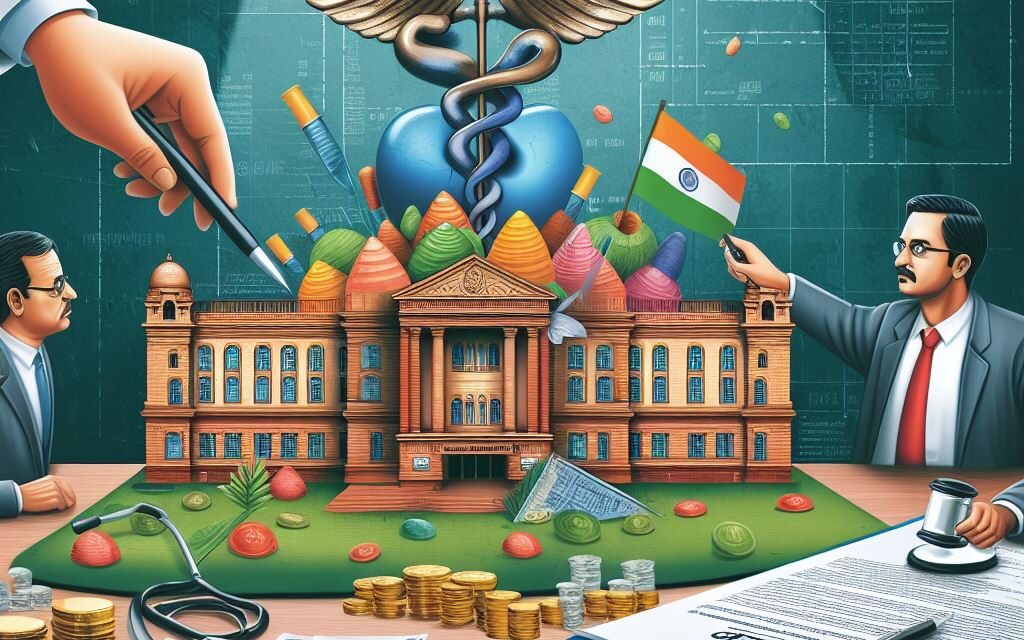
The Indian government has taken significant measures to enhance healthcare services in rural areas dominated by tribal, Other Backward Classes (OBC), Scheduled Castes (SC), and Scheduled Tribes (ST) populations. Central to this effort is the National Health Mission (NHM), which aims to provide equitable, affordable, and quality healthcare through a robust three-tier primary healthcare system.
Relaxed Norms Ensure Access in Tribal and Hilly Regions
The primary healthcare infrastructure comprises Sub Health Centres (SHCs), Primary Health Centres (PHCs), and Community Health Centres (CHCs). To improve coverage in tribal and hilly areas, the government has relaxed the population norms for establishing these facilities. For instance, the population requirement to set up an SHC has been reduced from 5,000 to 3,000 in these regions, facilitating wider geographic accessibility.
Incentives to Attract Specialists to Rural Areas
To address the shortage of health specialists in remote locations, NHM provides various incentives, including hard area allowances and honorariums for specialists such as gynecologists, pediatricians, and anesthetists. States may also provide negotiable salaries and non-monetary incentives like preferential admissions to postgraduate courses and improved accommodation. Additionally, the mission encourages multi-skilling and skill upgradation of doctors to enhance healthcare quality.
Mobile Medical Units Serve Underserved Regions
Mobile Medical Units (MMUs) play a vital role in delivering primary healthcare services directly to remote and tribal populations. As of December 2024, 1,498 MMUs are operational under NHM, with 694 dedicated to areas housing Particularly Vulnerable Tribal Groups (PVTGs). These units provide preventive, promotive, and curative care to populations lacking easy access to healthcare facilities.
Focus on Maternal and Child Health
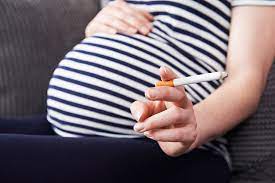
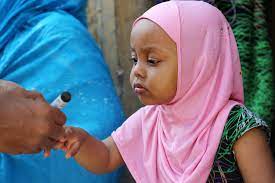
NHM supports numerous initiatives to improve maternal and child health outcomes among OBC, SC, and ST communities. Programs such as Janani Suraksha Yojana (JSY), Pradhan Mantri Surakshit Matritva Abhiyan (PMSMA), and Anaemia Mukt Bharat (AMB) aim to reduce maternal and infant mortality rates. Other efforts include the establishment of Maternal and Child Health Wings, Nutrition Rehabilitation Centres, and Universal Immunization Programmes to ensure comprehensive care.
These combined efforts underscore the government’s commitment to reducing healthcare disparities and ensuring that vulnerable populations in rural and tribal areas receive timely and quality medical care.
Disclaimer: This article is based on information provided by the Press Information Bureau (PIB) of India as of August 8, 2025, and reflects the government’s stated policies and programs related to healthcare infrastructure and services in tribal and OBC/SC dominated rural areas.