 0
0
 0
0
A recent phase 3 clinical trial published by The BMJ has found that patients with weak heart function who receive stem cell therapy shortly after a heart attack are significantly less likely to develop heart failure and related hospitalizations, compared to those receiving standard treatment. This promising research brings new hope for preventing a major complication following myocardial infarction (heart attack) that currently affects millions worldwide.
Key Findings of the Study
The PREVENT-TAHA8 trial enrolled 396 patients aged 18 to 65 in Iran, all experiencing their first acute ST segment elevation myocardial infarction with extensive heart muscle damage and reduced left ventricular ejection fraction (LVEF)—a measurement of the heart’s pumping efficiency. Patients were randomized to receive either an intracoronary infusion of Wharton’s jelly-derived mesenchymal stem cells (MSCs) or standard care, and were followed up over three years.
Results showed that stem cell recipients had a 57 percent lower risk of developing heart failure and a 78 percent reduction in hospital admissions due to heart failure than the standard care group. The stem cell therapy group also exhibited an approximate 6 percent absolute improvement in LVEF at six months, indicating enhanced cardiac function. Notably, no significant adverse events related to stem cell infusion, such as arrhythmias or immune reactions, were observed during long-term monitoring.
Expert Perspectives
Dr. Armin Attar of Shiraz University, lead investigator of the study, emphasized the significance of these findings: “This trial marks an important advancement by demonstrating that mesenchymal stem cells derived from Wharton’s jelly, when delivered shortly after a heart attack, can effectively mitigate the progression to heart failure. This therapy represents a valuable add-on to current treatments for this vulnerable patient population”.
Hina Chaudhry, M.D., a cardiologist at Icahn School of Medicine at Mount Sinai in New York, who was not involved in the trial, highlighted the clinical importance: “Heart failure is a leading cause of hospitalization and mortality globally. These findings open avenues for therapies that not only improve survival but also quality of life by reducing hospital visits”.
Context and Background
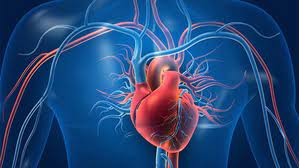
Heart attacks cause irreversible damage to cardiac muscle, compromising its ability to pump blood efficiently. This often leads to chronic heart failure, a condition where the heart cannot meet the body’s circulatory demands, causing symptoms such as fatigue, breathlessness, and fluid retention. Current treatments focus on symptom management and slowing disease progression, with heart transplants and mechanical pumps being last-resort options.
Stem cells have the inherent capacity to differentiate into various cell types, providing a theoretical basis for regenerating damaged heart tissue. Earlier research on bone marrow-derived stem cells yielded mixed results regarding mortality benefit and cardiac function improvements post-heart attack. The current trial innovatively used mesenchymal stem cells from Wharton’s jelly—a substance found in umbilical cords—enabling faster preparation and delivery, which may amplify therapeutic effects.
Implications for Public Health
If replicated and validated in diverse populations and broader age groups, stem cell therapy could transform the management of post-heart attack patients by markedly reducing the incidence of heart failure, a condition affecting over 80 million people worldwide. Reduced hospital admissions also imply decreased healthcare costs and less patient burden.
Beyond direct heart tissue regeneration, emerging studies suggest stem cells may promote heart repair by secreting proteins that modulate inflammation and stimulate the body’s own repair mechanisms, a concept termed “healing from within.” Cell-free therapies based on these secreted factors are under investigation and may offer scalable, cost-effective alternatives in the future.
Potential Limitations and Counterarguments
While this trial provides robust evidence, some limitations should be noted. About 80 percent of participants were male, leaving questions about efficacy in females, who tend to face higher heart failure risks after heart attacks. The study population was limited to individuals younger than 65 years, and it remains unclear whether older patients with reduced regenerative capacity would achieve similar benefits.
Moreover, although the therapy improved heart function and reduced hospitalizations, it did not demonstrate a statistically significant reduction in mortality during the study period. Long-term outcomes, larger multi-center trials, and real-world studies are needed before widespread adoption.
Practical Implications for Readers
For patients recovering from a heart attack, these findings highlight the development of novel therapies that may one day reduce complications like heart failure. However, stem cell therapy remains experimental and is not yet part of standard care outside clinical trials. Patients should continue to follow prescribed treatments, adopt heart-healthy lifestyles, and discuss emerging therapies with their healthcare providers.
Medical Disclaimer
This article is for informational purposes only and should not be considered medical advice. Always consult with qualified healthcare professionals before making any health-related decisions or changes to your treatment plan. The information presented here is based on current research and expert opinions, which may evolve as new evidence emerges.
References