 0
0
 0
0
For millions of women entering their postmenopausal years, the morning routine begins with a choice: the robust kick of coffee or the soothing warmth of tea. While these beverages are often debated for their effects on heart health or cognitive function, a significant new long-term study suggests they may also be playing a subtle tug-of-war with bone mineral density (BMD).
The study, published in the peer-reviewed journal Nutrients, followed nearly 10,000 older women over a decade. The findings offer a nuanced look at our favorite caffeinated habits: while high coffee consumption was linked to lower bone density—particularly in women who also consume alcohol—tea drinkers showed a slight, protective advantage in hip bone strength.
The Strength in the Steep
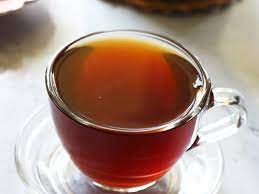
The research, led by Dr. Enwu Liu and Ryan Liu of Flinders University in Australia, analyzed data from 9,704 women aged 65 and older participating in the Study of Osteoporotic Fractures (SOF). Over an eight-year median follow-up, researchers found that tea consumption was positively associated with bone mineral density in the total hip.
While the “boost” from tea was statistically significant, it was not dramatic. The mean difference in BMD was 0.003 $g/cm^2$. To put that in perspective, postmenopausal women typically lose bone density at a rate of 0.002 to 0.006 $g/cm^2$ per year.
“The observed difference of 0.003 $g/cm^2$ at the hip corresponds to roughly a one-year delay in age-related BMD decline among tea drinkers compared with nondrinkers,” Dr. Enwu Liu explained in an interview. “Although this difference may appear modest at the individual level, when considered across the large population of tea consumers, the potential public health impact is meaningful.”
The Coffee Conundrum
For coffee lovers, the news requires a bit more context. The study found no significant negative impact on bone health for those drinking a moderate two to three cups per day. However, the data shifted when consumption reached “heavy” levels.
Using natural spline regression—a statistical method that tracks trends across a spectrum—the researchers found that drinking more than five cups of coffee per day was associated with lower BMD. This effect was notably amplified in women with a higher lifetime intake of alcohol, suggesting a cumulative lifestyle impact on skeletal integrity.
“Our results don’t mean you need to give up coffee or start drinking tea by the gallon,” Dr. Liu noted. “But they do suggest that moderate tea consumption could be one simple way to support bone health, and that very high coffee intake might not be ideal.”
Why the Difference? The Biology of the Brew
The diverging effects of coffee and tea likely stem from their unique chemical profiles.
The Case Against Excessive Coffee:
Coffee is high in caffeine, which acts as an antagonist to adenosine receptors. In lab settings, caffeine has been shown to potentially inhibit bone formation and enhance “bone resorption”—the process where bone tissue is broken down. It may also interfere with how the body uses Vitamin D. However, the authors noted that in humans, this effect is usually minimal unless the person already has a significant calcium deficiency.
The Case For Tea:
Tea is rich in bioactive compounds called flavonoids and catechins (specifically epigallocatechin).
“These compounds, which are also found in fruits and dark chocolate, can promote osteoblast activity—the cells that build bone—and inhibit the cells that break it down,” says Dr. Liu.
| Beverage | Primary Compound | Potential Bone Effect |
| Coffee (>5 cups/day) | Caffeine | May increase bone resorption |
| Tea (Any amount) | Catechins/Flavonoids | May promote osteoblast (bone-building) activity |
Expert Perspective: Context is Key
Independent experts urge caution before changing dietary habits based on these findings alone.
“This study provides valuable longitudinal data, but it’s important to remember that the associations are small,” says Dr. Sarah Jenkins, a skeletal health specialist not involved in the study. “The most critical takeaway for postmenopausal women isn’t necessarily to swap coffee for tea, but to ensure they are meeting their baseline requirements for calcium and Vitamin D, which have a much more profound impact on fracture risk.”
The study authors also highlighted several limitations. The data relied on self-reported questionnaires, which are prone to memory errors, and did not account for “brew strength” or whether participants added bone-damaging sugars to their tea. Furthermore, because the study focused almost exclusively on older White women in the U.S., the results may not apply to other ethnicities or age groups.
Practical Takeaways for Your Health
So, what does this mean for your morning mug?
-
Moderation is Maintenance: If you enjoy coffee, sticking to under four cups a day appears to have no significant negative impact on your bones.
-
The “Tea Perk”: Adding a cup of unsweetened black or green tea to your day may provide a “bonus” year of bone preservation over a decade.
-
Mind the Mix-ins: High sugar intake is linked to poorer bone health. If you’re drinking tea for its health benefits, keep it unsweetened.
-
Consider the “Alcohol Factor”: If you are a regular consumer of alcohol, being mindful of your coffee intake becomes more important for maintaining your skeletal density.
While tea may offer a slight edge, Ryan Liu, the study’s first author, reminds us of the fundamentals. “While calcium and vitamin D remain cornerstones of bone health, what’s in your cup could play a role too. For older women, enjoying a daily cup of tea may be more than a comforting ritual; it could be a small step toward stronger bones.”
Medical Disclaimer: This article is for informational purposes only and should not be considered medical advice. Always consult with qualified healthcare professionals before making any health-related decisions or changes to your treatment plan. The information presented here is based on current research and expert opinions, which may evolve as new evidence emerges.
References
Primary Study:
https://www.medscape.com/viewarticle/coffee-tea-and-bmd-effects-bones-small-notable-2025a10010oe