 0
0
 0
0
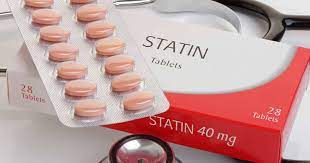
A new study has found that statins, widely prescribed for lowering cholesterol, may also play a crucial role in reducing deaths from sepsis—a life-threatening response to infection. The research, led by scientists at Tianjin Medical University, analyzed a large, matched cohort of patients and found a significant association between statin use and lower mortality rates in those suffering from sepsis.
Sepsis is a major global health concern, responsible for millions of deaths each year. The condition occurs when the body’s response to infection causes widespread inflammation, leading to organ failure and, in severe cases, death. Despite advances in medical care, effective treatments to improve survival rates remain limited.
The study’s lead author, Associate Professor at Tianjin Medical University, explained, “Our large, matched cohort study suggests that statin therapy is associated with a lower risk of death in patients with sepsis. This finding could have important implications for the management of sepsis in clinical practice.”
Statins are primarily used to manage cholesterol levels and reduce the risk of cardiovascular disease. However, previous research has hinted at their potential anti-inflammatory and immunomodulatory effects, which may explain their benefit in sepsis patients.
While the findings are promising, the researchers caution that more clinical trials are needed to confirm the results and determine the best protocols for integrating statins into sepsis treatment.
Disclaimer
This article is for informational purposes only and does not constitute medical advice. The findings discussed are based on a recent study and further research is needed. Always consult a qualified healthcare professional before making any changes to your medication or treatment plan.