 0
0
 0
0
NEW DELHI – A comprehensive multi-city study led by the All India Institute of Medical Sciences (AIIMS), New Delhi, has uncovered a concerning trend in the nation’s schools: children are experimenting with addictive substances far earlier than previously understood, with the average age of initiation dropping to just 12.9 years.
The alarming findings, published this month in the National Medical Journal of India, indicate that the window for prevention is closing earlier than policymakers realized. The study suggests that by the time students reach middle school, many have already been exposed to tobacco, alcohol, inhalants, or pharmaceutical opioids, prompting urgent calls for health interventions to begin as early as primary school.
The Study: A Snapshot of Urban Adolescence
Spearheaded by the National Drug Dependence Treatment Centre (NDDTC) at AIIMS, researchers surveyed 5,920 students across grades 8, 9, 11, and 12. The study covered a diverse geographic spread, collecting data from 10 major cities including Delhi, Mumbai, Bengaluru, Lucknow, Chandigarh, Hyderabad, Imphal, Jammu, Dibrugarh, and Ranchi.
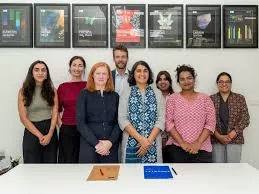
Dr. Anju Dhawan, Chief of the NDDTC and the study’s lead investigator, aimed to move beyond anecdotal evidence and provide a robust epidemiological picture of adolescent substance use in urban India. The results offer a stark reality check:
-
15.1% of surveyed students reported using a psychoactive substance at least once in their lifetime.
-
10.3% had used a substance in the past year.
-
7.2% reported use within the past month.
While the mean age of the students surveyed was 14.7 years, the data revealed that the average age of first use was approximately 13 years. Even more concerning, specific substances showed even earlier entry points: inhalants (often cheap and easily accessible items like correction fluid or glue) had an average initiation age of just 11.3 years.
Beyond Tobacco and Alcohol: The Shifting Landscape
While tobacco (4%) and alcohol (3.8%) remain the most common substances used in the past year, the study highlighted a “silent epidemic” of pharmaceutical abuse.
-
Opioids: 2.8% of students reported using opioids, with the vast majority (over 90%) misusing non-prescribed pharmaceutical pills rather than illicit street drugs like heroin.
-
Inhalants & Cannabis: Inhalant use stood at 1.9%, and cannabis use at 2%.
“The shift toward pharmaceutical opioids is particularly dangerous because these pills often carry a veneer of safety or legitimacy in a child’s mind,” notes Dr. Achal Bhagat, a Senior Consultant Psychiatrist at Indraprastha Apollo Hospital, who was not involved in the study. “When you combine that misconception with easy access in home medicine cabinets, you have a recipe for rapid dependency.”
The “Why” and “Who”: Risk Factors and Demographics
The study dismantled the myth that substance abuse is solely a result of peer pressure. While peer influence remains significant, the data points to a strong correlation between emotional distress and substance use.
Students who had used substances in the past year were significantly more likely to score high on psychological difficulty scales, exhibiting symptoms of conduct problems, hyperactivity, and emotional instability. This suggests that for many adolescents, substance use is a form of self-medication for untreated mental health struggles.
Key Demographic Trends:
-
The Grade Gap: Vulnerability increases sharply with age. Students in grades 11 and 12 were found to be two times more likely to report substance use compared to their counterparts in grade 8.
-
Gender Nuances: While boys generally reported higher usage rates, the study identified a worrying rise in inhalant and pharmaceutical opioid use among girls. Experts suggest girls may be turning to these specific substances as a discreet method of coping with anxiety or depression.
-
Family Influence: The home environment plays a critical role. Approximately 40% of student users reported that a family member used tobacco or alcohol, normalizing the behavior early on.
A Call for Structural Change
The study’s authors argue that current prevention programs, which often target high schoolers, are arriving too late. With initiation starting at age 11 or 12 for inhalants and opioids, the consensus is that prevention curricula must be integrated into primary school education.
“We are seeing a clear escalation ladder,” the study notes. “Interventions need to target not just the refusal skills for drugs, but the underlying emotional resilience of the child.”
Dr. Bhagat agrees, emphasizing the biological stakes. “The adolescent brain is in a critical state of development. introducing neurotoxic substances at age 12 or 13 can permanently alter neural pathways related to impulse control and reward, making addiction a lifelong struggle. If we don’t intervene early, we are effectively setting them up for failure.”
Implications for Parents and Schools
For parents and educators, the takeaway is to look for subtle signs of distress long before physical signs of addiction appear.
-
Availability is High: Nearly half (46.3%) of students believed tobacco was “easily available” to someone their age, and over a third said the same for alcohol.
-
Monitor Mental Health: Sudden changes in academic performance, withdrawal from family activities, or increased secrecy can be early red flags of both emotional distress and substance experimentation.
The findings from AIIMS serve as a critical evidence base for the government’s Nasha Mukt Bharat Abhiyaan (Drug-Free India Campaign), suggesting that the battlefield for a drug-free future lies in the classrooms of middle and primary schools.
Medical Disclaimer: This article is for informational purposes only and should not be considered medical advice. Always consult with qualified healthcare professionals before making any health-related decisions or changes to your treatment plan. The information presented here is based on current research and expert opinions, which may evolve as new evidence emerges.
References
-
Primary Study: Dhawan, A., et al. (2025). Pattern and profile of substance use among school-going adolescents in ten cities of India. National Medical Journal of India.
-
Institutional Source: National Drug Dependence Treatment Centre (NDDTC), All India Institute of Medical Sciences (AIIMS), New Delhi.