 0
0
 0
0
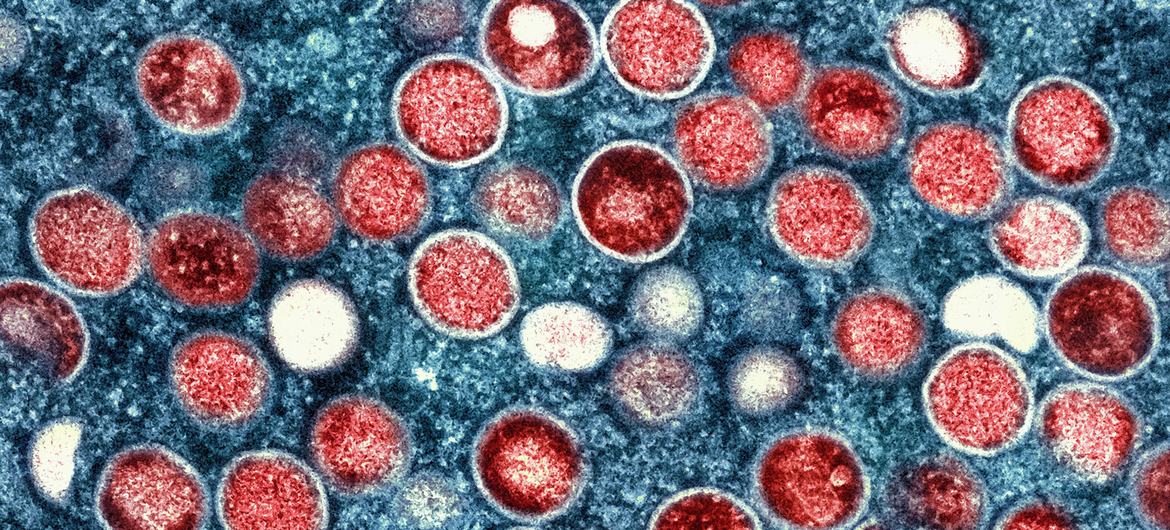
MADRID — Spanish health authorities and researchers have confirmed the first documented case of human-to-human transmission of the potentially severe Mpox Clade 1b strain outside of Africa that has no epidemiological link to travel. The case details, published this week in the International Journal of Infectious Diseases, mark a pivotal shift in the global understanding of the virus’s spread, signalling that the strain may be circulating undetected in European sexual networks.
The patient, a 49-year-old man from Madrid, had no history of travel to endemic regions in Africa, nor did his recent sexual partners. Notably, the patient was fully vaccinated against mpox, raising urgent questions about vaccine efficacy and the potential need for booster protocols against this evolving strain.
A “Silent” Spread Confirmed
According to the case report released on December 13, 2025, the patient presented to a clinic in Madrid on October 10 with a genital ulcer and painful, swollen lymph nodes—classic symptoms of the disease. Unlike previous Clade 1b cases detected in Sweden, the UK, and elsewhere, which were directly linked to travel in Central Africa, this patient had remained in Spain.
“To our knowledge, this is the first report of a case of Mpox Clade 1b without epidemiological history of travel to Africa in the index patient or their previous sexual contacts,” stated Dr. Jorge-Alfredo Pérez-García, a lead author of the study from the Centro Sanitario Sandoval/Hospital Clínico San Carlos in Madrid.
The patient reported sexual contact with two local partners, neither of whom had traveled to endemic zones. This absence of a “patient zero” link suggests that the chain of transmission was already established within the local community before this case was identified.
Clade 1b: A More Concerning Variant
The specific strain identified, Clade 1b, emerged in the Democratic Republic of the Congo (DRC) in 2023 and has been the driver of a severe outbreak in Central Africa that prompted the World Health Organization (WHO) to declare a Public Health Emergency of International Concern (PHEIC) in August 2024.
Historically, Clade 1 strains have been associated with higher severity and mortality rates (up to 10% in some outbreaks) compared to the Clade 2b strain that caused the global outbreak in 2022. While Clade 1b appears to have a lower fatality rate than historic Clade 1 strains—estimated around 1% in recent data—it is still considered more virulent than Clade 2.
“The confirmation of autochthonous [locally acquired] transmission in Spain changes the risk profile for Europe,” said Dr. Elena Martinez, an infectious disease specialist in Barcelona who was not involved in the study. “We are no longer just looking for travelers returning from the DRC. We must now assume the virus could be present in our local communities, particularly within high-risk sexual networks.”
Vaccination Breakthrough Raises Questions
One of the most significant findings in the Madrid case is that the patient had received two doses of the Imvanex (MVA-BN) vaccine, the standard preventive regimen recommended by European health agencies.
While the patient recovered and his symptoms were relatively contained, the fact that he was infected despite full vaccination—a “breakthrough infection”—highlights potential limitations in current immunity against Clade 1b.
“Vaccines remain our best tool, and they likely prevented this patient from suffering severe systemic illness,” Dr. Martinez noted. “However, this case suggests that while two doses provide strong protection against severe disease, they may not completely block transmission of this specific clade. We need more data to determine if antibody levels wane faster than expected or if Clade 1b requires a modified vaccine strategy.”
Recent studies from the European Centre for Disease Prevention and Control (ECDC) and Charité – Universitätsmedizin Berlin have indicated that while the vaccine is highly effective (approx. 84% after one dose in healthy individuals), protection can be lower in immunocompromised populations or wane over time.
A Wider Pattern of Spread
The confirmation in Spain is not an isolated incident but part of a concerning pattern emerging in late 2025. Following the initial detection in Madrid in October, sporadic cases of locally acquired Clade 1b have also been reported in the Netherlands, Italy, Portugal, and the United States (California).
In response, the ECDC has urged renewed vigilance, advising healthcare providers to test for mpox in any patient presenting with compatible symptoms—regardless of travel history.
“Maintaining surveillance and precautionary measures is essential to prevent a potential spread in cases caused by clade Ib in non-endemic areas,” Dr. Pérez-García warned in the report.
Public Health Implications
Health authorities are urging the public, particularly men who have sex with men (MSM) and those with multiple sexual partners, to remain vigilant. Key recommendations include:
-
Vaccination: Completing the two-dose regimen of the mpox vaccine is critical.
-
Symptom Awareness: Recognizing early signs such as rashes, fever, and swollen lymph nodes.
-
Safe Practices: Reducing the number of new sexual partners during outbreaks can significantly lower risk.
Despite the news, experts caution against panic. “The risk to the general public remains low,” Dr. Martinez emphasized. “Transmission still primarily occurs through close, skin-to-skin contact. We have the tools to control this, provided we act quickly and follow the science.”
Medical Disclaimer
Medical Disclaimer: This article is for informational purposes only and should not be considered medical advice. Always consult with qualified healthcare professionals before making any health-related decisions or changes to your treatment plan. The information presented here is based on current research and expert opinions, which may evolve as new evidence emerges.
References
-
India Tribune. (2025, December 13). “Spain confirms 1st human transmission of mpox clade 1b outside Africa.”
… Spain confirms 1st human transmission of mpox clade 1b outside Africa …
The video provides a summary of the breaking news regarding the confirmed human-to-human transmission of Mpox Clade 1b in Spain, offering a visual overview of the key facts discussed in the article.