 0
0
 0
0
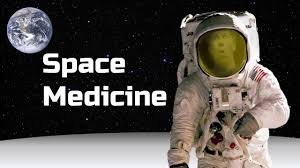
MILAN—The intersection of space exploration and medical science is yielding unexpected breakthroughs, particularly in hematology, as highlighted at this year’s European Hematology Association (EHA) Congress. A packed session titled “Space Hematology” showcased how research conducted aboard the International Space Station (ISS) is transforming our understanding of blood disorders and immune function, with implications for future clinical practice.
Space presents a unique environment for scientific inquiry, exposing astronauts and biological samples to microgravity, increased radiation, circadian disruption, and isolation. These conditions stress the human body in ways that reveal new insights into the mechanisms behind hemoglobinopathies, coagulation disorders, and immune dysfunction. According to Dr. Joseph Borg, a principal investigator at the University of Malta and NASA GeneLab, the accessibility and affordability of space-based research have improved dramatically, opening the door for more laboratories to participate in this frontier science.
Recent experiments have focused on how spaceflight affects blood cells, particularly platelets and megakaryocytes, which are crucial for clotting. Researchers have found that the risk of blood clots increases with the duration of space missions, posing significant challenges for astronaut health and requiring innovative treatments that could also benefit patients on Earth. The unique conditions of microgravity and cosmic radiation allow scientists to observe biological processes in ways that are not possible in terrestrial laboratories.
Space-based research is also driving technological innovation. Devices miniaturized for use in orbit—such as blood analyzers and sequencing platforms—are being adapted for use in rural or low-resource settings, potentially improving global access to advanced diagnostics. Additionally, experiments leveraging microgravity to concentrate microscopic substances in blood samples are advancing early cancer detection technologies, with the goal of making these powerful diagnostic tools widely accessible and affordable.
The inclusion of space hematology in the EHA Congress was a deliberate choice, reflecting the growing recognition of its potential impact. “Most hematologists are not experts in space medicine, but this is already in the news and may become part of our clinical routine in 10-15 years,” said Dr. Martin Dreyling, chair of the Scientific Program Committee for the EHA 2025 Congress. Young investigators are especially drawn to the field, attracted by its novelty, data richness, and opportunities for interdisciplinary collaboration.
As space research continues to mature, it promises to offer not only new insights into blood disorders but also innovative solutions for diagnosing and treating diseases on Earth.
Disclaimer:
This article is based on information presented at the European Hematology Association (EHA) Congress and related scientific developments. While every effort has been made to ensure accuracy, the content is intended for informational purposes only and should not be considered medical advice. Readers are encouraged to consult healthcare professionals for any health concerns. The views expressed in this article do not necessarily reflect those of the author’s employer or any affiliated organizations.