 0
0
 0
0
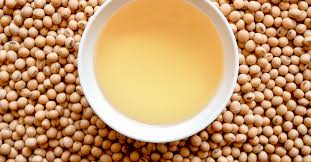
A recent study from the University of California, Riverside (UCR) uncovers how soybean oil, a staple in American diets providing nearly 10% of daily calories, may drive unexpected weight gain through liver metabolism changes in mice. Published in the Journal of Lipid Research, the research shows regular mice on high-fat diets rich in soybean oil gained significantly more weight than those on coconut oil, while genetically engineered mice resisted this effect due to altered processing of linoleic acid, the oil’s primary omega-6 fatty acid. These findings build on over a decade of UCR research linking soybean oil to obesity, diabetes, and fatty liver in rodents, raising questions about its role in human health trends.
Key Study Findings
In the experiment, wild-type mice fed a high-fat diet (35% calories from soybean oil) developed rapid weight gain, fatty livers, elevated liver lipids like triacylglycerols, and disrupted blood sugar control. Linoleic acid in the oil converted into oxylipins—oxidized lipid molecules—that correlated strongly with obesity; four specific oxylipins emerged as top predictors. Engineered mice expressing a specific liver protein isoform (P2-HNF4α) produced fewer harmful oxylipins, showed boosted mitochondrial energy use via higher ketone bodies and TCA cycle activity, and stayed lean despite identical calorie intake.
Unlike coconut oil diets, soybean oil raised cholesterol in mice despite lacking it naturally, hinting at metabolic shifts beyond mere fat content. Liver proteomics and metabolomics confirmed reduced enzymes in the oxylipin pathway (like CYP2J, EPHX1) in protected mice, slowing linoleic acid’s conversion to fat-storing signals. Inflammation markers remained stable, but lower obesity-linked cytokines and higher DHA (an anti-inflammatory fatty acid) appeared in engineered mice livers.
Background and Context
Soybean oil consumption has surged in the U.S. over the past century, fueled by its use in ultra-processed foods, restaurants, and home cooking. UCR’s prior studies since 2015 consistently showed soybean oil outperforming coconut oil or fructose in promoting mouse obesity (up to 25% more weight gain), insulin resistance, and gut issues like colitis vulnerability. A 2017 analysis tied omega-6 and omega-3 oxylipins from linoleic and alpha-linolenic acids directly to obesity metrics in livers.
The liver protein HNF4α, crucial for metabolism, binds linoleic acid; its isoforms dictate whether it forms protective or obesogenic paths. Humans vary genetically in these enzymes, potentially explaining diverse responses to high-linoleic diets, akin to how some process alcohol differently. Soybean oil now dominates vegetable oils, yet its polyunsaturated fats were long praised over saturated ones.
Expert Perspectives
“This may be the first step toward understanding why some people gain weight more easily than others on a diet high in soybean oil,” noted co-author Sonia Deol, a UCR project scientist. Senior author Frances Sladek added, “Soybean oil isn’t inherently evil. But the quantities in which we consume it are triggering pathways our bodies didn’t evolve to handle.” Sladek compared the timeline to tobacco-cancer links, urging faster recognition of excessive intake risks.
Outside researchers echo caution. Cardiologist Christopher Gardner from Stanford, not involved, views mouse data as hypothesis-generating: “Rodent livers process PUFAs differently than humans; we need trials swapping soybean for alternatives in people.” Nutritionist Marion Nestle emphasized context: “Processed foods with soybean oil pack calories; isolated effects are hard to parse without human RCTs.” No direct quotes from human experts appear in primary sources, but reviews affirm linoleic acid’s benefits in moderation for cholesterol.
Public Health Implications
If translatable, curbing soybean oil—especially hidden in snacks and fast food—could aid obesity fights, as U.S. adults average high linoleic intake (6-10% calories). Practical steps include choosing olive, avocado, or coconut oils for cooking, scanning labels for “vegetable oil,” and prioritizing whole foods. For health-conscious readers, this means balancing omega-6 with omega-3s from fish or flax, as excess linoleic may inflame via oxylipins, though modest amounts support essentials.
Daily decisions matter: 1.5 tablespoons of soybean oil may lower heart disease risk per FDA qualified claim when replacing saturated fats, aligning with American Heart Association nods for polyunsaturated oils. Yet rising obesity parallels seed oil ubiquity, prompting moderation.
Limitations and Counterpoints
All data stem from mice, limiting human applicability; rodent high-fat diets (35-60% fat) exceed typical human intake, exaggerating effects. Human trials show linoleic acid lowers LDL cholesterol and CHD risk versus saturated fats, with meta-analyses reporting 29% fewer events when substituting PUFAs. No inflammation or oxidative stress rises in people from soybean oil.
Genetic engineering targeted one protein variant rare in humans, and oxylipin causality remains unproven—enzyme blocks didn’t fully halt weight gain. Conflicting rodent studies on interesterified versions show mixed glucose impacts. Broader evidence supports soybean oil in healthy patterns per Dietary Guidelines.
References
- https://news.ucr.edu/articles/2025/11/26/study-links-americas-favorite-cooking-oil-obesity
- https://www.earth.com/news/unexpected-weight-gain-linked-to-a-common-cooking-oil/