 0
0
 0
0
December 10, 2025
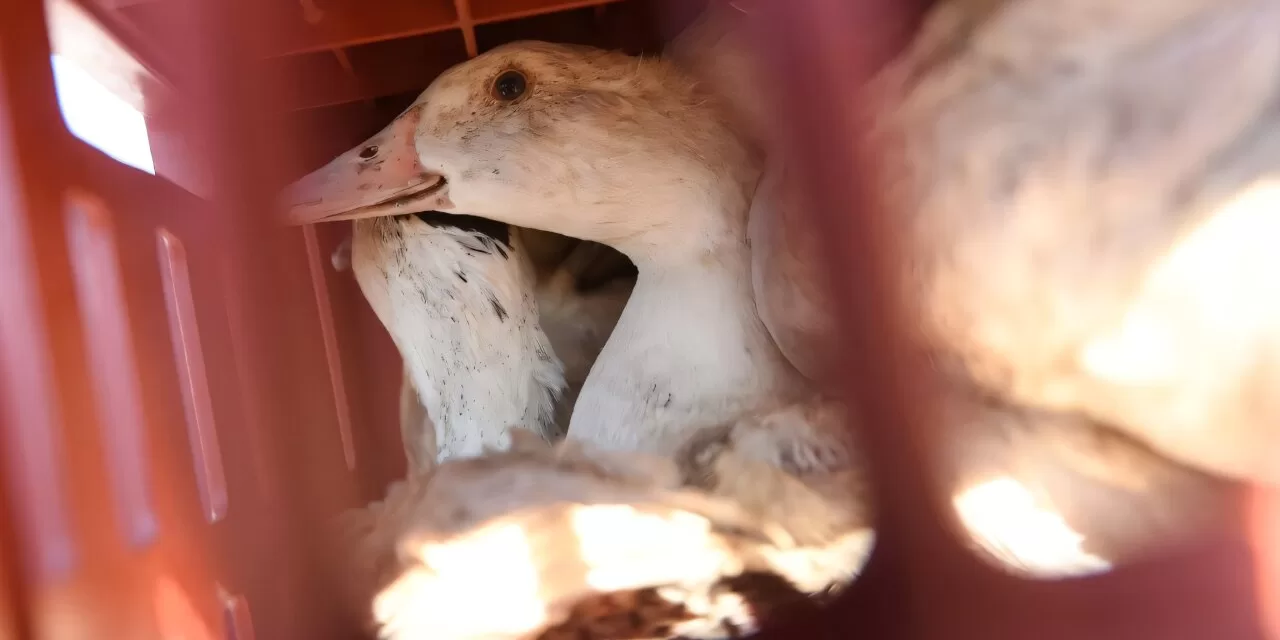
SEOUL — South Korean health and agricultural authorities have confirmed the nation’s eighth case of highly pathogenic avian influenza (HPAI) at a poultry facility this winter season. The latest outbreak, detected Tuesday at a duck farm in Yeongam, South Jeolla Province, marks a concerning shift in the virus’s trajectory, being the first confirmed infection in ducks for the 2024-2025 season. In response, the government has issued an immediate 24-hour nationwide standstill order for all duck farming operations to curb potential transmission.
The Outbreak: Breaking Down the Response
The Ministry of Agriculture, Food and Rural Affairs (MAFRA) reported that the H5 antigen was detected during a routine pre-shipment inspection of the farm, located approximately 380 kilometers south of Seoul. Subsequent testing confirmed the virus as a highly pathogenic strain, triggering emergency protocols.
“This detection is particularly critical as it represents the first breach into duck farming operations this season, which often present different containment challenges compared to chicken farms,” stated a spokesperson for the Central Disaster Management Headquarters (CDMH).
Authorities immediately cordoned off the affected site and have begun culling the farm’s entire flock to prevent the virus from spreading to neighboring facilities. The 24-hour standstill order applies to all duck farms, feed factories, and livestock vehicles nationwide, effectively freezing the movement of people and livestock to allow for intensive disinfection and surveillance.
Escalating Seasonal Risks
The confirmation in Yeongam comes amidst a heightened period of vulnerability for South Korea’s poultry industry. The 2024-2025 avian influenza season, which began with a case in a Paju poultry farm in September, has seen a steady accumulation of infections. While the first seven cases were confined to chicken farms, the shift to ducks—which can often carry the virus without showing severe symptoms—complicates surveillance efforts.
Recent data from the Ministry of Environment indicates a surge in migratory bird activity, a primary vector for the virus. In November alone, an estimated 1.33 million migratory birds arrived in South Korea, a 111.4% increase from the previous month.
“The volume of migratory birds we are seeing this winter is substantial,” noted an official from the Ministry of Environment. “With the cold weather persisting, the virus’s survivability in the environment increases, creating a ‘perfect storm’ for transmission if biosecurity measures are not rigorously enforced.”
Biosecurity Lapses and Expert Concerns
The recurrence of outbreaks has drawn sharp criticism and warnings from health officials regarding biosecurity standards. Recent epidemiological investigations by MAFRA have highlighted concerning lapses in protocol at infected sites.
Lee Dong-sik, Director of Quarantine Policy at MAFRA, emphasized the role of human error in the spread. “Epidemiological investigations into affected farms this winter have confirmed that most were not properly following basic quarantine guidelines,” Lee stated. He pointed to failures in disinfecting vehicles and the lack of dedicated footwear for entering barns as primary breach points.
Dr. Kim Soo-hyun, a virologist at the Korea Disease Control and Prevention Agency (KDCA), who was not involved in the government investigation, offered an independent perspective. “The co-circulation of different H5 subtypes, including H5N1 and H5N6, in wild bird populations is a significant threat,” Dr. Kim explained. “While culling is a necessary immediate response, the long-term solution lies in modernizing farm infrastructure to physically separate domestic flocks from the wild bird interface.”
Public Health Implications
While the risk to the general public remains low, health authorities are taking no chances. The H5N1 and H5N6 strains currently circulating are primarily adapted to birds. However, the World Health Organization (WHO) and the U.S. Centers for Disease Control and Prevention (CDC) continue to monitor these viruses for any signs of adaptation to mammals.
“Human infections with avian influenza are rare and typically result from unprotected, prolonged contact with infected birds,” said Dr. Park Min-ji, a public health specialist in Seoul. “Consumers do not need to worry about food safety; poultry and eggs are safe to consume when properly cooked, as heat effectively destroys the virus.”
Local residents in Yeongam and surrounding areas have been advised to avoid migratory bird habitats and to report any dead wild birds to local authorities immediately.
Economic and Industry Impact
The poultry industry is bracing for potential economic aftershocks. The “standstill” orders, while necessary, disrupt the supply chain, and mass culling operations can lead to temporary fluctuations in egg and poultry meat prices. The government has pledged to conduct intensive inspections at all duck farms in the region to ensure the outbreak remains contained.
As the winter season peaks in December and January, the coming weeks will be critical. “We are at a juncture where strict adherence to biosecurity is not just a recommendation, but a requirement for the survival of the industry this season,” Director Lee warned.
Medical Disclaimer: This article is for informational purposes only and should not be considered medical advice. Always consult with qualified healthcare professionals before making any health-related decisions or changes to your treatment plan. The information presented here is based on current research and expert opinions, which may evolve as new evidence emerges.
References
-
Primary News Source: Yonhap News Agency. (2025, December 9). S. Korea confirms 8th highly contagious bird flu case of season. Retrieved from Lokmat Times and Korea Herald.