 0
0
 0
0
South Carolina health officials warned on January 14, 2026, that vaccination rates in certain schools have fallen to as low as 20%, creating dangerous pockets vulnerable to measles outbreaks. State epidemiologist Dr. Linda Bell highlighted this during a briefing amid a surging outbreak that has now reached 434 confirmed cases, primarily in the northwest region including Spartanburg and Greenville counties. The decline, linked to post-COVID hesitancy, threatens herd immunity thresholds despite requirements for two MMR vaccine doses for school entry.
Key Developments in the Outbreak
The South Carolina Department of Public Health reported 124 new measles cases on January 13, 2026, bringing the total to 434 in an ongoing outbreak centered in Spartanburg County. Dr. Linda Bell, state epidemiologist, noted specific schools in Spartanburg with vaccination coverage dipping to 20%, far below the 95% needed for herd immunity. Holiday gatherings, school breaks, and travel have fueled recent spikes, amplifying transmission in under-vaccinated communities.
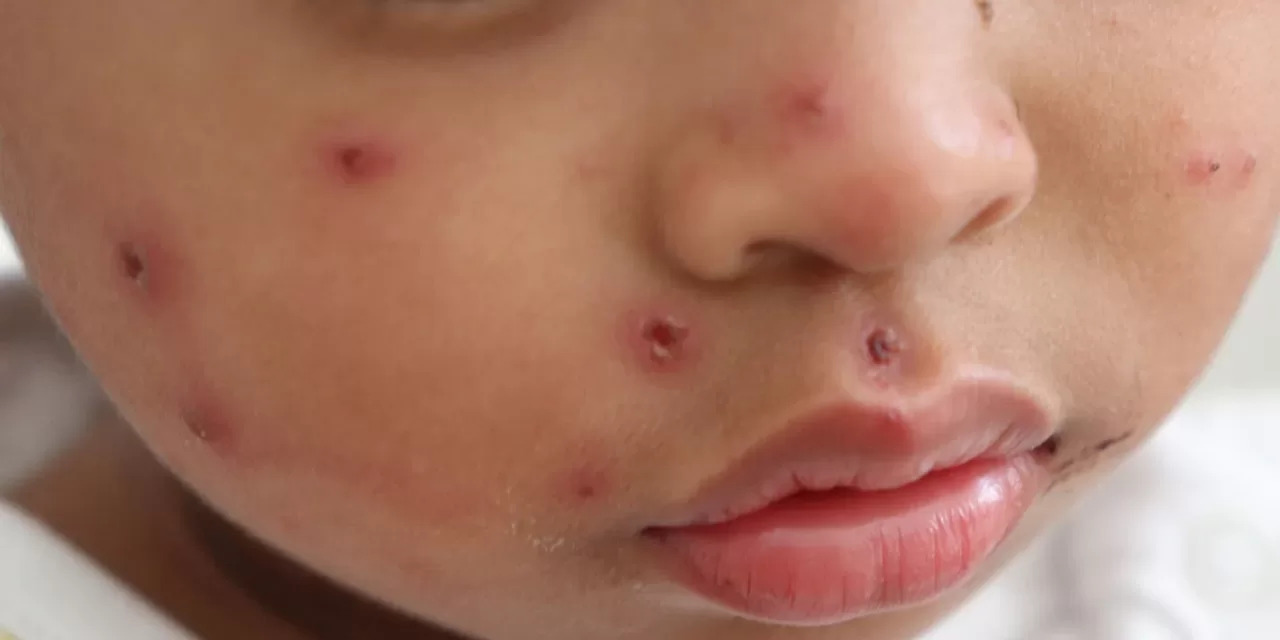
Measles, caused by a highly contagious virus spread through respiratory droplets, presents with fever, cough, and a distinctive rash, but can escalate to pneumonia or encephalitis in vulnerable groups. The MMR vaccine prevents 97% of cases after two doses and 93% after one, yet overall kindergarten vaccination rates have slipped nationwide from 95.2% pre-pandemic to 92.5% in 2024-2025. In South Carolina, rates for 2023-2024 kindergarteners stood at 92.1%, with even lower figures in affected areas.
Expert Warnings and Context
Dr. Linda Bell emphasized during the briefing: “What’s going on in Spartanburg County now is the best example of how even small pockets of under-vaccinated people can result in widespread transmission for this highly infectious virus, finding every susceptible person in a population.” She added that intense transmission occurs in low-coverage pockets despite broader state averages.
Dr. Jane Thorpe, executive director of the Southern Alliance for Public Health Leadership, described South Carolina’s trends as mirroring national declines, with Spartanburg’s school rates dropping from 95% to 90% over five years. CDC data confirms U.S. kindergarten MMR coverage at 92.5% for 2024-2025, below protective levels, contributing to 285 cases in 2024 and rising numbers into 2026. Pre-2000 elimination efforts relied on sustained high vaccination; recent lapses allow imported cases to spread locally.
Post-COVID vaccine hesitancy, amplified by misinformation and exemption ease, has eroded rates. South Carolina mandates two MMR doses for school but permits medical, religious, and philosophical exemptions, leading to clusters like a charter school at 17% immunization.
Public Health Implications
Low vaccination clusters undermine herd immunity, endangering infants, immunocompromised individuals, and those unable to vaccinate. With 434 cases mostly among unvaccinated children, quarantines last three weeks for exposed unvaccinated students, disrupting education. Officials have launched pop-up clinics and mobile units, but uptake remains slow amid hesitancy.
Nationally, 2025 saw over 300 cases in outbreaks across 17 states, with two deaths and 17% hospitalization rates, 99% among unvaccinated or unknown status. South Carolina’s surge signals broader U.S. risks, prompting free vaccination drives and school alerts. Parents face tough choices: vaccination protects communities, while exemptions risk outbreaks and learning loss.
Limitations and Counterarguments
While data spotlights low rates, state averages hover near 92%, suggesting overall coverage suffices in many areas. Critics of mandates argue personal choice trumps public mandates, citing rare vaccine side effects like mild fever, though severe reactions occur in fewer than 1 in a million doses per CDC. Schools balance enforcement with attendance priorities post-COVID, sometimes accommodating exemptions to keep children learning.
Studies confirm MMR safety and efficacy, with no autism link per extensive reviews. Yet, addressing hesitancy requires trust-building beyond mandates, including education on exemptions’ communal costs. Ongoing monitoring via CDC surveillance tracks progress, but sustained 95% coverage demands multifaceted efforts.
Practical Steps for Families
Verify children’s MMR status via school records or pediatricians; two doses by kindergarten age provide robust protection. Unvaccinated or single-dose individuals should catch up promptly, especially in outbreak zones—clinics offer free shots. Watch for symptoms post-exposure: quarantine if unvaccinated, and report to health departments.
Communities can host vaccination events and counter myths with facts from CDC or WHO, which recommend 95% coverage globally. Healthcare providers like Dr. Stuart Simko urge parents: weigh quarantine risks against vaccination benefits. Policymakers may tighten exemptions, as some states have, to safeguard schools.
Medical Disclaimer: This article is for informational purposes only and should not be considered medical advice. Always consult with qualified healthcare professionals before making any health-related decisions or changes to your treatment plan. The information presented here is based on current research and expert opinions, which may evolve as new evidence emerges.
References
-
Reuters. “South Carolina schools face measles risk as vaccination rates drop to 20%, state epidemiologist warns.” January 14, 2026. https://wkzo.com/2026/01/14/south-carolina-schools-face-measles-risk-as-vaccination-rates-drop-to-20-state-epidemiologist-warns/