 0
0
 0
0
South Carolina’s Department of Public Health reported on January 23, 2026, that measles cases linked to an ongoing outbreak have reached 700, up by 54 from earlier in the week. This surge, centered in the Upstate region including Spartanburg County, underscores a rapid escalation since the outbreak began in October 2025, with over 500 now in quarantine. Health officials warn the highly contagious virus threatens herd immunity as vaccination rates lag below the critical 95% threshold.
Outbreak Timeline and Scale
The outbreak started in northwestern South Carolina, primarily Spartanburg County, where 95% of cases—about 668—have occurred. Cases jumped from 434 on January 13 (up 124 from prior), to 558 by January 16, 646 by January 20 (up 88), and now 700 as of January 23. Nationally, the CDC confirms 416 measles cases in 2026 so far across 14 states, with South Carolina accounting for 81% (338 cases).
Among South Carolina’s 700 cases, 614 (88%) were unvaccinated, 13 had one MMR dose, 18 were fully vaccinated (likely milder cases), and 55 have unknown status. Most infections hit children aged 5-17, with many under 5; 86% of U.S. 2026 cases are in those 19 and younger. Currently, 485 people are quarantined for 21 days post-exposure, and 10 remain in isolation while contagious.
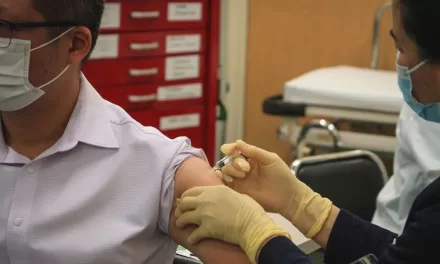
Public exposures span schools (e.g., Cooley Springs Elementary with 22 quarantined students), universities like Clemson and Anderson, stores, fitness centers, and post offices in areas like Boiling Springs and Greer. The state launched a Mobile Health Unit for free MMR and flu vaccines in response.
What Is Measles and Why So Contagious?
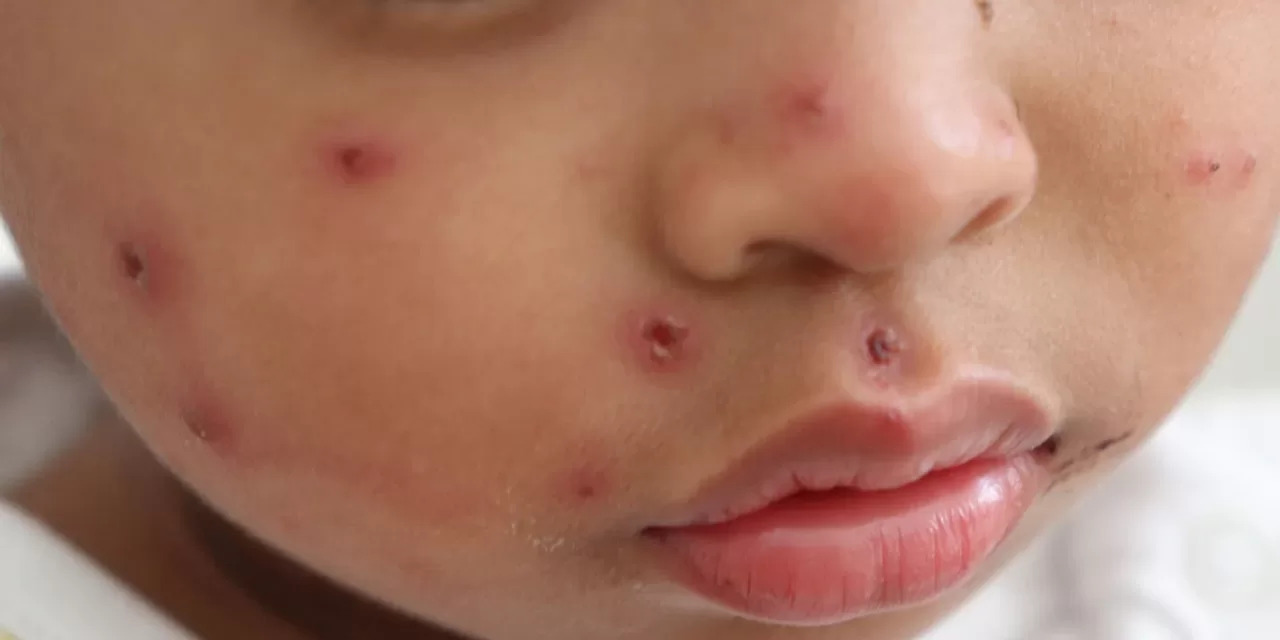
Measles, caused by a paramyxovirus, spreads via airborne droplets from coughing, sneezing, or breathing—up to 90% of unvaccinated close contacts get infected. Symptoms emerge 7-14 days post-exposure: high fever, cough, runny nose, red eyes, then a blotchy rash starting on the face. Complications strike 1 in 5 cases, including pneumonia (most common), encephalitis (1 in 1,000, risking brain swelling), hospitalization (1 in 4 unvaccinated), and death (1-3 per 1,000).
The U.S. eliminated endemic measles in 2000 thanks to the MMR vaccine, 97% effective with two doses. Herd immunity requires 95% coverage to protect infants, immunocompromised individuals, and those unable to vaccinate. Like a chain-link fence where one weak spot lets the virus through entire communities, low rates allow rapid spread.
Root Causes: Vaccine Hesitancy and Dropping Rates
South Carolina’s kindergarten MMR coverage fell to 91-92.1% in 2024-2025, down from 95% pre-COVID, with Upstate areas worse—some schools as low as 20%. State epidemiologist Linda Bell noted early outbreak vaccination boosts slowed, citing skepticism on vaccine efficacy, side effects misinformation, and general hesitancy. “The current trend… double-digit new cases each day is quite alarming,” Bell said in a January 21 briefing; without change, it “could continue for months more.”
This echoes 2025’s U.S. record: 2,144-2,255 cases across 44 states, 49 outbreaks, 3 unvaccinated deaths (Texas, others). Only <2% of cases were imported; most from local spread in under-vaccinated pockets. Neighboring North Carolina reports 12-13 cases since December, linked to South Carolina contacts; Idaho has 2 in 2026.
Expert Insights and Warnings
Experts stress vaccination’s role. “Vaccination continues to be the best way to prevent measles and stop this outbreak,” per DPH. Dr. Emily Landon, University of Chicago infectious disease specialist, warned: “If your vaccination rate is not above 95% for young children, you won’t be able to maintain measles elimination status.”
CDC’s principal deputy director Ralph Abraham called losing elimination status “the cost of doing business,” tying it to travel, though experts counter it’s local transmission. Former CDC official Dr. Demetre Daskalakis described South Carolina’s outbreak as “very, very active… growing at a very aggressive rate.” Kirk Milhoan, MD, PhD, CDC ACIP chair, lamented unvaccinated child risks but noted “freedom of choice and bad health outcomes.”
The WHO defines elimination as no local transmission for 12+ months; U.S. risks this soon.
Public Health Implications
This outbreak signals vulnerability: South Carolina’s could match or exceed 2025’s Texas (760 cases). Readers should verify MMR status—two doses for school-age, one for infants 6-11 months in outbreaks; pregnant people, immunocompromised avoid live vaccine but benefit from herd protection. Check via state registries or doctors; free clinics available amid outbreak.
Schools enforce two-dose mandates, but exemptions fuel gaps. Daily actions: Mask if exposed/unvaccinated, isolate if symptomatic, vaccinate family promptly. For parents, like fortifying a home against intruders, full vaccination builds community defense.
Limitations and Counterpoints
Breakthrough infections occur (fully vaccinated: ~2-3% of cases here), but they are milder, less transmissible. Rare MMR side effects (fever in 1 in 6, rash 1 in 20, serious allergic 1 in million) pale against measles risks. Some cite personal freedom, but experts like Bell highlight community impact: “Small pockets of under-vaccinated people can quickly trigger a public health crisis.”
Outbreak may drag weeks/months without uptake surge; weather like ice storms complicates response. CDC downplays as non-outbreak-linked initially, but all tie to chains.
Medical Disclaimer: This article is for informational purposes only and should not be considered medical advice. Always consult with qualified healthcare professionals before making any health-related decisions or changes to your treatment plan. The information presented here is based on current research and expert opinions, which may evolve as new evidence emerges.
References
-
Reuters. “Measles cases in South Carolina rise by 54 to 700, state health department says.” January 23, 2026. https://www.reuters.com/business/healthcare-pharmaceuticals/measles-cases-south-carolina-rise-by-54-700-state-health-department-says-2026-01-23/reuters+1