 0
0
 0
0
South Carolina’s ongoing measles outbreak, which began in October 2025, has escalated dramatically with 646 confirmed cases as of January 20, 2026, primarily in the northwestern Upstate region including Greenville, Spartanburg, and Anderson counties. State epidemiologist Dr. Linda Bell warned on January 21 that the outbreak may persist for weeks or even months due to slowing vaccination rates and daily double-digit new infections. Public health officials report at least 538 people in quarantine and recent exposures at universities and grocery stores, heightening transmission risks.
Outbreak Timeline and Scale
The outbreak started in early October 2025 in Spartanburg County, linked to an under-vaccinated community, and has since exploded, with cases rising from 111 in mid-December to 310 by early January, 434 by January 13, 558 by January 16, and 646 by January 20. This marks over 200 new cases in the past week alone, threatening to become the largest U.S. measles outbreak in decades, potentially surpassing last year’s West Texas incident. Children aged 5-17 account for the majority (419 cases), followed by those under 5 (155 cases), with most victims unvaccinated.
Among the 646 cases, 563 individuals were unvaccinated, 12 had one dose of the MMR vaccine, 13 were fully vaccinated, and 58 had unknown status, underscoring vaccination gaps. Quarantine measures affect hundreds, including 88 students at Clemson and Anderson universities, with isolation for 33 symptomatic cases. Public exposures at locations like Publix in Duncan and Food Lion in Inman have prompted monitoring through early February for unvaccinated individuals.
Expert Warnings and Response Efforts
Dr. Linda Bell, South Carolina’s state epidemiologist, highlighted during a January 21 briefing: “The current trend, where we are witnessing double-digit newly reported cases each day, is quite alarming,” noting that initial vaccination surges have waned due to skepticism, hesitancy, and misinformation about side effects. She added that without accelerated protections, the outbreak “could potentially continue for months more.”
Dr. Ralph Lee Abraham, principal deputy director of the CDC, described the situation as centered in an “under-vaccinated, close-knit community in the Spartanburg area,” with federal support for investigations. The South Carolina Department of Public Health (DPH) launched a Mobile Health Unit for free MMR and flu vaccines, while school vaccination rates in some areas have dropped to 20%, fueling spread. CDC recommends two MMR doses—93% effective after one, 97% after two—for prevention.
Measles Disease Profile
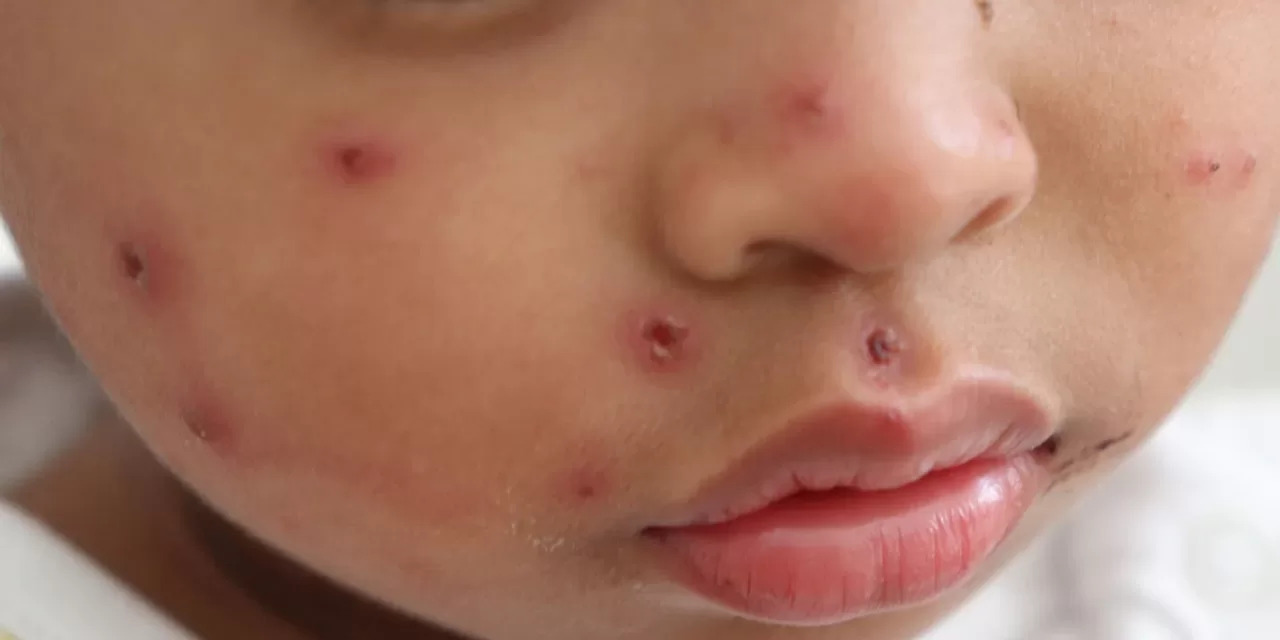
Measles, a highly contagious viral infection spread through respiratory droplets, remains airborne for up to two hours and causes fever, cough, runny nose, watery eyes, and a characteristic rash appearing 3-5 days post-initial symptoms. Complications include pneumonia, encephalitis, and hospitalization in one of five unvaccinated cases, per CDC data. The 21-day incubation period necessitates extended quarantines, disrupting schools, work, and communities.
The U.S. achieved measles elimination in 2000 but risks losing it with prolonged outbreaks like this one, defined by the WHO as continuous transmission for over 12 months. Globally, measles claims over 100,000 lives annually, mostly children, despite available vaccines—a testament to vaccination’s role in prior successes.
Public Health Implications
This outbreak signals broader U.S. vulnerabilities from declining childhood vaccination rates, influenced by misinformation and holiday travel amplifying spread. For South Carolinians, it means sustained quarantines, school disruptions—each affected school reports at least one case—and economic strain from isolations. Nationally, it jeopardizes elimination status, potentially leading to more outbreaks if herd immunity (95% coverage) falters.
Practical steps include verifying MMR status via healthcare providers, especially for travel or school; unvaccinated exposed individuals should quarantine 21 days and monitor symptoms. Free clinics via DPH’s mobile units offer accessible boosters, critical as waning community uptake prolongs the crisis.
Limitations and Counterpoints
While vaccination drives initial promise, hesitancy persists due to rare side effects (e.g., mild fever in 5-15% post-MMR) and distrust, though evidence shows benefits far outweigh risks. Fully vaccinated breakthroughs (13 cases here) occur but are mild and rare, affirming two-dose efficacy at 97%. Critics argue over-reliance on quarantines burdens families, yet experts counter that unchecked spread risks severe outcomes in vulnerable groups like infants or immunocompromised individuals.
Study limitations include self-reported vaccination status for 58 cases and focus on one region, potentially undercounting statewide transmission. Ongoing CDC collaboration aims to refine data, but sustained public education is key to containment.
Medical Disclaimer: This article is for informational purposes only and should not be considered medical advice. Always consult with qualified healthcare professionals before making any health-related decisions or changes to your treatment plan. The information presented here is based on current research and expert opinions, which may evolve as new evidence emerges.
References
-
Reuters. “South Carolina measles outbreak may drag on for weeks or months, state epidemiologist says.” January 21, 2026. https://www.reuters.com/business/healthcare-pharmaceuticals/south-carolina-measles-outbreak-may-drag-weeks-or-months-state-epidemiologist-2026-01-21/[reuters]