 0
0
 0
0
South Carolina’s ongoing measles outbreak reached a stark milestone on January 27, 2026, with state health officials reporting 789 confirmed cases—an 89-case increase since Friday. Centered in the northwestern Upstate region including Spartanburg and Greenville counties, the outbreak that began in October 2025 now exceeds the 762 cases from Texas’s major 2025 outbreak, raising alarms about national vaccination gaps. Officials warn the highly contagious virus could persist for weeks or months without improved immunization rates.
Outbreak Details and Scale
The South Carolina Department of Public Health (DPH) confirmed the jump to 789 cases, with 557 individuals currently in quarantine and 20 in isolation as of the latest update; quarantine periods extend to at least February 19 in some instances. Among cases, 695 people were unvaccinated, 14 partially vaccinated with one dose of the recommended two-dose MMR vaccine, 20 fully vaccinated, and 60 with unknown status—highlighting low protection in affected communities. Children account for 88% of infections, and at least 18 people, including kids, have required hospitalization for complications.
This marks South Carolina’s largest measles outbreak in over 30 years, with 524 of the cases emerging in January 2026 alone. The virus spreads airborne through coughs or sneezes, lingering in the air for up to two hours, making it one of the most contagious diseases known—up to 18 people can catch it from one infected person in a susceptible group.
National Context
Nationally, the U.S. has tallied 416 confirmed measles cases in 2026 as of January 22, per CDC data, with South Carolina reporting 338 of them—a sharp escalation from 2025’s 2,255 cases across 45 states, the highest in decades and threatening the country’s elimination status achieved in 2000. Other hotspots include Utah (32 cases) and ongoing clusters in 14 states like Arizona, Florida, and North Carolina. Hospitalizations stand at about 2% nationally this year (10 of 416), lower than 2025’s 11%, but under-5s face higher risks at 6%.
MMR vaccine coverage among U.S. kindergartners has slipped to 92.5% in the 2024-2025 school year from 95.2% in 2019-2020, leaving roughly 286,000 children vulnerable and enabling outbreaks in pockets of low uptake. In South Carolina, kindergarten MMR rates hover at 91.2%, below the 95% herd immunity threshold.
Expert Insights
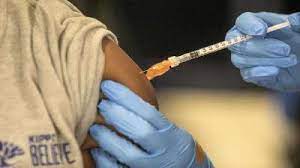
Dr. Kristin Moffitt, an infectious diseases physician at Boston Children’s Hospital not involved in the South Carolina response, expressed alarm: “I’m very alarmed by the increase in measles cases in the U.S. over the last year or two,” noting the disease’s severity in unvaccinated groups. DPH officials emphasize vaccination as the key control measure, recommending MMR for all eligible unvaccinated residents, especially close contacts.
Epidemiologists point to waning routine immunization post-COVID disruptions and hesitancy fueled by misinformation as drivers. “Measles was eliminated through high vaccination, but global travel reintroduces it to under-vaccinated communities,” a CDC spokesperson noted in related updates.
Public Health Implications
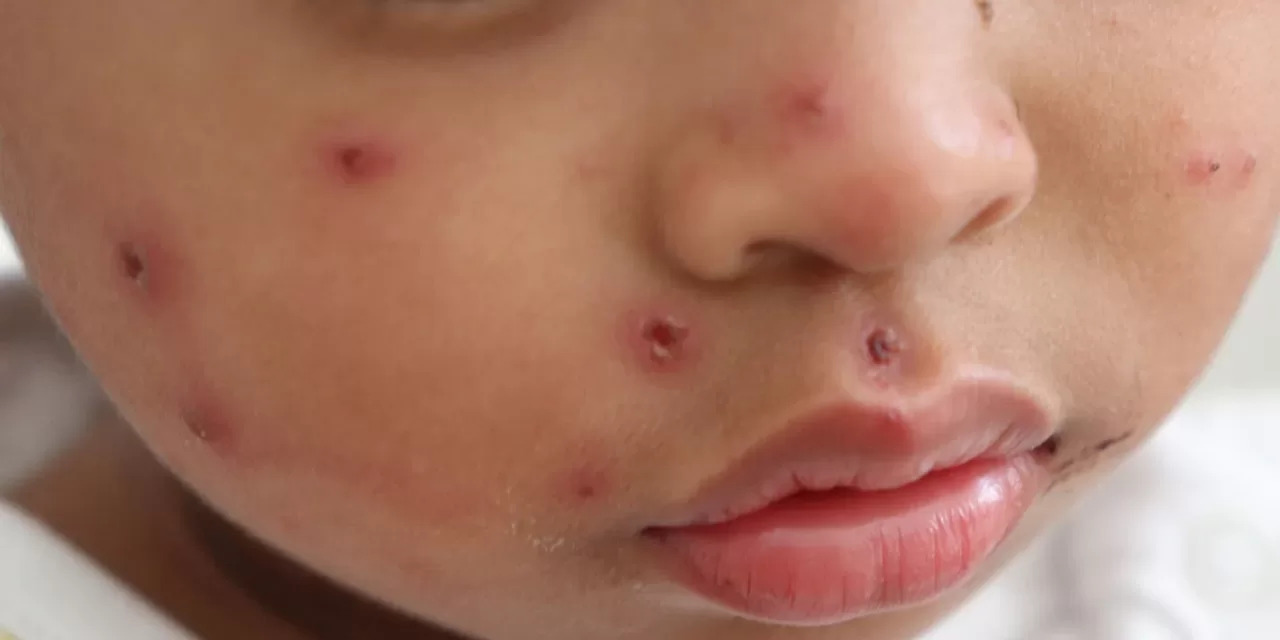
This outbreak underscores risks to vulnerable populations: infants too young for vaccination, pregnant people, and immunocompromised individuals, even if vaccinated others are largely protected. Practical steps include verifying two-dose MMR status (first at 12-15 months, second at 4-6 years), masking in high-risk areas, and isolating if exposed—symptoms like high fever, cough, runny nose, red eyes, and rash appear 7-14 days post-exposure.
For communities, it means school quarantines affecting hundreds of students and strained resources; DPH urges clinics for catch-up shots. Travelers should confirm immunity before international trips, as measles remains endemic globally.
Challenges and Limitations
While vaccines are 97% effective with two doses (93% with one), rare breakthroughs occur in intense outbreaks, as seen in 20 fully vaccinated cases here—consistent with historical 10% rates. Counterarguments from vaccine skeptics cite personal freedom or rare side effects, but evidence shows benefits far outweigh risks, preventing millions of cases yearly pre-vaccine era when 400-500 U.S. deaths occurred annually.
Limitations include incomplete vaccination data for 60 cases and potential underreporting early on. No deaths reported in this outbreak yet, unlike Texas’s two child fatalities, but officials stress urgency.
South Carolina’s surge signals a call to action: boosting MMR uptake could contain it swiftly, protecting public health amid rising national cases.
References
-
South Carolina Department of Public Health. “2025 Measles Outbreak.” Updated January 27, 2026. https://dph.sc.gov/diseases-conditions/infectious-diseases/measles-rubeola/2025-measles-outbreak [page:0 – note: fetch failed but referenced via search].[dph.sc]
-
Reuters. “Measles cases in South Carolina rise by 89 to 789, state health department says.” January 27, 2026. https://www.reuters.com/business/healthcare-pharmaceuticals/measles-cases-south-carolina-rise-by-89-789-state-health-department-says-2026-01-27/.[whtc]
- Medical Disclaimer: This article is for informational purposes only and should not be considered medical advice. Always consult with qualified healthcare professionals before making any health-related decisions or changes to your treatment plan. The information presented here is based on current research and expert opinions, which may evolve as new evidence emerges.