 0
0
 0
0
South Carolina health officials reported 88 new measles cases on January 20, 2026, elevating the state’s outbreak total to 646, primarily in the Upstate region around Spartanburg County. This rapid escalation, centered in unvaccinated communities, underscores vaccination gaps and prompts widespread quarantines at schools and universities.
Outbreak Timeline and Latest Developments
The measles outbreak in South Carolina began in October 2025 and has accelerated sharply since early January 2026. By January 16, cases reached 558 after 124 new infections were confirmed since the prior update, with officials noting surges in Spartanburg and Greenville areas. The January 20 announcement marked another 88 cases in just days, bringing the total to 646, with 538 people now in quarantine and 33 in isolation—some until February 23.
New exposures complicate containment efforts. Public locations like Publix in Duncan and Food Lion in Inman saw infectious individuals on specific dates in January, urging symptom monitoring up to three weeks post-exposure. Schools including Starr Elementary, Boiling Springs High, and others have quarantined dozens of students, while Clemson University (34 students) and Anderson University (50 students) report risks.
Demographics and Vaccination Status
Children bear the brunt of the outbreak. Among 646 cases, 155 are under age 5, 419 aged 5-17, 51 adults 18+, and 21 unknown. Vaccination status reveals stark vulnerabilities: 563 cases (87%) unvaccinated, 12 partially vaccinated (one MMR dose), 13 fully vaccinated (2%), and 58 unknown.
This pattern aligns with broader trends. State epidemiologist Linda Bell highlighted schools with vaccination rates as low as 20%, far below the 95% herd immunity threshold for measles. Fully vaccinated breakthrough cases remain rare, affirming MMR vaccine efficacy at 97% with two doses and 93% with one, per CDC data.
Expert Commentary on the Crisis
Epidemiologists warn of uncontrolled spread. “These numbers, 88 new cases in South Carolina just since Friday, indicates that this outbreak is far from over and still spreading,” stated William Moss, epidemiology professor at Johns Hopkins Bloomberg School of Public Health. Moss emphasized airborne transmission: measles lingers in air for hours, infecting up to 18 unvaccinated people per case, nine times more contagious than COVID-19.
Dr. Linda Bell, South Carolina state epidemiologist, voiced alarm over declining school immunization rates during a January briefing, linking them directly to outbreak fuel. CDC officials note this as the worst U.S. outbreak since holidays, threatening measles elimination status achieved in 2000 but at risk from imported cases and hesitancy.
Background on Measles and National Context
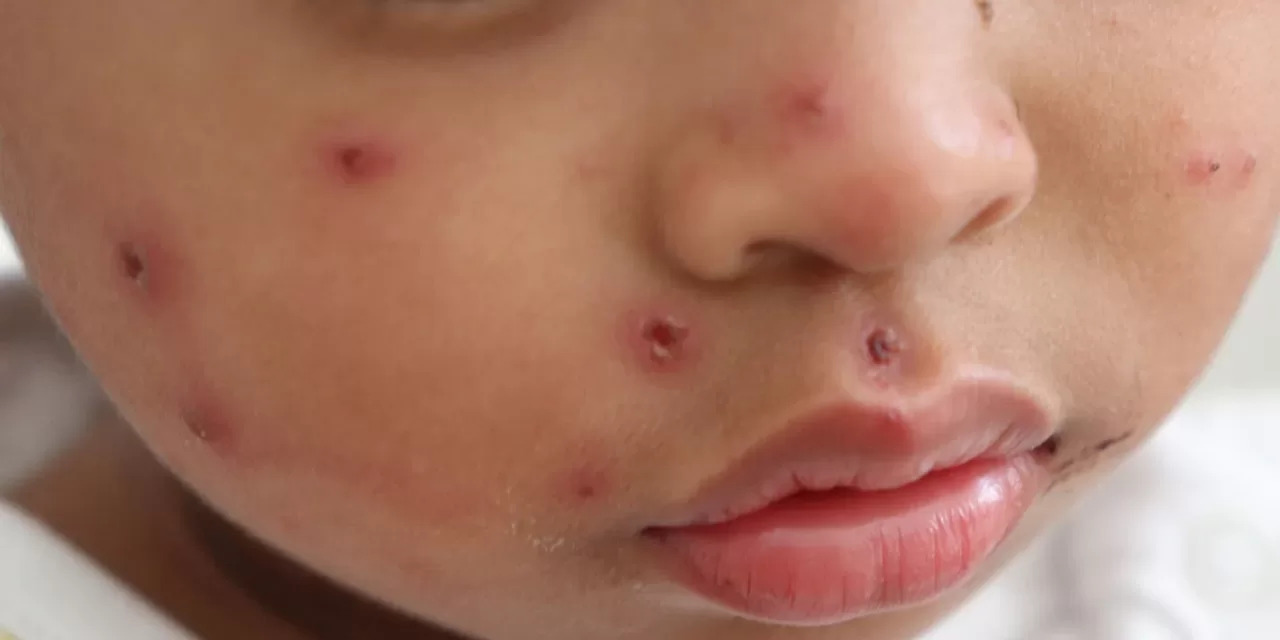
Measles, caused by a paramyxovirus, spreads via respiratory droplets and causes fever, cough, conjunctivitis, and a characteristic rash starting on the face. Symptoms emerge 7-21 days post-exposure; complications like pneumonia strike 1 in 20 cases, hospitalization 1 in 5, and death 1-3 per 1,000—higher in young children and adults.
The U.S. saw 2,100+ cases in 2025 across 44 states, the most since 1991, with three unvaccinated deaths; 2026 adds cases in Florida, Georgia, North Carolina, and others. South Carolina’s outbreak follows West Texas’s 800+ cases in 2025, both tied to vaccination exemptions rising amid hesitancy fueled by misinformation. Globally, WHO reports 10 million cases yearly, mostly in low-vax regions.
Public Health Implications and Response Measures
This outbreak signals urgent needs. Over 500 quarantines strain resources, excluding unvaccinated students and risking educational disruptions. Officials urge MMR vaccination at clinics and pharmacies, offering post-exposure shots within 72 hours or immunoglobulin for infants.
For the public, implications are clear: unvaccinated individuals face highest risks, but herd immunity protects vulnerable groups like infants too young for shots or immunocompromised people. Travel warnings apply to Upstate; monitor symptoms like high fever and rash, contacting providers promptly to avoid spreading in waiting rooms.
Broader lessons emerge for policy. Declining rates prompt calls for tighter school mandates; South Carolina allows religious/medical exemptions, correlating with hotspots. Nationally, PAHO reviews U.S. elimination status amid multi-state flares.
Limitations, Counterarguments, and Future Outlook
No large-scale deaths reported yet, unlike 2025’s fatalities, but hospitalization risks persist. Breakthrough infections in 13 fully vaccinated highlight no vaccine is 100%—though they experience milder illness. Critics of mandates argue personal freedom, but experts counter that measles’ R0 of 12-18 demands community protection, as individual choices endanger others.
Study limitations include self-reported vaccination data and potential under-detection in mild cases. Officials anticipate more from quarantines, projecting containment if vax rates rise.
Practical Advice for Readers
Check MMR status via records or titer tests; two doses recommended for ages 1+. Parents: vaccinate at 12-15 months and 4-6 years; catch-up free at health departments. High-risk travelers to South Carolina: confirm immunity. Communities: advocate for 95% school rates to prevent wider spread.
Medical Disclaimer: This article is for informational purposes only and should not be considered medical advice. Always consult with qualified healthcare professionals before making any health-related decisions or changes to your treatment plan. The information presented here is based on current research and expert opinions, which may evolve as new evidence emerges.
References
-
South Carolina Department of Public Health (DPH). “TUESDAY MEASLES UPDATE: DPH Reports 88 New Measles Cases in Upstate, Bringing Outbreak total to 646.” January 20, 2026. https://dph.sc.gov/news/tuesday-measles-update-dph-reports-88-new-measles-cases-upstate-bringing-outbreak-total-646
-
Reuters. “Measles cases in South Carolina rise by 88 to 646, state health department says.” January 20, 2026. https://www.reuters.com/business/healthcare-pharmaceuticals/measles-cases-south-carolina-rise-by-88-646-state-health-department-says-2026-01-20/[abcnews.go]