 0
0
 0
0
The South Carolina Department of Public Health (DPH) reported 124 new measles cases on January 13, 2026, elevating the Upstate outbreak total to 434 since October 2025. Centered in Spartanburg County, the outbreak has led to 409 quarantines and 17 isolations, with potential exposures now reaching Columbia’s State Museum. Health officials attribute the rapid spread primarily to low vaccination rates among unvaccinated children.
Outbreak Scale and Demographics
The outbreak predominantly affects children, with 287 cases aged 5-17, 105 under 5, and 36 adults, plus 6 minors of undisclosed age. Among the 434 cases, 378 individuals were unvaccinated, 3 partially vaccinated, 6 fully vaccinated, and 47 of unknown status, highlighting vaccination gaps. This marks one of the nation’s largest ongoing outbreaks, following 2025’s national record of 2,144 cases across 44 states, including three deaths—all unvaccinated.
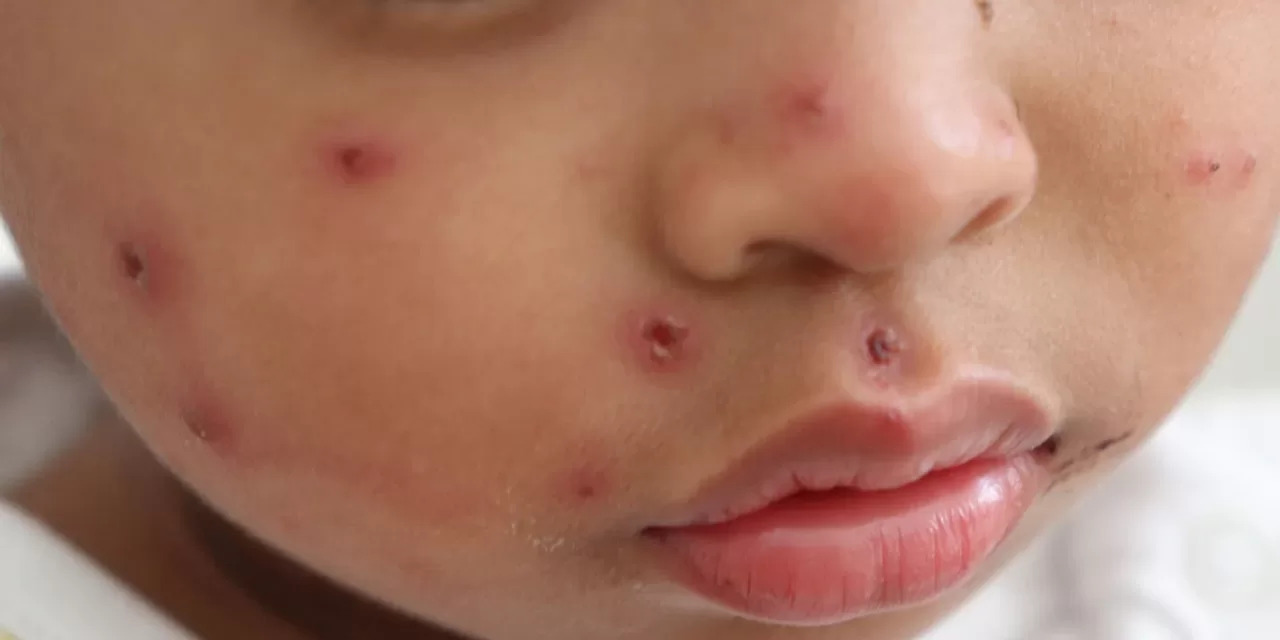
Public exposures have expanded, including the South Carolina State Museum on January 2 from 1-5 p.m., where visitors without immunity face risks through January 23 due to measles’ 7-21 day incubation. Symptoms start with fever over 101°F, cough, runny nose, red eyes, followed by a rash spreading from the face. Over 400 remain in quarantine until February 6, disrupting schools and families.
Background on Measles and National Context
Measles, a highly contagious paramyxovirus spread via respiratory droplets, was declared eliminated in the U.S. in 2000 but reemerges through imported cases amid falling vaccination coverage. The MMR vaccine—93% effective after one dose, 97% after two—remains the gold standard, recommended at 12-15 months and 4-6 years. South Carolina requires two doses for K-12 entry, yet 2023-2024 kindergarten coverage hit 92.1%, down from 95% pre-COVID.
Nationally, 2024-2025 kindergartner MMR rates fell to 92.5%, with 93% of 2025 cases in unvaccinated or unknown-status individuals. Nearly 50 outbreaks occurred last year, up from 16 in 2024, driven by communities with rates below 90%—insufficient for herd immunity. South Carolina’s Upstate mirrors this, with Spartanburg schools showing historically low coverage.edition.
Expert Insights and Official Responses
State epidemiologist Dr. Linda Bell noted, “An increasing number of public exposure sites are being identified with likely hundreds more people exposed who are not aware they should be in quarantine if they are not immune to measles.” DPH has launched free MMR clinics via Mobile Health Units on January 14-15 at Spartanburg’s Unitarian Universalist Church, emphasizing post-exposure vaccination within 72 hours prevents infection.
Dr. Sean O’Leary of the American Academy of Pediatrics warned of broader risks, stating during recent vaccine discussions, “Tragically our federal government can no longer be trusted in this role,” underscoring the need for credible recommendations. CDC Director Mandy Cohen affirmed, “The measles vaccine is our best protection against the virus, and we must continue to invest in efforts to increase access.” Pediatricians report shifting parental attitudes amid the crisis.
Public Health Implications
This outbreak strains resources, with quarantines halting education and exposing vulnerabilities in underserved areas. For families, it means monitoring symptoms, seeking prompt care with precautions like masks, and verifying immunity—especially for travelers or school-aged children. Broader U.S. implications include threats to elimination status, potential interstate spread (e.g., North Carolina’s five linked cases), and heightened risks for infants too young to vaccinate.cidrap.
Practical steps include checking vaccination records via state portals, accessing free shots at pharmacies or DPH sites, and avoiding exposures. Boosting coverage could end the outbreak swiftly, as seen in New Mexico’s response last year.
Limitations and Balanced Perspectives
While MMR breakthrough infections occur rarely (4% of 2025 cases), they are typically mild. Vaccine hesitancy persists due to misinformation, though evidence confirms safety—billions of doses administered globally with rare side effects. Studies like CDC surveillance affirm two-dose efficacy. Critics note resource constraints slow outreach, but officials prioritize high-risk zones. No 2026 deaths reported yet, unlike 2025’s tragedies.
References
-
South Carolina Department of Public Health. (2026, January 13). Tuesday Measles Update. https://dph.sc.gov/news/tuesday-measles-update-dph-reports-124-new-measles-cases-upstate-new-public-exposures-and
Medical Disclaimer: This article is for informational purposes only and should not be considered medical advice. Always consult with qualified healthcare professionals before making any health-related decisions or changes to your treatment plan. The information presented here is based on current research and expert opinions, which may evolve as new evidence emerges.