 0
0
 0
0
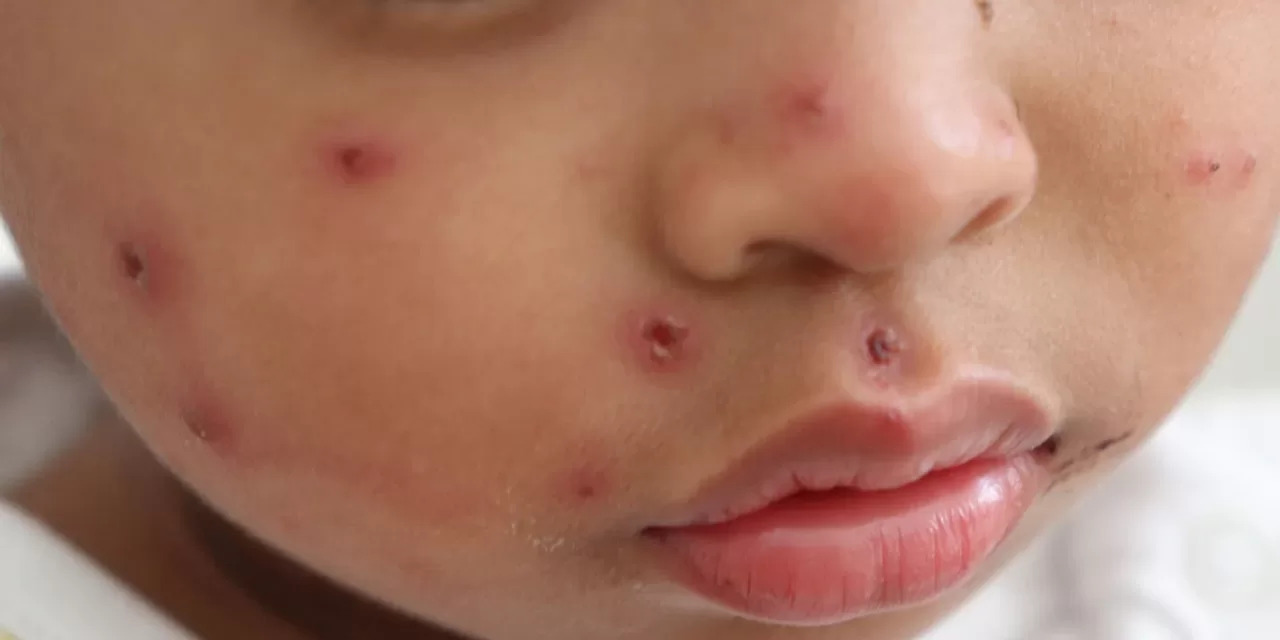
The South Carolina Department of Public Health reported 185 confirmed measles cases tied to an ongoing outbreak in the Upstate region on January 2, 2026, marking nine new infections since the previous update. This escalation, concentrated in areas like Greenville and Spartanburg counties, underscores a broader national crisis with over 2,000 cases in 2025 alone, fueled by low vaccination rates. Health officials urge immediate vaccination and quarantine compliance to curb further spread.
Outbreak Details and Demographics
The outbreak, which began in October 2025, has predominantly affected children, with 123 cases (66%) in ages 5-17, 40 (22%) under 5, 16 (9%) in adults 18+, and 6 minors with undisclosed ages. Vaccination status reveals stark vulnerabilities: 172 cases (93%) involved unvaccinated individuals, four were partially vaccinated, one fully vaccinated, four unknown, and four under investigation. Currently, 223 people remain in quarantine—some until January 24—and three in isolation, with new exposures linked to households, schools, and unknown sources.
Four of the latest cases stemmed from household contacts, one from a prior school exposure, highlighting measles’ airborne transmission from four days before to four days after rash onset. The virus spreads via respiratory droplets, infecting up to 18 unvaccinated people per case in susceptible groups, akin to a chain reaction in under-vaccinated communities.
National Context and Historical Surge
South Carolina’s tally aligns with a record-shattering 2025, where the CDC logged 2,065 U.S. cases across 44 states by December 30—eclipsing 1991 levels and dwarfing 285 in 2024. Texas led with 803 cases and three deaths (first since 2015), followed by Arizona (196), Utah (156), and others like Kansas (91). Nationally, 88% of cases tied to 49 outbreaks, 93% among unvaccinated or unknown status individuals, with 11% hospitalization (235 cases) and three fatalities.
The U.S. eliminated endemic measles in 2000 through high MMR uptake, but kindergarten coverage dipped to 92.7% in 2023-24 from 95.2% in 2019-20, leaving 280,000 children vulnerable. South Carolina’s rate hovers at 92.1%, below the 95% herd immunity threshold. Imported cases from endemic regions spark outbreaks in low-vax pockets, amplified by holidays and travel.
Expert Insights and Warnings
“This outbreak is accelerating due to lower-than-desired vaccination rates and community gatherings,” noted South Carolina State Epidemiologist Linda Bell in prior updates, emphasizing schools and churches as hotspots. Dr. Rodney Rohde, a public health expert at Texas State University not involved in the response, warned, “With ongoing chains like South Carolina’s, the U.S. risks losing elimination status by early 2026 unless transmission halts for 12 months—reversible but demanding urgent immunization boosts.”
CDC officials stress MMR’s 97% efficacy with two doses (93% for one), yet breakthrough cases occur in intense outbreaks. “Vaccination remains the cornerstone; unvaccinated clusters act like dry tinder for measles,” Rohde added, calling for mobile clinics and employer support for quarantines.
Public Health Implications
For families, this means verifying MMR status—two doses recommended at 12-15 months and 4-6 years—and isolating at symptom onset (fever, cough, rash). Complications like pneumonia or encephalitis hit 1 in 20 children and 1 in 1,000 with brain swelling, higher in vulnerable groups. Outbreaks strain resources: South Carolina quarantined hundreds, mirroring Texas’s 800-case ordeal.
Broader risks include losing elimination status, inviting sustained transmission and higher costs—pre-vaccine era saw 48,000 annual U.S. hospitalizations. Travelers face import threats; pregnant people and infants under 12 months are high-risk. Practical steps: Free/low-cost vaccines at pharmacies, clinics, or DPH mobile units; notify providers pre-visit if exposed.
Limitations and Counterpoints
While MMR is safe (mild side effects in 1 in 6, serious in 1 million), rare allergies or parental hesitancy fuel exemptions, contributing 93% unvaccinated cases. Outbreaks may undercount mild/asymptomatic spread, and one breakthrough raises questions on waning immunity, though experts affirm two doses suffice for most. Critics of mandates cite personal freedom, but data shows herd immunity protects the unprotected; no evidence links MMR to autism per exhaustive reviews.
South Carolina’s response—quarantines, contact tracing—mitigates but can’t erase low coverage gaps. Ongoing monitoring via CDC’s weekly updates will clarify if 2026 sustains the surge.
References
-
South Carolina Department of Public Health. “Friday Measles Update: DPH Reports Nine New Measles Cases in Upstate, Bringing Outbreak Total to 185.” January 2, 2026. https://dph.sc.gov/news/friday-measles-update-dph-reports-nine-new-measles-cases-upstate-bringing-outbreak-total-185aljazeera