 0
0
 0
0
December 17, 2025
COLUMBIA, S.C. — The measles outbreak in South Carolina has intensified, with state health officials confirming nine new cases on Tuesday, pushing the total number of infections in the ongoing Upstate outbreak to 135. The surge comes amidst a record-breaking year for the virus across the United States, prompting urgent warnings from public health experts about the erosion of herd immunity and the potential loss of the nation’s measles elimination status.
The South Carolina Department of Public Health (DPH) reported that the latest cluster of cases remains centered in Spartanburg County, a region that has become a focal point for the disease since the outbreak was first identified in October. Of the nine new cases reported Tuesday, five were linked to exposure at the Way of Truth Church in Inman, highlighting how quickly the airborne virus can spread in congregational settings.
An Accelerating Crisis
According to the DPH update released December 16, the outbreak is disproportionately affecting children and those without protection against the virus. Of the 135 total confirmed cases, 127 (94%) are in unvaccinated individuals. The demographic breakdown paints a concerning picture for pediatric health: 28 cases involve children under the age of five, while 90 cases are among school-aged children between 5 and 17.
“Accelerating is an accurate term,” stated Dr. Linda Bell, South Carolina’s State Epidemiologist, in a briefing earlier this week. “That is a spike in cases we are concerned about.”
The outbreak has had a ripple effect on the community, forcing hundreds into quarantine. As of Tuesday, 168 individuals were in quarantine due to potential exposure, and one person remains in medical isolation. The health department also identified a new exposure site at Berry Shoals Elementary School, resulting in 44 students being placed under quarantine protocols.
National Context: A Status in Peril
The situation in South Carolina is a microcosm of a larger national health crisis. The Centers for Disease Control and Prevention (CDC) reports that the United States has confirmed 1,912 measles cases in 2025 across 43 states—the highest annual total in more than three decades.
This resurgence has reignited fears that the U.S. may lose its “measles elimination” status, a designation maintained since 2000 which certifies that the disease is not endemic (constantly present) in the country. Losing this status would signify a major regression in public health.
“Right now, the measles outbreak that we’re seeing in the United States is rapidly growing out of control,” warned Dr. Georges Benjamin, Executive Director of the American Public Health Association. “Without adequate prevention efforts, the U.S. is probably going to lose its measles elimination status.”
The national surge has been deadly. CDC data indicates three confirmed measles-related deaths in the U.S. this year, including two children in Texas.
The Immunity Gap
Infectious disease specialists point to declining vaccination rates as the primary driver of the resurgence. To maintain herd immunity against measles—one of the most contagious viruses known to medicine—approximately 95% of a population must be vaccinated.
Data from the South Carolina DPH reveals that vaccination coverage among students in the state has slipped from nearly 96% in 2020 to 93.5% for the 2025 school year. This dip below the 95% threshold creates “immunity gaps” where the virus can take hold and spread rapidly.
“Measles is not a trivial illness,” explains Dr. Sarah Bennett, a pediatrician and infectious disease specialist (not involved in the SC investigation). “It is highly efficient at finding unvaccinated people. If one person has it, up to 90% of the people close to that person who are not immune will also become infected. It can lead to serious complications like pneumonia and encephalitis, especially in young children.”
Practical Implications for the Public
Health officials are urging South Carolina residents, particularly those in the Upstate region, to verify their vaccination status immediately. The primary defense against the virus is the MMR (measles, mumps, and rubella) vaccine.
-
Check Your Records: Adults who do not have evidence of immunity should consult their healthcare provider about getting at least one dose of the MMR vaccine.
-
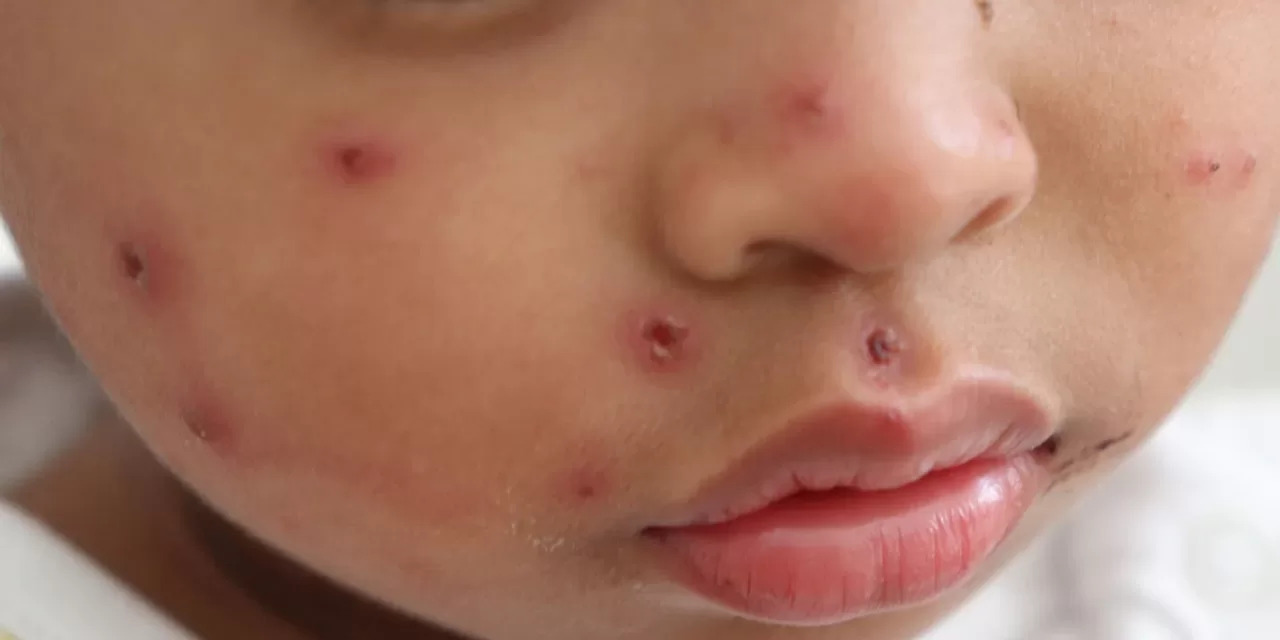
Watch for Symptoms: Measles typically begins with a high fever, cough, runny nose, and red, watery eyes. Three to five days later, a characteristic red rash breaks out.
-
Quarantine Protocol: The virus is contagious from four days before the rash appears to four days after. Residents exposed to the virus are advised to quarantine to prevent spreading it before symptoms arise.
Looking Ahead
The DPH has stated that mobile vaccination units are being deployed, though uptake in some affected communities remains lower than hoped. With the holiday season continuing to drive travel and social gatherings, officials caution that case numbers could climb further before the outbreak is contained.
“We are faced with ongoing transmission that we anticipate will go on for many more weeks,” Dr. Bell noted. The department continues to update its outbreak webpage twice weekly, providing real-time data to help residents make informed decisions.
Medical Disclaimer: This article is for informational purposes only and should not be considered medical advice. Always consult with qualified healthcare professionals before making any health-related decisions or changes to your treatment plan. The information presented here is based on current research and expert opinions, which may evolve as new evidence emerges.
References
News & Government Sources:
-
Reuters. (2025, December 16). Measles cases in South Carolina rise by nine to 135, state health department says.