 0
0
 0
0
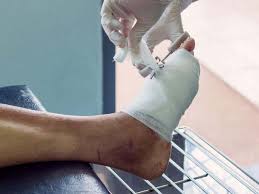
Chronic foot ulcers are a debilitating and common complication affecting nearly 463 million people worldwide living with diabetes. These wounds often resist conventional therapies, imposing severe risks including infection and amputation. Now, emerging evidence from multiple rigorous studies suggests that extracorporeal shock wave therapy (ESWT)—a treatment using high-energy sound waves—can significantly enhance healing rates, offering new hope for patients with stubborn diabetic foot ulcers.
Breakthrough Findings From Randomized Trials
A team of Spanish researchers recently pooled data from five randomized controlled trials involving 672 patients to evaluate the effectiveness of ESWT in addition to standard wound care. The analysis found that those receiving ESWT were nearly three times more likely to experience complete wound healing compared to those who received standard treatment alone. The duration of ESWT treatment across these studies ranged from 3 to 20 weeks.
High-energy sound waves used in ESWT employ acoustic energy to stimulate biological processes critical for wound repair. This therapy promotes the formation of new blood vessels (angiogenesis), supports tissue regeneration, and reduces both inflammation and scar formation. Notably, these treatments are performed on an outpatient basis and typically do not require anesthesia.
Expert Perspectives on ESWT’s Mechanisms and Benefits
Dr. Maria Gonzalez, an endocrinologist not involved in the studies but specializing in diabetic wound care, explains: “The acoustic energy in ESWT is thought to mechanically stimulate the wound environment, activating cellular mechanisms that accelerate tissue repair. This includes boosting circulation to the affected areas and modulating inflammatory responses that often impede healing.”
Similar findings have been echoed in complementary research on vibration therapies and ultrasound-assisted wound treatments, which also harness mechanical sound energy to enhance healing by increasing cell migration, collagen synthesis, and reducing bacterial burden in chronic wounds. A recent study published in Medical Sciences consolidates these mechanisms, casting ESWT as a novel, non-invasive adjunct to traditional care that could improve quality of life and reduce amputation risk in diabetic populations.
Importance for Public Health and Patient Care
Diabetic foot ulcers carry a high burden of morbidity. Up to 40% of patients with chronic foot ulcers may eventually require amputation, with immense personal and healthcare system costs. The promise of ESWT as a cost-effective, outpatient add-on therapy marks an important advance in managing this complication.
Given that current standard treatments—such as wound dressings, infection control, and offloading pressure—are often insufficient for hard-to-heal ulcers, integrating ESWT could shorten healing times and prevent severe outcomes.
Limitations and Considerations
Despite these promising results, some experts urge cautious optimism. The patient populations in the pooled analyses were diverse, and variability in the ESWT protocols (duration, intensity, and frequency of sound waves) means optimal treatment parameters are still being defined. Additionally, while side effects are generally mild, including pain during therapy or transient bruising, monitoring for patient safety remains essential.
More large-scale, standardized clinical trials are needed to validate ESWT’s long-term effectiveness and safety across diverse diabetic populations and ulcer types.
Practical Takeaways for Patients
For patients living with diabetes and chronic foot ulcers, these findings advocate discussing novel therapeutic options like ESWT with healthcare providers, especially when standard treatments have failed to promote wound closure. However, ESWT is not a standalone cure; maintaining good glycemic control, proper wound care, and regular medical follow-up remain critical.
Medical Disclaimer
This article is for informational purposes only and should not be considered medical advice. Always consult with qualified healthcare professionals before making any health-related decisions or changes to your treatment plan. The information presented here is based on current research and expert opinions, which may evolve as new evidence emerges.
References