 0
0
 0
0
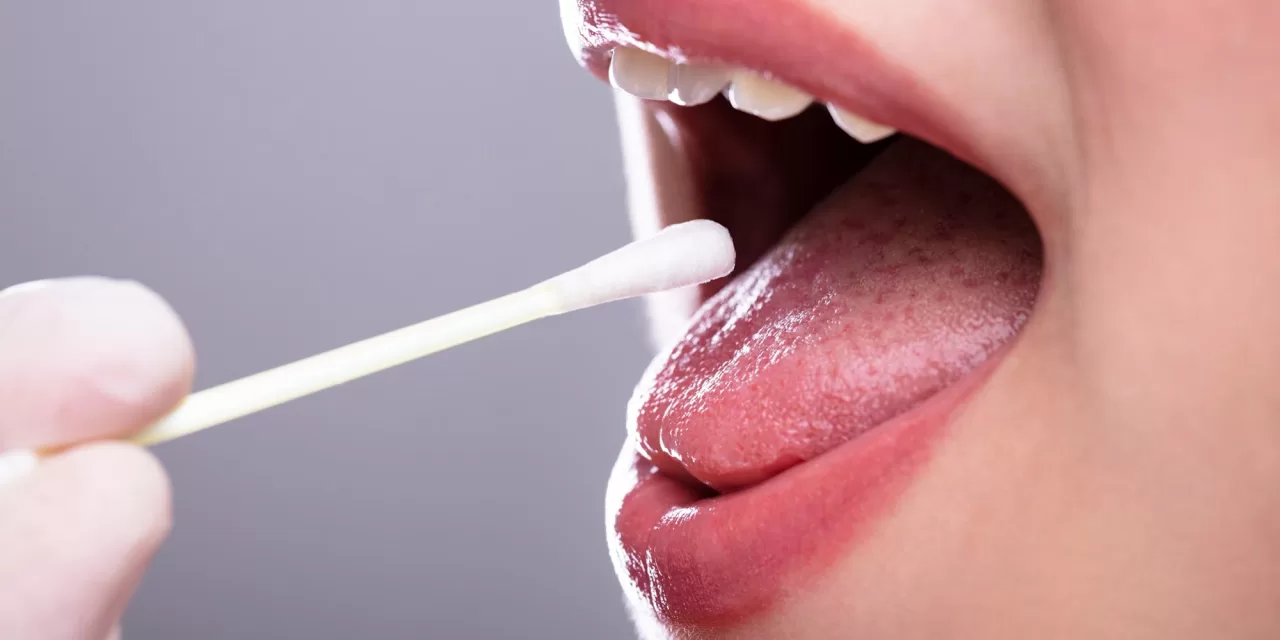
Researchers from Tulane University have developed a promising new tuberculosis (TB) screening method using a simple mouth (tongue) swab that may soon replace traditional sputum tests, potentially transforming TB detection in low-resource and community settings. This CRISPR-based test offers a rapid, painless, and easy-to-collect alternative, with strong sensitivity, addressing a significant gap in current TB diagnostics.
Key Findings and Developments
The study, published in the journal Nature Communications, introduces ActCRISPR-TB, an enhanced CRISPR assay that detects Mycobacterium tuberculosis DNA with improved amplification and speed. Clinical testing showed that this tongue swab method detected TB cases at a rate of 74%, significantly higher than the 56% detection rate of conventional sputum tests in similar samples. The assay also demonstrated high sensitivity in various difficult sample types, including respiratory samples (93%), pediatric stool (83%), and adult spinal fluid (93%).
Lead author Zhen Huang, assistant professor at Tulane’s School of Medicine, emphasized that tongue swabs are painless and easy to collect without requiring trained medical personnel. This feature could enable large-scale, community-based screening even in low-resource settings where sputum collection is challenging or impossible.
Context and Background
Tuberculosis remains the world’s deadliest infectious disease, causing millions of deaths each year, largely due to delayed or missed diagnoses. Current sputum-based tests are difficult to administer in about 25% of symptomatic TB suspects and nearly 90% of asymptomatic individuals, contributing to approximately 4 million undiagnosed cases annually worldwide.
Collecting sputum samples requires expectoration, a process many patients find difficult, especially children, people living with HIV, and those with extrapulmonary TB who do not produce sputum at all. This diagnostic gap hinders timely treatment and control of TB spread.
Implications for Public Health
If validated further and implemented widely, the simple mouth swab test could drastically improve TB case detection and accelerate treatment initiation. Easier sample collection could encourage more people to get tested early, particularly in under-resourced regions heavily burdened by TB. This method also has the potential to facilitate screening programs outside clinical settings, such as in community outreach or mobile health units.
Expert Perspectives
Dr. Anand Gupta, a pulmonologist and TB specialist unaffiliated with the study, noted, “This innovative CRISPR-based tongue swab approach holds great promise to overcome longstanding barriers in TB diagnosis, especially in populations where sputum collection is difficult.” He added, “Rapid diagnosis within an hour can significantly shorten the time to treatment and reduce transmission risk.”
However, Dr. Gupta cautioned that “larger field trials are still necessary to confirm these findings across diverse populations and to ensure the test performs well under routine program conditions.”
Limitations and Counterarguments
While the study presents encouraging sensitivity results, the tongue swab method detected TB in 74% of cases versus 56% for traditional sputum, meaning it may still miss some infections. Moreover, CRISPR technology requires specialized reagents and instrumentation, which might limit immediate adoption in very low-resource settings without further cost and infrastructure considerations.
Additionally, samples like stool and spinal fluid require careful handling and may not be practical for mass screening. The test’s performance in asymptomatic individuals and different TB strains also requires further assessment.
Practical Takeaways for Readers
For readers, this research underscores the evolving landscape of TB diagnostics toward simpler, faster, and less invasive methods. While sputum tests remain standard, advances like the ActCRISPR-TB tongue swab test offer hope for more accessible screening options, particularly in vulnerable populations such as children and immunocompromised individuals. Early and accurate diagnosis is key to effective TB control and treatment success.
Medical Disclaimer: This article is for informational purposes only and should not be considered medical advice. Always consult with qualified healthcare professionals before making any health-related decisions or changes to your treatment plan. The information presented here is based on current research and expert opinions, which may evolve as new evidence emerges.
References
- https://tennews.in/soon-a-simple-mouth-swab-may-enable-tuberculosis-screening-study/