 0
0
 0
0
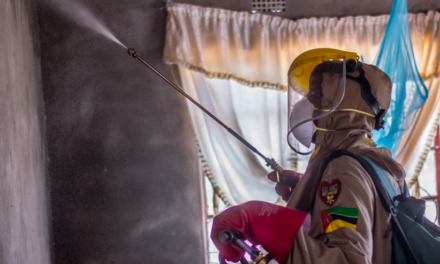
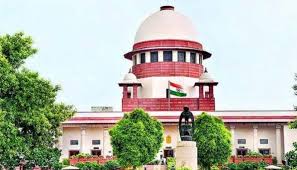
In a significant hearing on October 27, 2025, the Supreme Court of India underscored the paramount duty of the State to protect healthcare workers who risked, and in many cases sacrificed, their lives fighting the COVID-19 pandemic. The Court reserved judgment on a plea concerning the inclusion of private doctors and health professionals who died from COVID-19 in government insurance schemes, emphasizing that society will not forgive neglecting those who stood at the frontline during the crisis.
Key Developments and Court Observations
The case scrutinizes the Pradhan Mantri Garib Kalyan Package Insurance Scheme (PMGKP), launched in March 2020, which provides an insurance cover of ₹50 lakh to healthcare workers who succumbed to COVID-19 while on duty. The Supreme Court bench comprising Justices P. S. Narasimha and R. Mahadevan addressed controversial exclusions of private practitioners, dispensary staff, and those not officially requisitioned by the government from insurance benefits.
Justice Narasimha highlighted, “Society will not forgive us if we don’t take care of our doctors and don’t stand for them.” The Court challenged assumptions that private doctors served only for profit during the pandemic and insisted that the government compel insurance companies to settle all valid claims.
The Court clarified eligibility would focus on two critical criteria: (1) credible evidence that the deceased doctor offered medical services during the pandemic, including keeping their clinic or hospital open, and (2) proof that death was caused by COVID-19 infection. The Court avoided examining individual claims, opting instead to lay down broad principles to guide the implementation of insurance claims.
Expert Commentary and Context
Legal and healthcare experts lauded the Court’s stance on inclusivity and moral responsibility. Dr. Aarti Sharma, an independent public health policy analyst not involved in the case, stated, “This judgment recognizes the sacrifices of all healthcare workers, regardless of their official government status, which is crucial for equity in pandemic responses.” She emphasized that overlooking private practitioners risks undermining the healthcare ecosystem that supported millions during a public health emergency.
The Pradhan Mantri Garib Kalyan Package was intended to act as a safety net for frontline workers, but challenges in its implementation surfaced early. Notably, a Bombay High Court ruling in 2021 had narrowed benefit eligibility to only those doctors officially requisitioned by the government, excluding many private healthcare providers. This exclusion spurred pleas questioning the fairness of such restrictive definitions.
Public Health and Policy Implications
The Supreme Court’s impending guidelines carry significant public health ramifications. Ensuring fair insurance claim settlements reflects recognition of the health workforce’s sacrifices, boosting morale and reinforcing trust in the system. Inclusion of all frontline healthcare workers, including those in private and non-recognized facilities, aligns with the reality that pandemic care extended beyond public hospitals to a broad network of providers.
Moreover, as governments brace for future pandemics or health emergencies, this case underscores the necessity of comprehensive policies that safeguard the entire healthcare force, not merely a subsection. The Court’s insistence on evidence-based claim fulfillment preserves accountability while promoting compassionate coverage.
Limitations and Counterarguments
The Central Government, through Additional Solicitor General Aishwarya Bhati, argued that the insurance policies must be interpreted strictly according to contractual terms, emphasizing that the scheme was not a welfare measure but an insurance policy with defined coverage criteria and periods. The government also noted a separate ex-gratia scheme run by the National Disaster Management Authority for COVID-related deaths, hinting at parallel but distinct measures.
Critics of the Court’s approach warn that broadening eligibility could complicate claim verification and delay payments. The requirement for credible evidence of medical service and COVID-related death aims to balance inclusivity with the prevention of fraudulent claims.
Practical Takeaways for Readers
For healthcare professionals and the public, this ruling highlights an evolving recognition of all workers’ sacrifices during the pandemic—not just those officially on government duty. Families of health workers affected by COVID-19, especially in private practice, may see expanded access to insurance support.
From a broader perspective, individuals should appreciate the diverse contributions that form the backbone of a resilient healthcare system, particularly in crises. Policymakers and advocates may use this case as a precedent for inclusive health workforce protection going forward.
Medical Disclaimer
This article is for informational purposes only and should not be considered medical advice. Always consult with qualified healthcare professionals before making any health-related decisions or changes to your treatment plan. The information presented here is based on current research and expert opinions, which may evolve as new evidence emerges.
References