 0
0
 0
0
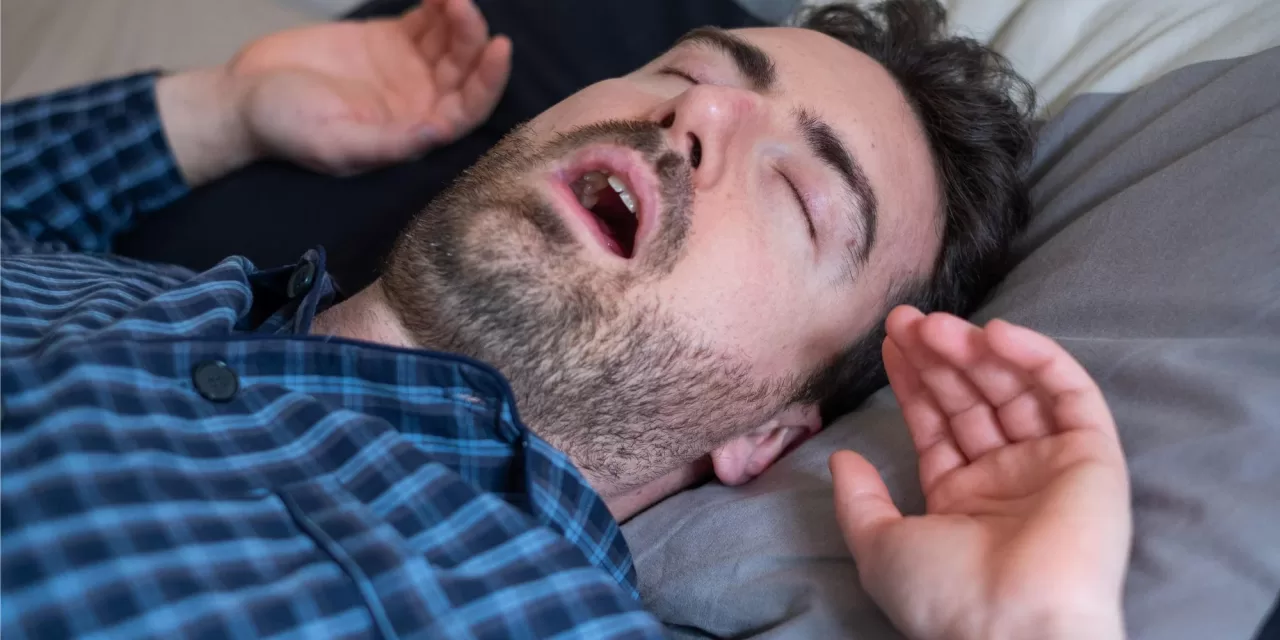
Contrary to its common portrayal as a harmless quirk—or even as a sign of deep sleep—snoring is increasingly being recognized by medical professionals as a potential warning signal for a serious health condition: obstructive sleep apnea (OSA). This sleep disorder, often underestimated and widely undiagnosed, has been called an “epidemic we’re not talking about.”
The True Face of Snoring
According to recent findings, snoring is not a sign of good sleep. In fact, it is a primary symptom of sleep apnea, a condition where a person’s airway intermittently closes during sleep, causing breathing to stop and restart repeatedly through the night. While the sleeper might be unaware, the lack of oxygen triggers micro-awakenings, leading to poor sleep quality, excessive daytime fatigue, poor concentration, and increased risk of accidents.
The Scope of the Problem
India exemplifies the global challenge. Over 104 million Indians—about 11% of adults—are estimated to suffer from sleep apnea. Men are more likely to be affected, but women are at higher risk of going undiagnosed. The disorder is linked to serious outcomes, including:
-
Heart disease and stroke
-
High blood pressure
-
Type-2 diabetes
-
Obesity and metabolic issues
-
Cognitive decline and memory problems
Despite these dangers, a significant misconception persists: A recent survey revealed that 58% of Indians believe snoring indicates a good night’s rest. In reality, the act of snoring, particularly when loud and persistent, may signal ongoing oxygen deprivation and sleep fragmentation.
Dangers of Delayed Diagnosis
Sleep experts, such as Dr. Randeep Guleria, former Director of AIIMS, have underlined that most cases of sleep apnea go undiagnosed in India and worldwide. Not only does poor sleep quality affect daily functioning, but undetected sleep apnea can indirectly contribute to car accidents due to “micro-sleeps” at the wheel, as well as long-term cardiovascular and metabolic harm.
Signs and Symptoms to Watch
Common indicators of sleep apnea include:
-
Loud, habitual snoring
-
Excessive daytime sleepiness
-
Waking up gasping or choking
-
Frequent nighttime urination
-
Morning headaches
-
Irritability and memory lapses
Moving Toward Solutions
Treatments exist, ranging from lifestyle changes and oral appliances to the use of continuous positive airway pressure (CPAP) machines, which help keep airways open during sleep. Experts stress the critical importance of increasing public awareness, timely diagnosis by sleep specialists, and appropriate management.
“Snoring is not just a matter of embarrassment or comic relief,” says Dr. Sanjay Manchanda, a New Delhi-based sleep specialist. “It often points to a deeper problem that is completely curable with proper treatment”.
Disclaimer
This article is based on recent research and expert opinions from publicly available sources. It is intended for informational purposes only and should not be considered a substitute for professional medical advice, diagnosis or treatment. If you or someone you know experiences persistent snoring or signs of sleep disturbances, consult a qualified healthcare provider promptly.