 0
0
 0
0
Chennai, India — Snoring is often dismissed as a harmless annoyance or even a sign of deep sleep, but new insights from health experts suggest it could be a red flag for serious heart issues, particularly in India, where cardiovascular diseases are already on the rise.
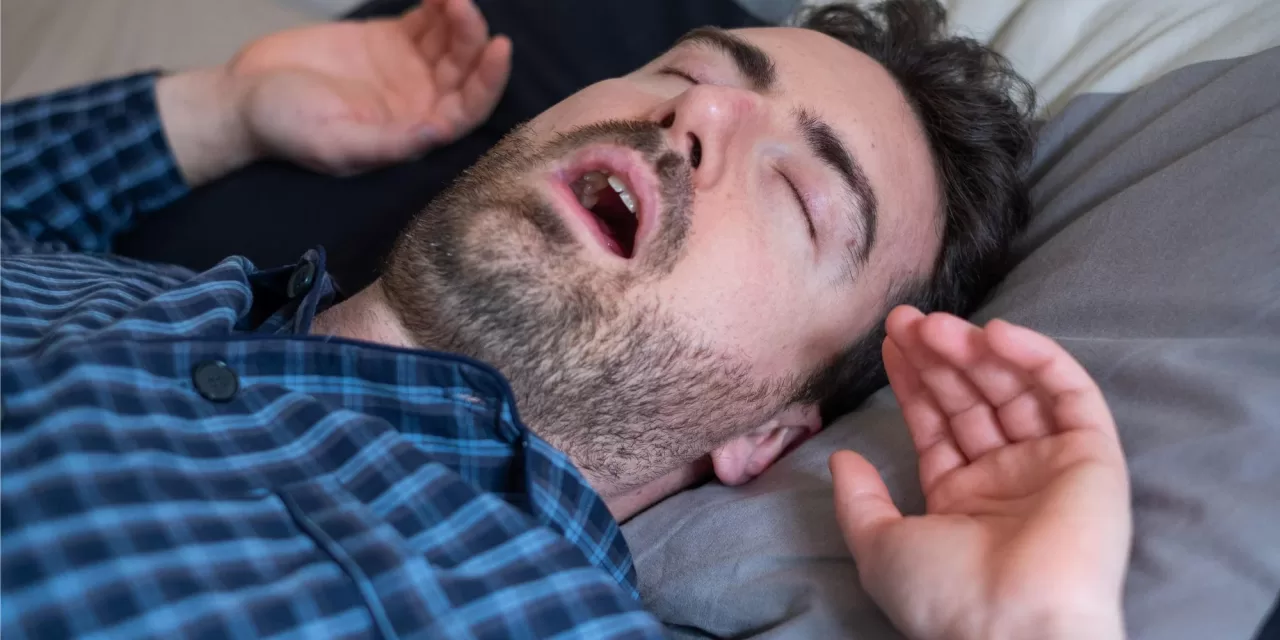
Snoring: More Than Just a Nuisance
According to Dr. Aishwarya Rajkumar, Clinical Lead of Transplant Pulmonology at Rela Hospital, Chennai, snoring should not be taken lightly. “Snoring is not a sign of good sleep,” Dr. Rajkumar cautions. “In fact, it can be an early indicator of something far more serious called obstructive sleep apnoea (OSA).”
OSA is a condition where the airway becomes partially or completely blocked during sleep, leading to repeated pauses in breathing and drops in oxygen levels. Over time, these episodes of oxygen deprivation can strain the heart and blood vessels, increasing the risk of hypertension, heart blocks, arrhythmias, and even heart failure.
A Widespread, Underdiagnosed Problem
Recent studies estimate that 104 million Indians suffer from sleep apnoea, with nearly 47 million experiencing moderate to severe forms. Yet, only about 2 percent have received treatment. The problem, experts say, is that snoring and related symptoms are often normalized or overlooked.
“Daytime drowsiness, irritability, and morning headaches are common complaints, but people rarely connect them to sleep apnoea,” Dr. Rajkumar explains. “When these symptoms are combined—especially in people who are overweight—the risk to heart health multiplies.”
The Obesity Connection
Obesity is a major risk factor for OSA. “Fat deposits around the neck and upper airway make the passage of air narrower. That is why many obese individuals snore; it is not just fat, it is physics,” says Dr. Rajkumar. Repeated drops in oxygen levels night after night can quietly damage blood vessels, sometimes culminating in a silent cardiac arrest during sleep.
What Should You Do?
If you or someone you know is a loud snorer, overweight, constantly tired during the day, or wakes up feeling unrested, it may be time to seek medical advice. Dr. Rajkumar recommends undergoing a sleep study, a test that monitors breathing patterns, oxygen levels, and sleep disturbances overnight.
Treatment options vary. Lifestyle changes such as weight loss and exercise can help some patients, while others may benefit from devices like CPAP (Continuous Positive Airway Pressure) machines, which keep airways open during sleep. In certain cases, surgery may be necessary to address structural issues.
Takeaway
Snoring is not just a harmless habit—it could be your body’s way of warning you about underlying heart risks. With millions of Indians affected but undiagnosed, experts urge the public to take snoring seriously and consult a healthcare professional if symptoms persist.
Disclaimer:
This article is for informational purposes only and is not a substitute for professional medical advice, diagnosis, or treatment. Always seek the advice of your physician or other qualified health provider with any questions you may have regarding a medical condition.
Citations: