 0
0
 0
0
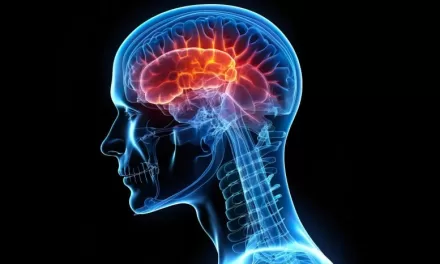
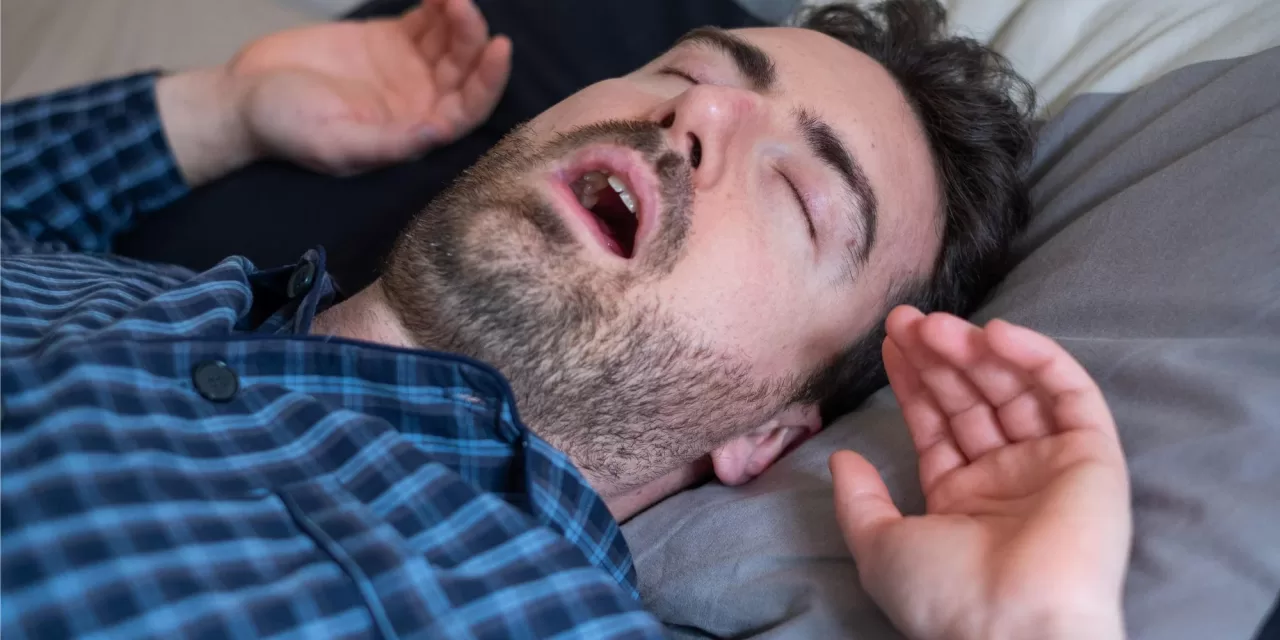
Snoring, long dismissed as a harmless sleep quirk, has taken on a more ominous meaning for millions in India, where neurologists now warn that it may be a sign of sleep apnea — a serious condition that raises stroke risk up to four times. Ahead of World Stroke Day on October 29, leading experts emphasize that stroke is striking increasingly younger, with nearly 1.8 million new cases and one death every four minutes reported nationwide.
Key Findings and Developments
Recent warnings from neurologists and new research both point to an alarming link: snoring and sleep apnea are potent, under-recognized risk factors for stroke. According to Dr. Rajat Chopra, Senior Consultant and Head, Department of Neurology at Yatharth Hospital, sleep apnea is present in up to 50–60% of stroke patients, and those affected may have up to a fourfold increased risk of experiencing a stroke compared to the general population. This finding echoes several large-scale international studies, which demonstrate that moderate to severe sleep apnea doubles or even triples stroke risk, independent of high blood pressure, diabetes, or smoking status.
India’s stroke burden continues to escalate — annual incidence now ranges from 119 to 145 per 100,000 people, with a marked shift towards younger age groups. Between 1990 and 2021, the country saw stroke cases among persons aged 15–49 rise sharply, making up about 1 in 7 new diagnoses. Notably, a growing proportion of cases are occurring in women, particularly those aged 25 and older, due in part to hormonal shifts, pregnancy-related factors, and longer life expectancy.
Expert Quotes and Commentary
“Snoring during sleep should not be taken lightly,” advises Dr. Chopra. “Sleep apnea is a major risk factor and can raise stroke chances up to fourfold. Stroke is no longer only an old-age disease — younger populations are increasingly affected due to factors like hypertension, obesity, sedentary lifestyles, and unrecognized sleep apnea”.
Dr. Sunil Kumar, Director and Head, Department of Neurosurgery, echoes these concerns: “Recognizing early stroke symptoms is crucial. We encourage the public to remember the FAST acronym: Facial drooping, Arm weakness, Speech difficulty, and Time to act fast. Immediate hospital care within the first 4.5 hours of stroke onset can save lives and prevent permanent disability”.
International research corroborates these warnings. A 2018 meta-analysis published in PubMed Central found obstructive sleep apnea (OSA) carries about a twofold increased risk of incident stroke, after controlling for other vascular risk factors. The Sleep Heart Health Study and multiple cohort studies highlight that sleep apnea increases both fatal and non-fatal cardiovascular events, while effective treatment, notably with continuous positive airway pressure (CPAP), reduces those risks.
Context and Background
Stroke remains one of India’s leading causes of death and disability, with over 1.8 million new cases reported annually and a significant impact on working-age populations. The incidence in India has doubled over recent decades, driven by rapid urbanization, changing lifestyles, rising rates of hypertension, diabetes, tobacco use, and increased prevalence of obesity and sleep disorders. Women account for 56% of cases, underscoring the need for gender-sensitive prevention and intervention.
Sleep apnea, often marked by loud snoring and disrupted breathing, causes repeated drops in oxygen levels during sleep. Over time, this can damage blood vessels, promote inflammation, and lead to higher blood pressure — all key contributors to stroke risk. Yet, sleep apnea remains underdiagnosed in India, especially among younger adults and women, whose symptoms may be mistaken for migraine, depression, or regular fatigue.
Implications for Public Health
The evidence is clear: identifying and treating sleep apnea could prevent thousands of strokes annually in India. Experts urge adults who snore loudly, feel excessively tired during the day, or experience headaches or mood changes to seek medical evaluation. Screening for sleep disorders, along with traditional risk factors like hypertension and diabetes, should become standard practice for stroke prevention.
Preventive strategies, including regular physical activity, weight management, controlling blood pressure and cholesterol, and smoking cessation, remain paramount. Adequate sleep — 7–9 hours nightly — and stress management practices such as yoga or meditation may help mitigate risk. For women, monitoring for migraine, menopause-related changes, and pregnancy complications is especially important.
Immediate recognition of stroke symptoms using the FAST acronym and fast medical attention can drastically improve outcomes. Timely treatment within 4.5 hours may save lives and reduce lifelong disability.
Potential Limitations and Counterarguments
While the link between sleep apnea and increased stroke risk is well supported, the magnitude of risk may vary according to severity of sleep apnea, age, sex, and presence of other comorbidities. Some studies report a twofold risk, while Indian clinicians have observed as much as fourfold elevation among their stroke patients — likely reflecting differences in population, diagnostic methods, and comorbid risk factors.
Disparities in access to healthcare, underdiagnosis of sleep apnea, and regional differences complicate accurate stroke risk estimation and prevention strategies. Urban centers generally report higher stroke rates but also have better access to care and outcomes; rural regions may be underrepresented in official statistics.
Moreover, while CPAP therapy appears promising, adherence rates are low, and more research is needed to tailor interventions for India’s diverse population.
Practical Implications for Readers
-
Loud snoring may be more than an inconvenience — it can be a warning sign. If persistent, consult a healthcare professional for evaluation.
-
Know your stroke risk: monitor blood pressure, cholesterol, weight, sleep quality and duration, and family history.
-
Practice FAST: immediate action if symptoms of stroke appear — facial droop, arm weakness, speech difficulty, time to act.
-
Adopt preventive habits: regular physical activity, heart-healthy diet (low in salt and saturated fats), avoid smoking and alcohol.
-
Women and younger adults should be especially vigilant: pay attention to migraine or mood symptoms and get screened if at elevated risk.
-
Seek screening for sleep disorders if you snore loudly, struggle with daytime fatigue, or experience mood disturbances.
Medical Disclaimer
Medical Disclaimer: This article is for informational purposes only and should not be considered medical advice. Always consult with qualified healthcare professionals before making any health-related decisions or changes to your treatment plan. The information presented here is based on current research and expert opinions, which may evolve as new evidence emerges.
References