 0
0
 0
0
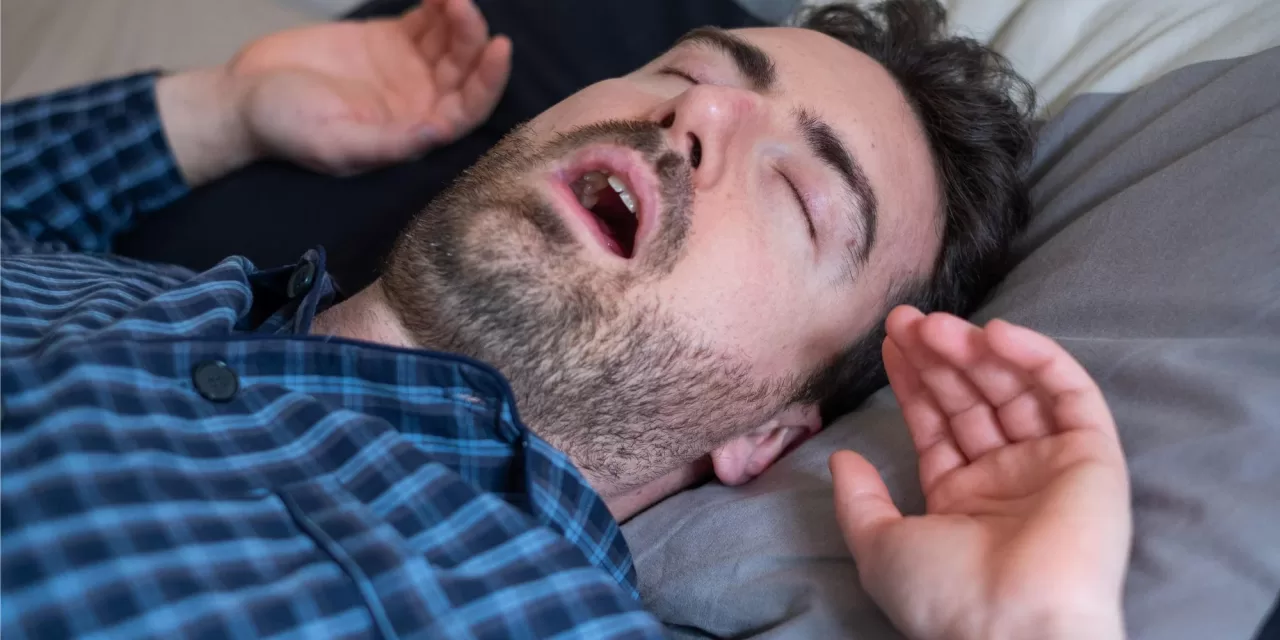
Recent health discussions have highlighted the serious implications of chronic snoring, a common but often overlooked sleep issue. According to medical experts, snoring is not just a nighttime nuisance but can also signal underlying health risks, including serious cardiovascular problems.
The Link Between Snoring and Heart Health
Snoring occurs when tissues in the airway vibrate as air passes over them during sleep, often due to factors such as obesity, sleeping on the back, or anatomical issues in the throat. While occasional snoring may be harmless, chronic or heavy snoring can be a symptom of obstructive sleep apnea (OSA), a condition where breathing repeatedly stops and starts during sleep. This leads to sudden drops in blood oxygen levels, causing stress hormones like adrenaline and cortisol to surge, which in turn raises blood pressure and strains the cardiovascular system.
Risks and Long-Term Effects
Long-term consequences of untreated snoring and sleep apnea include increased risk of hypertension, irregular heart rhythms, heart attacks, heart failure, and even stroke. The repeated interruptions in breathing can cause the heart walls to stiffen, reducing the heart’s efficiency and potentially leading to atrial fibrillation—a dangerous irregular heartbeat. Additionally, the vibrations from snoring can thicken the carotid arteries, further increasing the risk of vascular diseases.
Who Is at Risk?
Snoring is more common in men and older adults, but it can affect anyone, including children. Risk factors include obesity, alcohol consumption, sedative use, smoking, and nasal congestion. People with these risk factors should be especially vigilant about monitoring their snoring habits.
How to Stop Snoring and Protect Heart Health
Several strategies can help reduce snoring and its associated health risks:
-
Lifestyle Changes: Maintain a healthy weight, avoid alcohol and sedatives before bed, and quit smoking.
-
Sleep Position: Sleep on your side instead of your back to reduce airway obstruction.
-
Nasal Strips and Dilators: Use nasal strips or dilators to improve airflow.
-
Mouth Exercises: Strengthening mouth, tongue, and throat muscles can reduce snoring.
-
Medical Devices: Continuous positive airway pressure (CPAP) machines are effective for treating sleep apnea.
-
Surgery: In some cases, surgical procedures to remove or tighten throat tissues may be necessary.
Conclusion
Chronic snoring should not be ignored, as it can be a warning sign of serious heart health issues. Addressing the underlying causes and seeking appropriate treatment can significantly reduce the risk of cardiovascular complications and improve overall well-being.
Disclaimer:
The information provided in this article is for educational and informational purposes only and is not intended as medical advice. Always consult a qualified healthcare professional for diagnosis and treatment of snoring or any related health concerns. The views and opinions expressed are based on current medical literature and expert sources but should not replace personalized medical consultation.