 0
0
 0
0
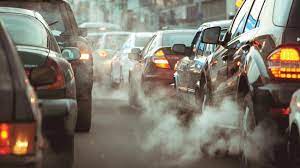
New Delhi, October 28, 2025 — As India’s capital enters yet another smog-choked winter, air quality in Delhi has sharply deteriorated, with the city recently registering some of the world’s highest levels of particulate pollution. Despite years of policy interventions, authorities and public health experts warn that the coming weeks could bring new hazards for millions of residents, as both environmental and health data point to a severe, ongoing crisis.
The Crisis Unfolds:
In late October, Delhi and adjoining regions awoke to dense smog, with the Air Quality Index (AQI) hovering in the ‘very poor’ to ‘severe’ category. According to the Central Pollution Control Board, Delhi’s AQI surged to 315 on October 27, and neighboring cities such as Noida and Ghaziabad saw similarly hazardous levels. For context, any AQI above 200 is considered “unhealthy”; values over 300 are classified as “hazardous” to public health. The timing coincides with winter’s arrival, when lower temperatures and weakened winds worsen pollution by trapping airborne particles close to the ground—a phenomenon aggravated after the Diwali festival, which increases emissions due to widespread fireworks.
Key Findings & Developments
Pollution Peaks and Data Gaps
While residents experienced burning eyes, sore throats, and breathlessness, this year’s crisis has been marked by notable gaps in official data. A technical failure at many air quality monitoring stations around Diwali resulted in incomplete AQI tracking at the peak of the pollution episode—raising questions about true exposure risks and crisis management. On October 21, AQI levels likely topped 400 (‘severe’) despite official readings appearing less dire in some locations. The city’s average AQI for late October remains the highest seen in at least five years.
Artificial Rain as Emergency Response
Recognizing the gravity of this crisis, Delhi authorities have turned to emergency measures. The city is poised to conduct its first artificial rain operation—through cloud seeding—between October 28–30, pending suitable weather conditions. Cloud seeding involves dispersing particles such as silver iodide or salt into clouds to stimulate rainfall, potentially helping to “wash out” airborne pollutants. While the Delhi government has partnered with IIT Kanpur for technical guidance and conducted successful trial flights, experts emphasize that artificial rain is a stopgap—not a substitute for long-term pollution control.
Health Effects: What Do Experts Say?
Air pollution in Delhi now poses a year-round threat, not just during winter or festival season. Exposure to fine particulate matter (PM2.5), nitrogen oxides, and ozone can penetrate deep into the lungs and bloodstream, causing a cascade of short- and long-term health problems.
Cardiologist Dr. Vikash Goyal (Paras Health, Gurugram) explains that high pollution peaks after Diwali increase risks for people with existing heart conditions, potentially triggering arrhythmias, hypertension spikes, and even heart attacks. “Patients often experience chest discomfort, fatigue, palpitations, and shortness of breath. Avoiding outdoor exposure during high pollution hours and regular heart health monitoring are critical precautions,” he recommends.
Neurologist Dr. Amit Batra (Max Super Speciality Hospital) highlights growing evidence on how air pollution can trigger not only respiratory issues but also sinus inflammation and severe migraines. “Fine particles can irritate the trigeminal nerve, amplifying headaches and migraine attacks,” he notes.
Child health experts, drawing on studies from The New England Journal of Medicine, warn that repeated exposure impairs lung growth in children—an impact that can be lifelong. “Short-term spikes in pollution trigger asthma, bronchitis, and systemic illnesses in children, while sustained exposure stunts lung capacity and immune function,” says Dr. Bansal.
Policy and Public Health Context
Persistent Challenges
Despite bans on non-compliant fireworks and supportive regulatory measures, enforcement remains inconsistent. Experts like Dr. Anurag Agrawal (Ashoka University) assert that real progress requires implementation of existing anti-burning and pollution control laws. “Managing public transport, vehicle emissions, and industrial waste is essential. Otherwise, history will keep repeating itself,” Dr. Agrawal states.
Delhi’s annual air quality crisis is shaped by unique geographical and meteorological factors, including wind stagnation and temperature inversions. The use of so-called “green crackers” during Diwali, though slightly less polluting than traditional fireworks, did little to prevent a spike in PM2.5 levels up to 59 times higher than WHO guidelines.
Cloud Seeding: Promise and Pitfalls
Cloud seeding is being closely watched nationwide, but scientists caution that artificial rain, while likely able to provide short-lived relief, is not a long-term fix for chronic urban air pollution. According to Dr. Rekha Gupta, Delhi’s chief minister, even a successful downpour will need to be paired with systemic environmental reforms to break the annual cycle of toxic air.
Practical Implications: What Can Residents Do?
With air quality expected to remain hazardous, leading health authorities recommend:
-
Minimizing outdoor activity, especially for vulnerable groups such as children, the elderly, and people with chronic illnesses.
-
Using certified N95 or N99 masks when outside.
-
Running air purifiers indoors, sealing windows and doors to limit outdoor air ingress.
-
Following government advisories regarding school closures and traffic restrictions.
-
Managing chronic conditions proactively—taking prescribed medication, scheduling check-ups, and monitoring symptoms closely.
Public health campaigns urge residents not to rely solely on technological “quick fixes” like artificial rain but to demand stronger enforcement and sustained pollution control efforts citywide.
Limitations and Counterarguments
Some critics question the scalability and cost-effectiveness of cloud seeding, especially given the variable weather conditions and uncertain rainfall outcomes. Others highlight persistent data gaps and uneven enforcement of pollution controls as barriers to real progress. There is also debate over the efficacy of temporary measures like vehicle restrictions and sprinkler trucks unless coupled with deeper, structural reforms.
References
Medical Disclaimer
This article is for informational purposes only and should not be considered medical advice. Always consult with qualified healthcare professionals before making any health-related decisions or changes to your treatment plan. The information presented here is based on current research and expert opinions, which may evolve as new evidence emerges.