 0
0
 0
0
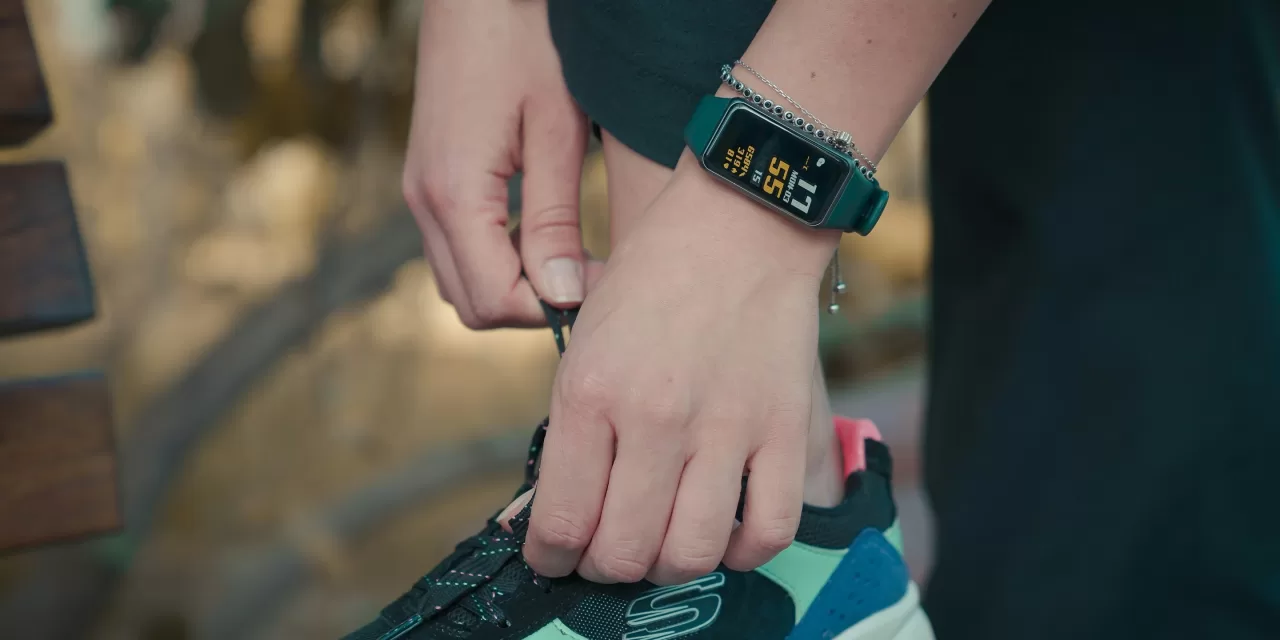
In a significant leap for digital health monitoring, researchers at Washington State University (WSU) have developed an advanced computer algorithm that uses smartwatch data to recognize what wearers are doing in their daily lives with an accuracy rate of 78%. The study, recently published in the IEEE Journal of Biomedical and Health Informatics, could pave the way for improved assessments in cognitive health, rehabilitation, chronic disease management, and post-surgical recovery.
Unlike previous research that focused on monitoring physical movements like sitting or walking in controlled laboratory settings, this new model analyzes data from routine activities such as working, eating, running errands, socializing, or relaxing. Over eight years, WSU researchers gathered more than 32 million labeled data points from 503 volunteers, who were periodically prompted by an app on their smartwatch to self-report their current activity from a list of 12 categories.
“Understanding how well a person performs daily tasks—such as bathing, managing finances, or cooking—is crucial for promoting independence, especially among the elderly and individuals with chronic illness,” noted Diane Cook, Regents Professor at WSU’s School of Electrical Engineering and Computer Science, who led the study. The automated recognition of everyday activities provides a more comprehensive picture of a person’s health and functional status—information that is often difficult for healthcare professionals to obtain, especially outside clinical environments.
The researchers’ AI-powered model could predict real-world activities with 77.7% accuracy, showcasing its potential to facilitate early interventions and help families and medical professionals assess when caregiving assistance might be needed. Importantly, the authors have made their methods and anonymized dataset publicly available to advance further research in behavior-aware digital health tools.
Cook emphasized, “This work lays the foundation for more advanced, behavior-aware applications in digital health and human-centered AI, bringing us closer to automated ways to support health, monitor independence, and eventually improve patient outcomes.”
Disclaimer: This report is for informational purposes only and is not a substitute for professional medical advice. Always consult a qualified healthcare provider for guidance regarding health and wellness.
Reference: Smartwatches allow researchers to identify human activity with 78% accuracy (2025, August 14) retrieved 16 August 2025 from Medical Xpress.