 0
0
 0
0
A technological revolution is transforming the way people with Type 1 Diabetes Mellitus (T1DM) manage their condition. Smart insulin pens, coupled with connected care systems, are emerging as powerful tools to improve insulin adherence, optimize glucose control, and enhance diabetes self-management. Recent studies and expert reviews highlight emerging benefits, practical implications, and challenges in integrating these technologies into routine care, offering renewed hope for millions living with T1DM globally.
Key Developments in Smart Pen Technology for T1DM
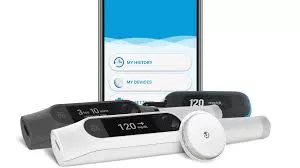
Smart insulin pens are reusable injection devices equipped with Bluetooth connectivity that interface seamlessly with smartphone apps to record and track insulin dosing data. Unlike traditional insulin pens, smart pens provide detailed logs of when and how much insulin is administered, offer dose reminders, calculate active insulin on board (IOB), and can sync with continuous glucose monitoring (CGM) systems to give users real-time insight into their glucose and insulin dynamics.
A notable study involving users of the NovoPen6 demonstrated that smart pens can significantly improve insulin adherence in people with T1DM. Over six months, the incidence of missed bolus doses dropped by 43%, accompanied by a 1.9-hour daily increase in time spent within the target glucose range (70-180 mg/dL). Importantly, the technology also helped reduce the duration of both high and dangerously low glucose episodes, illustrating improved glycemic control.
Expert Perspectives on Clinical Impact
Dr. Linda Griffin, a diabetes specialist, highlights that “smart connected pens reduce the likelihood of dosing errors and alleviate anxiety about insulin administration, which is critical for patient safety.” She shares feedback from her patients who report increased confidence and peace of mind, particularly in eliminating uncertainty about whether insulin was recently injected — a common worry for many people with T1DM.
Further, endocrinologists see smart pens as bridging technology for patients who want to transition from multiple daily injections (MDI) to insulin pumps or those seeking a “pump holiday” without losing advanced features like bolus calculators and accurate dose tracking. This personalized approach supports tailored insulin adjustments according to lifestyle and nutritional intake.
Context and Background: Challenges in T1DM Management
T1DM requires lifelong insulin therapy, often involving complex dosing regimens that must be coordinated with meals, physical activity, and glucose monitoring to avoid spikes and dips in blood sugar. Patients face many challenges: forgetting doses, miscalculating insulin amounts, and timing boluses relative to food intake are significant barriers contributing to poor glycemic control and increased risk of complications. Post-prandial glucose spikes and hypoglycemia remain persistent issues.
Smart pens address several of these issues by incorporating bolus calculators and insulin reminders, and by enabling better education on the relationship between insulin, food, and activity. For example, clinical evidence shows that delivering rapid-acting insulin 15–20 minutes before meals significantly reduces post-meal hyperglycemia and the risk of hypoglycemia. Smart pens reinforce these timing strategies, provide real-time feedback, and can highlight insulin stacking or missed doses, all contributing to safer insulin management.
Implications for Public Health and Daily Life
The integration of smart pens into connected care systems signifies a shift toward more proactive, data-driven diabetes management. By syncing insulin dosing with CGM data, health professionals gain access to objective, comprehensive information about patient adherence and glycemic patterns, enabling more informed clinical decisions.
For patients, this means less guesswork, fewer adverse events, and better quality of life. In children and young adults, smart pens facilitate caregiver collaboration by sharing insulin delivery data and supporting carbohydrate counting through bolus calculators. For older adults, these devices provide critical assistance in managing insulin doses despite cognitive or dexterity challenges, potentially reducing the risk of hypoglycemia and hospitalizations.
Moreover, the use of connected care platforms incorporating telemedicine and mobile health technologies can enhance access to diabetes specialists, especially in underserved and remote areas, thus promoting equity in diabetes care.
Limitations and Counterarguments
While promising, smart pen technology faces barriers such as higher initial costs compared to traditional pens, potential user embarrassment, or reluctance to adopt new devices requiring smartphone use. There is also a need for extensive patient and clinician education to interpret device data effectively and integrate it into personalized care plans.
Limited Medicare coverage and technical challenges like data interoperability and maintenance may hinder widespread adoption. Additionally, the impact of smart pens on long-term health outcomes remains an area for ongoing research to validate sustained benefits across diverse patient populations.
Conclusion
Smart insulin pens integrated within connected care frameworks represent an important advance in T1DM management by enhancing adherence, improving glycemic control, and empowering patients with actionable information. As healthcare systems continue to embrace digital solutions, smart pens can offer a safer, simpler, and more effective alternative or complement to existing insulin delivery methods, with the potential to improve clinical outcomes and quality of life for people living with T1DM.
Medical Disclaimer: This article is for informational purposes only and should not be considered medical advice. Always consult with qualified healthcare professionals before making any health-related decisions or changes to your treatment plan. The information presented here is based on current research and expert opinions, which may evolve as new evidence emerges.
References