 0
0
 0
0
April 30, 2025 – A new modeling study published in the Journal of the American Medical Association (JAMA) has raised alarms about the potential resurgence of measles and other vaccine-preventable diseases if childhood vaccination rates continue to decline.
Researchers simulated the effects of falling vaccination coverage for diseases such as measles, rubella, polio, and diphtheria. Their findings are sobering: even at current vaccination levels, measles could infect more than 850,000 people and cause over 2,500 deaths annually in the United States alone. Should vaccination rates drop by just 10% more, the model predicts annual measles cases could skyrocket to over 11 million.
Measles: A Highly Contagious Threat
Measles remains one of the most contagious diseases known. A single infected person can transmit the virus to between 12 and 18 others-far higher than the average for influenza or COVID-19. To prevent outbreaks, at least 95% of the population must be vaccinated. However, vaccine coverage is falling short in many countries. For example, in England, less than 84% of five-year-olds had received both doses of the measles, mumps, and rubella (MMR) vaccine in 2024.
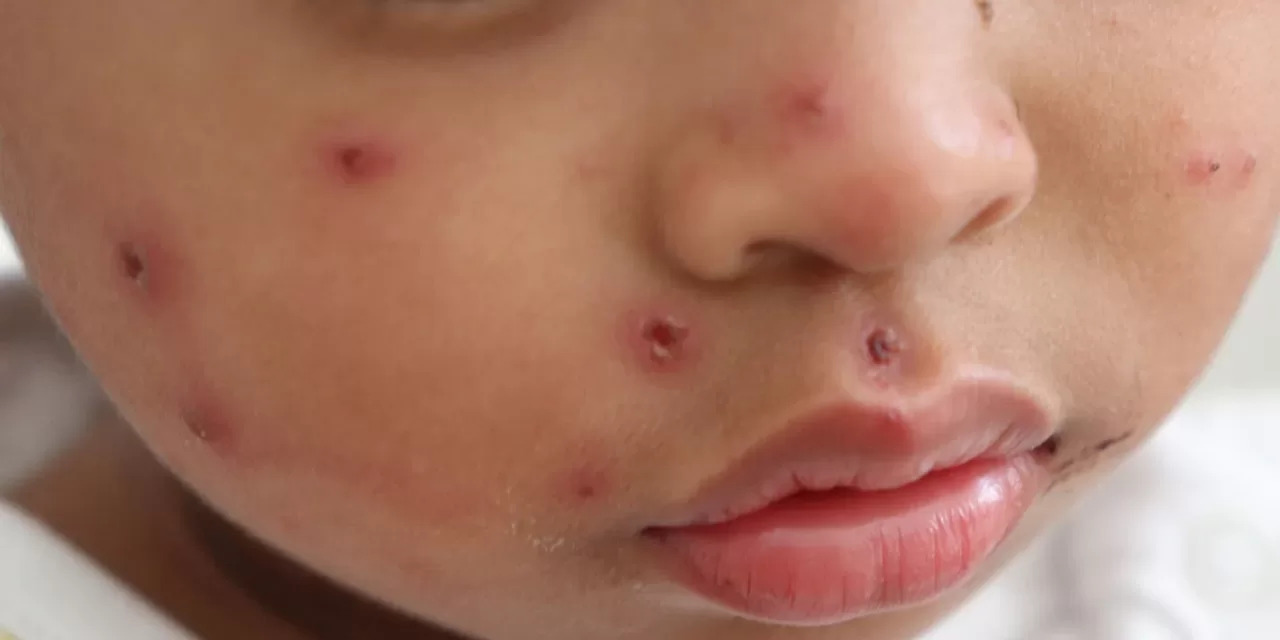
The consequences of measles are severe: about 1 in 5 children with the disease require hospital care, 1 in 20 develop pneumonia, and 1 in 1,000 suffer encephalitis, a potentially life-altering brain infection. Up to 3 in every 1,000 children who contract measles will die.
The Importance of Herd Immunity
The MMR vaccine is highly effective, offering protection to more than 97% of those who receive both doses. However, some individuals-such as pregnant women, infants, and those with weakened immune systems-cannot be vaccinated and rely on herd immunity for protection. When vaccination rates dip below the critical threshold, these vulnerable groups are placed at increased risk.
Factors Behind Falling Vaccination Rates
Several factors have contributed to declining vaccination rates. The COVID-19 pandemic caused the most significant drop in global vaccination in 30 years, and many countries are still working to recover. Conflict, natural disasters, and persistent vaccine hesitancy-fueled by misinformation-also play a role. One enduring myth is the debunked claim that the MMR vaccine is linked to autism. Extensive research, including a meta-analysis of over 1.25 million children, has found no connection.
Real-World Consequences
Already in 2025, the United States has reported nearly 900 measles cases, including three deaths. If vaccination rates continue to fall, other diseases like rubella, polio, and diphtheria could also return to endemic levels, undoing decades of public health progress.
Conclusion
Vaccination remains one of the most effective tools to protect children and communities from dangerous diseases. Experts urge parents and caregivers to seek accurate information and ensure children receive recommended vaccines, not only for their own health but also to safeguard those who cannot be vaccinated.
Disclaimer:
This article is based on findings from a peer-reviewed study published in the Journal of the American Medical Association and information provided by Medical Xpress. It is intended for informational purposes only and should not be considered a substitute for professional medical advice. For questions or concerns about vaccines or immunization schedules, please consult a qualified healthcare provider.
Citations: