 0
0
 0
0
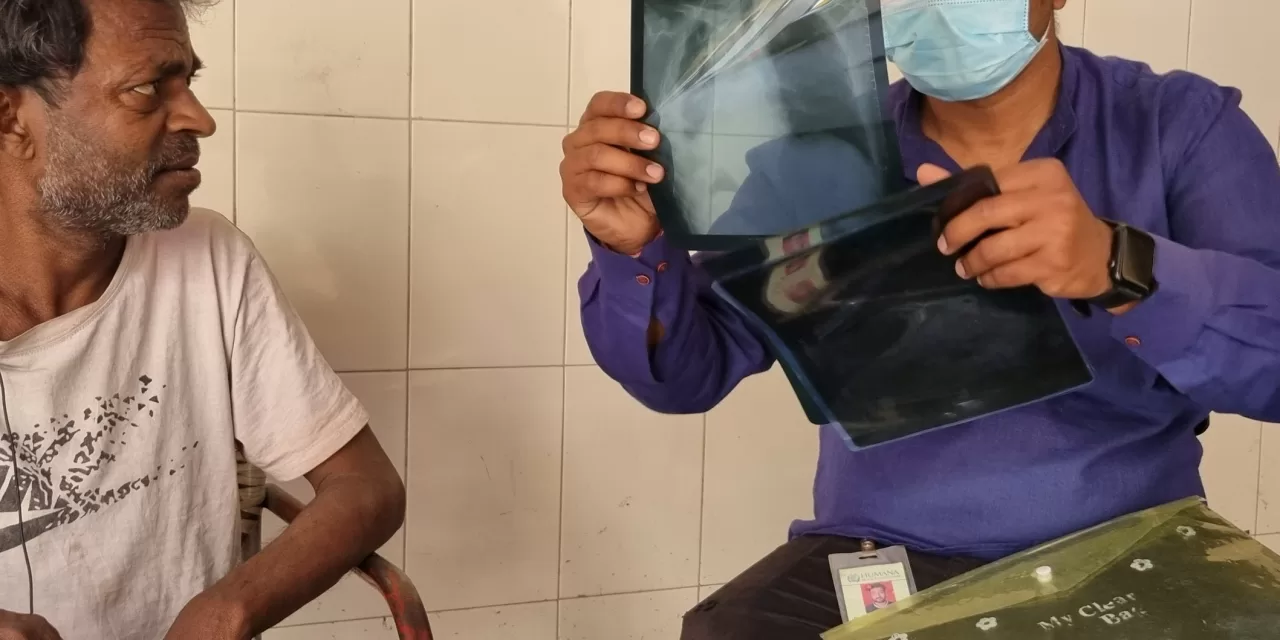
A recent study has revealed that a minor modification in the MBBS (Bachelor of Medicine, Bachelor of Surgery) education curriculum could significantly enhance the early detection of tuberculosis (TB) in India, a country that continues to shoulder a substantial portion of the global TB burden. The findings suggest that integrating targeted TB training into medical education could better equip future doctors to identify and manage TB cases promptly, potentially saving thousands of lives.
The Study and Its Implications
The research, highlighted by The Hindu, underscores that even a small curricular change—such as dedicating more time to TB case identification and management during undergraduate medical training—can have a substantial impact on public health outcomes. Early detection is crucial in TB control, as it enables timely treatment, reduces transmission, and improves patient prognosis.
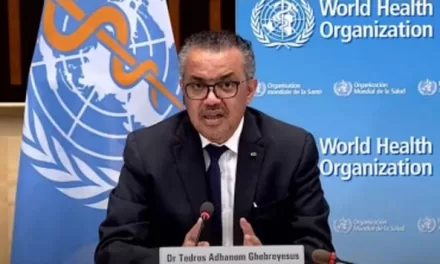
India, despite making progress in reducing TB cases and deaths over the past decade, still accounts for more than a quarter of the world’s TB cases and nearly 30% of TB-related deaths. The World Health Organization (WHO) has identified diagnosis as the weakest link in TB care, especially in resource-limited settings where traditional diagnostic tools like sputum tests may fall short.
The Role of Medical Education
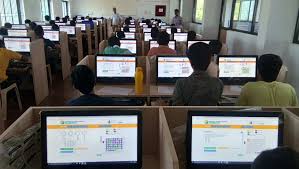
Medical colleges play a pivotal role in the National Tuberculosis Elimination Programme (NTEP), and recent moves toward competency-based medical education (CBME) are seen as accelerators in the fight against TB. By enhancing the curriculum to include more practical training on TB detection—such as the use of advanced diagnostic tools and awareness of atypical presentations—future physicians can become more adept at early identification and intervention.
Professional bodies, such as the Indian Chest Society, have also raised concerns about any reduction in respiratory medicine content in the MBBS syllabus, emphasizing its importance amid rising respiratory health challenges.
Technology and Early Detection
The study’s findings align with broader health policy trends advocating for the use of new technologies and diagnostic methods, such as molecular tests (e.g., NAATs, Xpert MTB/RIF), AI-assisted imaging, and rapid immunoassays, all of which have shown promise in improving the speed and accuracy of TB diagnosis. However, the foundation for effective use of these technologies begins with robust training at the undergraduate level.
Conclusion
As India strives to meet its ambitious TB elimination targets, strengthening the medical curriculum to prioritize early TB detection could be a cost-effective and impactful strategy. The study calls for policymakers and medical educators to consider immediate, evidence-based updates to the MBBS syllabus to better prepare the next generation of doctors for the ongoing fight against tuberculosis.
Disclaimer: This article is based on information from a published report and related sources. The findings and recommendations discussed are subject to further validation and should not be construed as official policy until endorsed by relevant health authorities. Readers are advised to consult primary sources and healthcare professionals for clinical decision-making.