 0
0
 0
0
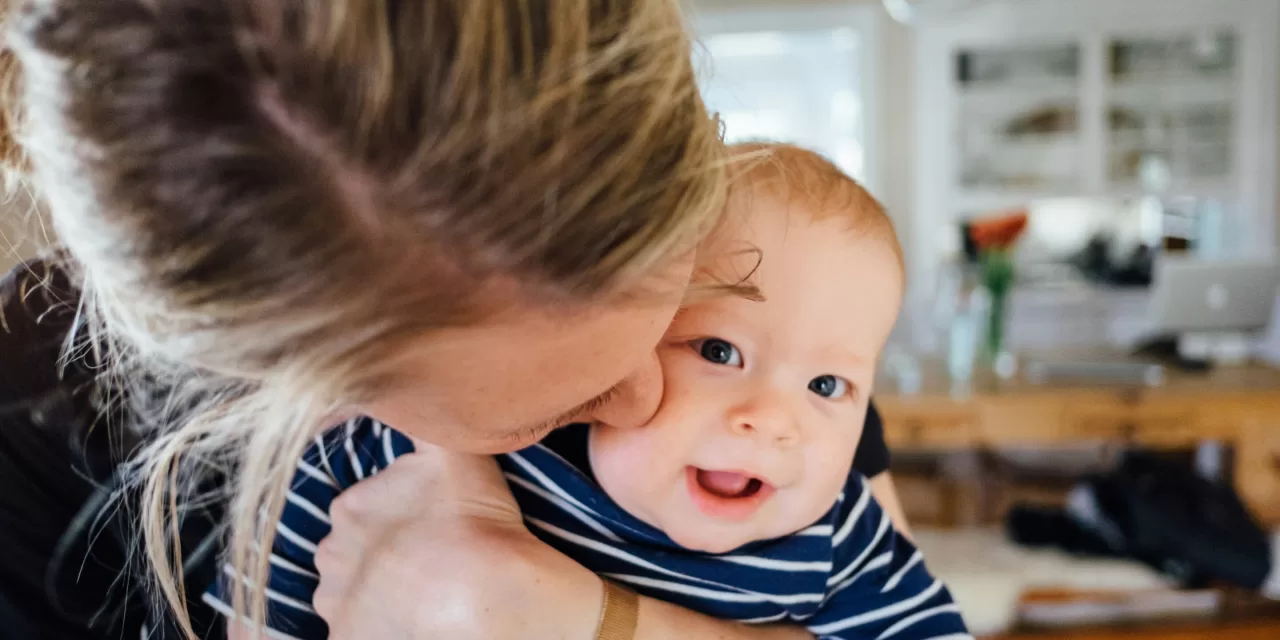
Skin-to-skin contact, also known as kangaroo care, has emerged as a powerful support for brain development in very preterm infants, according to recent research published in 2025. The study followed 88 infants born before 32 weeks’ gestation who received daily skin-to-skin sessions during their hospital stay. Findings revealed that longer and more consistent skin-to-skin contact significantly enhanced the development of critical brain pathways involved in memory, attention, and emotional regulation, underscoring the intervention’s potential to improve neurodevelopmental outcomes during a vulnerable period.
Key Findings and Developments
The study observed preterm infants who engaged in around 24 minutes of skin-to-skin contact daily, with sessions averaging 70 minutes. MRI scans before hospital discharge showed that infants experiencing longer and more frequent skin-to-skin sessions exhibited stronger growth in white matter pathways, particularly in regions such as the cingulum and anterior thalamic radiations. These brain areas are essential for stress response management and social-emotional processing. Remarkably, the benefits persisted even after controlling for socioeconomic status, family visitation frequency, and prior white matter injury.
Skin-to-skin contact’s role extends beyond emotional bonding. It appears to stimulate neurological resilience in premature infants, contributing to better attention, memory, and emotional regulation capabilities. This neuroprotective effect aligns with prior evidence linking skin-to-skin care to reduced infant mortality, lower infection risks, and improved weight gain and breastfeeding success.
Expert Perspectives
Dr. Katie Travis, assistant professor of neuroscience in pediatrics at Weill Cornell Medicine and lead author of the study, emphasized the clinical significance: “It’s not just about medicine and an incubator in the NICU; mom and dad are a powerful medicine for brain development, and that needs to be leveraged more often.” She underscored that skin-to-skin contact should be a routine part of neonatal intensive care for preterm infants.
Similarly, Dr. Melissa Scala, neonatologist at Lucile Packard Children’s Hospital Stanford and co-author, noted the immediate applicability of the findings, encouraging NICUs to integrate more frequent and prolonged skin-to-skin sessions as a standard practice to foster better neurological development.
Context and Background
Skin-to-skin contact involves placing a newborn directly on a parent’s bare chest, promoting warmth, comfort, and bonding. The practice is recommended by leading health organizations such as UNICEF and the World Health Organization as a critical early intervention. Research dating back decades, including seminal animal studies by psychologist Harry Harlow, has consistently shown the profound importance of touch on infant development.
Beyond neurological benefits, skin-to-skin contact stabilizes newborns’ vital signs such as heart rate, breathing, and temperature regulation and supports earlier and more successful initiation of breastfeeding. It also triggers the release of oxytocin, the “love hormone,” reducing stress hormone cortisol levels in both infant and parent, thus fostering a nurturing environment essential for development.
Implications for Public Health
Preterm infants (those born before 37 weeks gestation) face heightened risks of developmental delays, cognitive impairments, and emotional regulation difficulties. By improving brain white matter growth through simple yet consistent skin-to-skin contact, this intervention holds promise to mitigate some risks associated with premature birth.
Healthcare providers can promote this practice in neonatal units and through parental education to support infant brain growth and development. Encouraging parents to engage in kangaroo care as much as possible lends an accessible and cost-effective strategy to improve long-term neurological outcomes and enhance parent-infant bonding.
Limitations and Considerations
While the recent research provides compelling evidence, it is primarily observational and conducted in controlled hospital environments. Further large-scale, multi-center randomized trials are necessary to define optimal protocols for skin-to-skin contact, including duration and frequency specifics across diverse populations.
Moreover, a 2025 Norwegian randomized trial showed that immediate skin-to-skin contact in the delivery room for two hours did not significantly enhance neurodevelopmental outcomes at 2 to 3 years of age, indicating that timing and other factors may influence long-term benefits.
Balanced reporting requires acknowledging these mixed findings and the need for personalized medical advice, as some infants may have medical complications limiting the feasibility of extensive skin-to-skin care.
Practical Takeaways for Readers
For parents, especially those with preterm infants, skin-to-skin contact offers more than emotional closeness; it is a natural intervention that supports their baby’s brain growth and overall health. Even outside hospital settings, skin-to-skin care can help regulate infant stress, improve feeding behaviors, and enhance sleep patterns. Healthcare professionals should encourage daily skin-to-skin sessions when medically appropriate to maximize benefits.
Medical Disclaimer: This article is for informational purposes only and should not be considered medical advice. Always consult with qualified healthcare professionals before making any health-related decisions or changes to your treatment plan. The information presented here is based on current research and expert opinions, which may evolve as new evidence emerges.
References