 0
0
 0
0
June 16, 2025
Article:
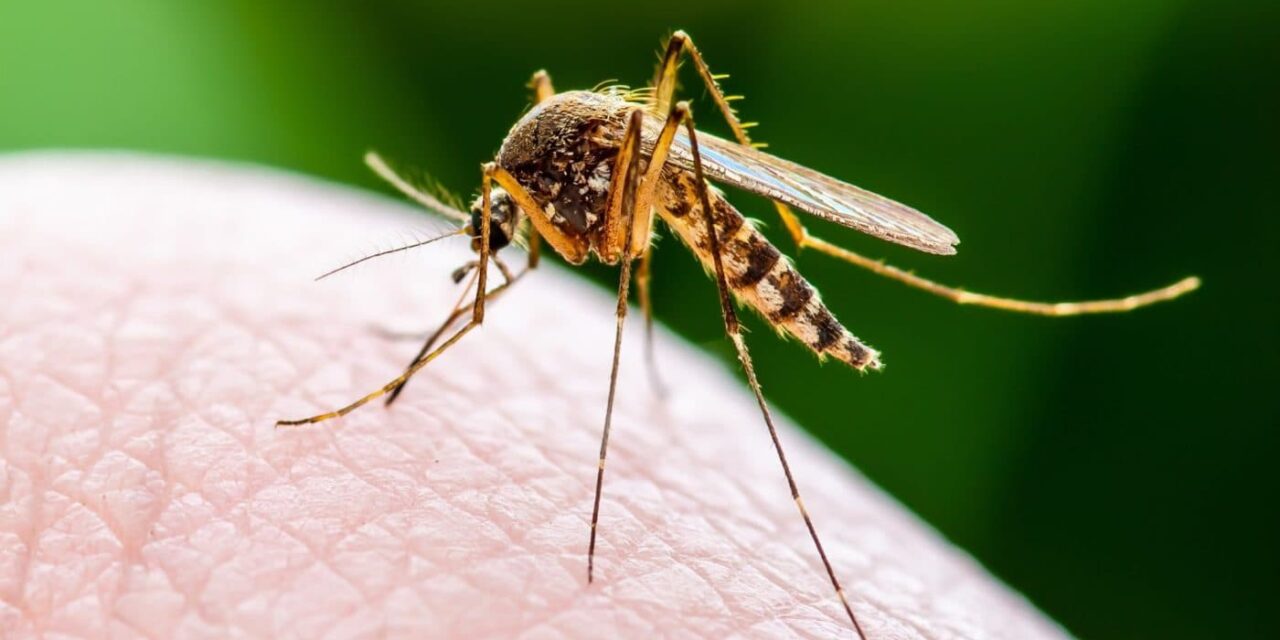
In 1897, while working in Secunderabad, India, Sir Ronald Ross made a discovery that would forever change the global fight against malaria. By identifying the malaria parasite inside the stomach of an Anopheles mosquito that had fed on an infected patient, Ross provided the first conclusive evidence that mosquitoes were the vector responsible for transmitting the disease to humans. This breakthrough dismantled the prevailing “bad air” (miasma) theory and set the stage for modern strategies to control malaria.
Ross, a British medical doctor and polymath, was born in Almora, India, and served in the Indian Medical Service for 25 years. His research not only confirmed the hypotheses of earlier scientists like Alphonse Laveran and Patrick Manson, but also laid the groundwork for targeted public health measures such as mosquito control and prevention of breeding grounds. His work earned him the Nobel Prize in Physiology or Medicine in 1902, making him the first British Nobel laureate and the first born outside Europe to receive the honor.
Ross’s discovery had immediate and far-reaching consequences. Public health campaigns began focusing on mosquito eradication, which proved highly effective in areas like the Malay Peninsula and during the construction of the Panama Canal. His mathematical modeling of disease transmission also contributed to the development of modern epidemiology.
Today, Ross’s legacy lives on in ongoing efforts to combat malaria and other vector-borne diseases. His work remains a cornerstone of tropical medicine and public health, inspiring generations of researchers and health professionals.
Disclaimer:
This article is based on widely available historical and scientific sources about Sir Ronald Ross and his contributions to malaria research. While efforts have been made to ensure accuracy, the details may not reflect the most current developments in malaria control. For the latest information, please refer to authoritative health and scientific organizations.
This article is not affiliated with or endorsed by The Hindu; it is an independent synthesis of publicly available information.