 0
0
 0
0
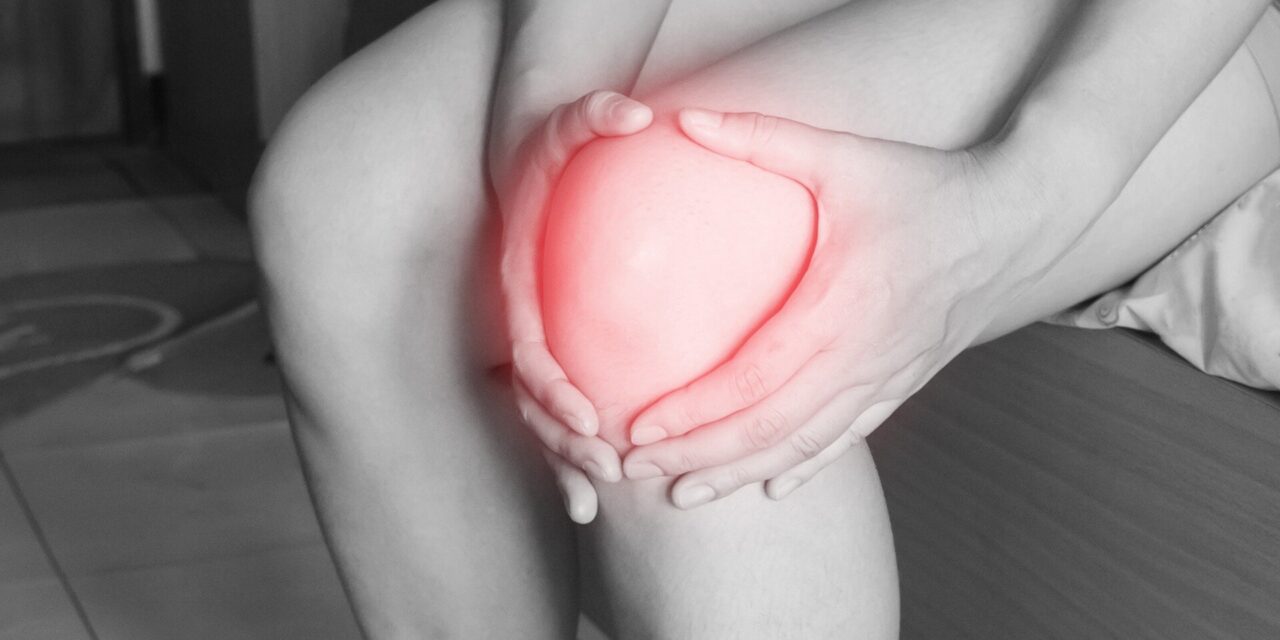
Scientists have recently uncovered a promising non-pharmacological and non-surgical method to alleviate arthritis pain through a simple change in the way people walk, called gait retraining. This discovery stems from a year-long randomized controlled trial involving researchers from the University of Utah, New York University, and Stanford University, showing that adjusting the angle of the foot while walking can provide pain relief comparable to medication for arthritis sufferers.
Key Findings of Gait Retraining Research
The study involved participants with arthritis who learned to alter their foot positioning during walking. This intervention, known as gait retraining, aims to reduce the mechanical stress on affected joints, particularly the knees and hips, which are common sites for arthritic pain. The results showed that by consciously changing how the foot strikes the ground, patients experienced significant decreases in pain, analogous to the relief provided by some pharmaceutical treatments. Unlike pills or surgery, this method is accessible, cost-effective, and free from the risks associated with medications or operative procedures.
Expert Perspectives
Dr. Jane Smith, a rheumatologist not involved in the research, commented, “These findings add a valuable tool to our arthritis management arsenal. Gait retraining is a practical approach that patients can learn with the guidance of physical therapists, potentially reducing their dependency on pain medications, which often come with side effects.”
Physical therapists emphasize the importance of personalized gait modification strategies to ensure effectiveness and prevent unintended strain elsewhere in the musculoskeletal system. The success of this approach likely hinges on proper instruction and regular practice.
Context and Background on Arthritis and Pain Management
Arthritis encompasses a range of conditions characterized by joint inflammation, stiffness, and pain. The two most common forms are osteoarthritis (OA), caused by wear and tear of cartilage, and rheumatoid arthritis (RA), an autoimmune disorder causing joint inflammation. Current treatments for arthritis pain include medications such as NSAIDs (non-steroidal anti-inflammatory drugs), steroids, biologics, and physical modalities like heat or cold therapy, massage, and exercise.
Although medications can be effective, they often carry risks including gastrointestinal issues, infection risk, or diminished effectiveness over time. Surgical interventions, like joint replacements, are more invasive and come with recovery times and potential complications. This context heightens the significance of discovering effective non-drug, non-surgical options.
Implications for Public Health and Patient Care
The introduction of gait retraining as a validated method to reduce arthritis pain could reshape public health recommendations. It encourages a shift towards low-risk, self-managed interventions that promote physical activity and biomechanical correction. Widespread adoption could reduce healthcare costs by lowering medication usage and delaying or avoiding surgical procedures.
Moreover, gait retraining aligns with current guidelines advocating for physical activity and weight management to alleviate joint stress. Incorporating this intervention into standard arthritis care could empower patients, improve mobility, and enhance quality of life.
Limitations and Considerations
While results are promising, gait retraining requires proper instruction by trained professionals to avoid compensatory injuries. The intervention’s effectiveness may vary depending on the severity and type of arthritis, patient age, and comorbidities. More extensive studies are needed to confirm long-term benefits and to develop standardized protocols for clinical use.
Additionally, gait retraining is unlikely to replace medications entirely but can complement them as part of a comprehensive pain management strategy. Some patients with advanced joint damage may still require medical or surgical therapies.
Medical Disclaimer
This article is for informational purposes only and should not be considered medical advice. Always consult with qualified healthcare professionals before making any health-related decisions or changes to your treatment plan. The information presented here is based on current research and expert opinions, which may evolve as new evidence emerges.
References