 0
0
 0
0
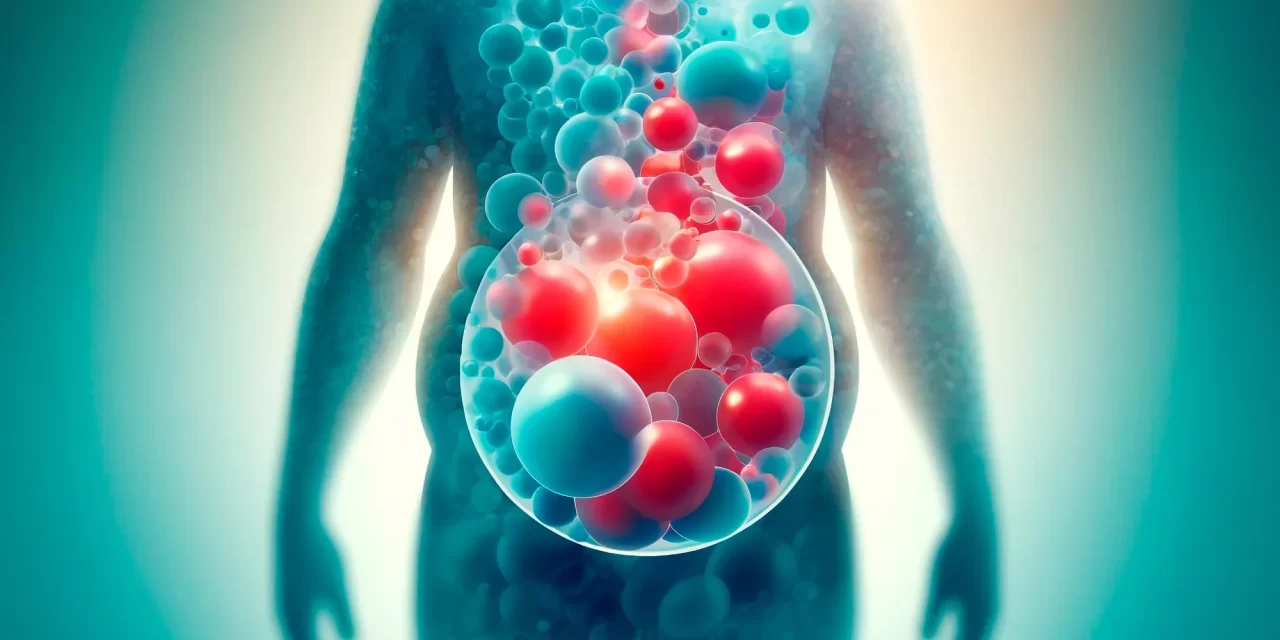
SAO PAULO/LONDON – A rapidly emerging health condition dubbed “sarcopenic obesity”—the dangerous combination of excess abdominal fat and low muscle mass—may be far deadlier than either condition alone, according to a groundbreaking new study.
The research, conducted by scientists at the Federal University of São Carlos (UFSCar) in Brazil and University College London (UCL), reveals that adults over the age of 50 with this dual condition face an 83% higher risk of death compared to those without it. The findings, published this month in the journal Aging Clinical and Experimental Research, highlight a “silent” public health crisis that often goes undiagnosed in routine check-ups.
The “Deadly Duo”: More Than Just Weight
For years, the medical community has tracked obesity (excess fat) and sarcopenia (age-related muscle loss) as separate health issues. However, the new study, which followed 5,440 participants from the English Longitudinal Study of Ageing (ELSA) over a 12-year period, confirms that when these two conditions coexist, they create a synergistic, toxic effect on the body.
“We found that the combination of abdominal fat and muscle loss increases the risk of death by 83%,” said Valdete Regina Guandalini, a professor at the Federal University of Espírito Santo (UFES) and lead author of the study.
The researchers discovered that the risk is specific to the combination. Surprisingly, the study data indicated that individuals with low muscle mass without abdominal obesity did not face the same elevated mortality risk, and those with abdominal obesity but adequate muscle mass were also not at the same level of risk. It is the specific interaction between high visceral fat and low muscle tissue that appears to drive the fatal outcomes.
The Biological “Vicious Cycle”
Why is this combination so lethal? According to the researchers, it comes down to a metabolic “vicious cycle.”
Tiago da Silva Alexandre, a professor of Gerontology at UFSCar and the study’s principal investigator, explains that excess abdominal fat does not just sit dormant; it is metabolically active tissue that releases inflammatory cytokines. This chronic inflammation accelerates muscle breakdown.
“In addition to one condition interfering with the other, fat infiltrates the muscle and takes up its space,” Guandalini noted in a statement. This phenomenon, known as myosteatosis, reduces muscle quality and function, leading to insulin resistance, metabolic disorders, and an increased likelihood of cardiovascular disease.
New Hope for Early Detection
One of the study’s most practical breakthroughs is the validation of a simple, low-cost screening method. Currently, diagnosing sarcopenic obesity often requires expensive technology like MRI or CT scans to measure body composition accurately.
However, the UFSCar/UCL team found that two simple metrics were highly effective at identifying high-risk patients:
-
Waist Circumference: Measuring abdominal obesity (>102 cm for men, >88 cm for women).
-
Estimated Lean Mass: Using a consolidated predictive equation that factors in age, sex, weight, and height.
“We proved that simple methods can be used to detect sarcopenic obesity,” said Guandalini. This finding could revolutionize primary care, allowing general practitioners to screen patients during routine visits without the need for specialist referrals or costly imaging.
Expert Perspectives and Implications
The study arrives at a critical time. Medical organizations like the European Society for Clinical Nutrition and Metabolism (ESPEN) and the European Association for the Study of Obesity (EASO) have recently pushed for a unified definition of sarcopenic obesity to improve treatment.
Dr. Alfonso Cruz-Jentoft, a leading geriatrician and expert on sarcopenia (not involved in this specific study), has previously emphasized in the European Working Group on Sarcopenia in Older People guidelines that muscle “function” is as critical as mass. This new study reinforces that view but adds the critical variable of visceral fat as a catalyst for mortality.
“This is a wake-up call for how we assess health in midlife and older age,” says Dr. Elena Rodriguez, a preventative cardiology specialist (independent commentary). “We often focus solely on the number on the scale. This research tells us we need to look at body composition. A patient might have a ‘normal’ BMI but carry dangerous belly fat and have very little muscle—a phenotype often called ‘skinny fat’—which we now know is exceptionally risky.”
Taking Action: Prevention and Treatment
The implications for public health are clear: weight loss drugs or dieting alone might not be the answer if they result in muscle loss. The “gold standard” intervention for sarcopenic obesity involves a two-pronged approach:
-
Nutritional Monitoring: Ensuring adequate protein intake to support muscle maintenance while managing caloric intake to reduce visceral fat.
-
Resistance Training: Physical exercise, specifically weight training, is essential to halt the age-related decline in muscle mass.
“Our findings allow older adults to have greater access to early interventions,” Guandalini concluded, emphasizing that early detection can lead to lifestyle changes that significantly improve quality of life and longevity.
Medical Disclaimer: This article is for informational purposes only and should not be considered medical advice. Always consult with qualified healthcare professionals before making any health-related decisions or changes to your treatment plan. The information presented here is based on current research and expert opinions, which may evolve as new evidence emerges.
References:
-
Primary Study: Guandalini, V. R., et al. (2025). “Abdominal obesity and muscle loss increase the risk of death by 83% after age 50.” Aging Clinical and Experimental Research.